
Oil Just Dumped 21% and Nobody's Cheering. That's the Right Call.
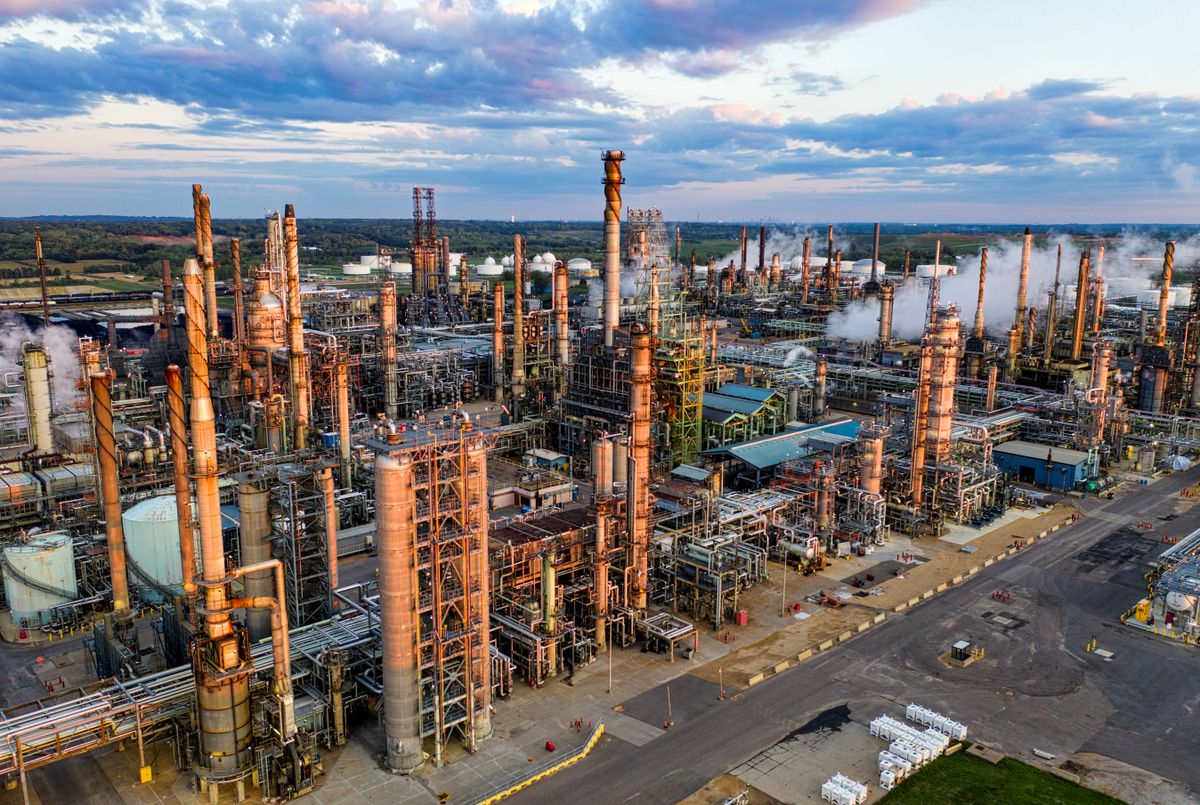
Brent crude slid from $117.45 to $92.57 in about six weeks, a 21% plunge that erased the entire Iran war premium. Stocks barely moved. Inflation hasn't budged. The market's non-celebration is telling you something important about what this drop actually means.
Brent crude went from $117.45 in late October to $92.57 on Friday. That's 21% gone in six weeks. It touched $89 earlier this month, a 2.5-month low, and the war premium that got baked into every Iran headline has been completely wiped out.
JUST IN: peace hopes are cheaper than bombs. At least in the oil pit.
The Setup
The story writes itself. Every escalation headline added a risk premium to crude. Every hint of a deal pulled it back out. Traders front-ran the geopolitics on the way up, and now they're unwinding it on the way down. Fast money, fast exit.
Normally a 21% drop in the world's most important commodity gets a victory lap from equity markets. Cheap energy is a tax cut for the entire economy. It trims airline fuel bills, trucking costs, fertilizer prices, and the cost of getting basically anything from point A to point B.
But stocks are struggling. Inflation is still stubborn. And the economic relief investors were promised has barely shown up.
So what gives?
Why Nobody's Cheering
If a 21% slide in crude isn't enough to get a bid under equities, what exactly are investors waiting for?
Here's the thing. Oil doesn't dump 21% in six weeks because the world suddenly got happier. It dumps because somebody is pricing in less demand, or because the supply side blinked. Markets know that. So they're not reading this as a stimulus. They're reading it as a warning.
The inflation math is slow, too. Cheaper crude takes months to work through CPI. Gas prices lag the futures curve. And the Fed isn't cutting rates off a two-month move in Brent, no matter how brutal the chart looks.
Then there's the energy sector itself. Every $10 off Brent is a blade in the side of shale margins. Energy was one of the few groups actually carrying the index this year. Now it's a drag on the tape instead of a support beam.
And crypto hasn't caught a bid either. Bitcoin traders love a risk-on story, but cheap oil isn't risk-on when the reason behind it's demand fear. That's the part most people miss.
My take: the market's silence is the smartest thing it's doing right now. Anyone buying energy names at $89 support is catching a falling knife with bare hands. Wait for the second test of that level. If it holds twice, then you talk about a bottom. Not before.
This changes things for the inflation debate too. If crude keeps sliding while core prices stay hot, that's not a relief story. That's stagflation math, and nobody wants to own that.
What to Watch
$89 is the number. It held twice this month. Break it, and the whole narrative flips from "war premium erased" to "demand destruction." Those are two completely different trades, and the market will reprice everything accordingly.
Watch the front-month versus six-month spread. If the curve flips deeper into contango, the physical market is telling you supply is stacking up faster than it's getting used. Watch breakevens as well. If inflation expectations stay pinned high while crude collapses, the Fed's got a real problem on its hands.
Traders are watching closely. And just like that, the cheapest oil in 2.5 months is the scariest thing on the board.
Related Articles


Explore More
Key Terms Explained
The first cryptocurrency, created in 2009 by the pseudonymous Satoshi Nakamoto.
A basic good used in commerce that's interchangeable with other goods of the same type.
A sudden, significant price drop usually caused by large sell-offs.
Ownership stake in a company, represented as shares of stock.