
Iran's Oil Minister Just Quit Days Before the Taps Run Dry
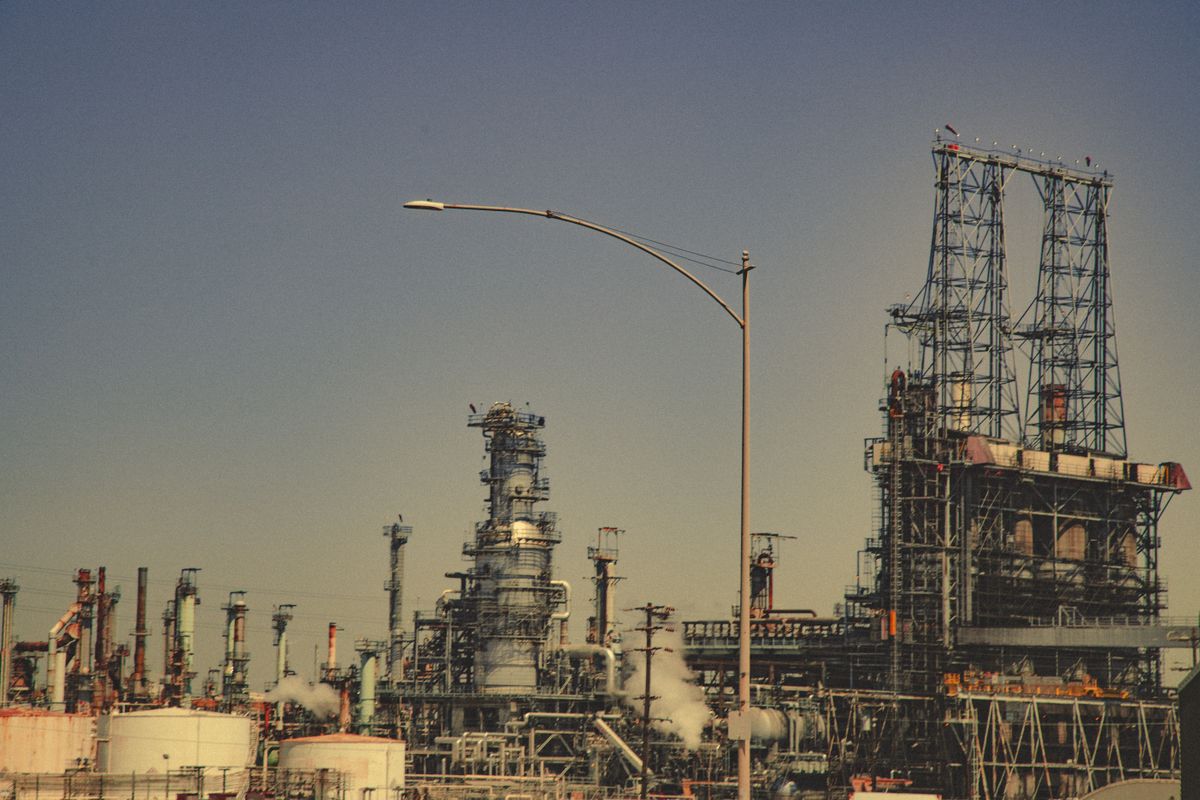
Mohsen Paknejad resigned Sunday with zero explanation from state media. Iran loaded no crude in September for the first time since 1979, and its last cargoes are gone by mid-October. So why is Brent still shrugging?
Iran's oil minister quit on Sunday. State media didn't bother explaining why.
Here's the wild part. Mohsen Paknejad was telling anyone who'd listen hours earlier that the oil money was still flowing. Except it wasn't. Iran loaded zero crude at its export terminals in September, according to Fortune. That hasn't happened since 1979.
That's a 46-year streak, snapped in a single month.
The Story
JUST IN: Tehran's last oil cargoes are on a clock. Officials expect them to run out around mid-October. After that, the country that sits on roughly 209 billion barrels of proven reserves has nothing left to ship.
No tankers loading. No revenue clearing. No explanation from the minister or the government he walked away from.
The timing is brutal. Paknejad's job was to keep the crude flowing and the cash coming. He failed at both, or he saw the wall coming and got out before impact. Either way, the resignation reads like a man who knows what October looks like.
And just like that, one of OPEC's founding members is staring at an empty export ledger.
Why Crude Isn't Panicking
This is where it gets interesting. You'd think losing a major producer's entire export flow would send Brent vertical. It hasn't. Prices are basically flat since the news broke.
Why? Because traders priced this in months ago.
Iran's barrels were already squeezed by sanctions, shadow fleets, and buyers who got nervous long before September. The market treated Iranian crude as a rounding error a while back. When supply disappears slowly, nobody flinches on the final day.
OPEC+ has spare capacity. The US is pumping near records. Guyana and Brazil keep adding barrels. The cushion is thick enough that Tehran's exit doesn't move the needle.
Here's the thing though. That cushion only holds if nothing else goes wrong. One real disruption in the Strait of Hormuz, one escalation, one tanker incident, and suddenly Iran's missing barrels matter a lot more than the market thinks right now.
The market's verdict: not a crisis. Yet.
My take? This is a slow-motion squeeze on Tehran, not a supply shock for the rest of us. The pain stays inside Iran's borders. But the resignation of a sitting oil minister with no stated reason is the kind of signal that usually means something worse is coming behind it.
Governments don't hide good news.
What to Watch
Mark the calendar. Mid-October is the real deadline. If Iran's exports genuinely hit zero and stay there, watch how quickly the silence from Tehran turns into noise.
Watch the Strait of Hormuz for any uptick in naval activity. Watch for shadow-fleet tankers going dark. And watch Brent's reaction if any other producer stumbles while Iran is offline.
Traders are watching closely. You should too.
The lesson here's simple. A country can run out of buyers long before it runs out of oil. Iran just proved it.


