
Goldman Just Put a $120 Price Tag on Oil. Here's Why Crypto Should Worry
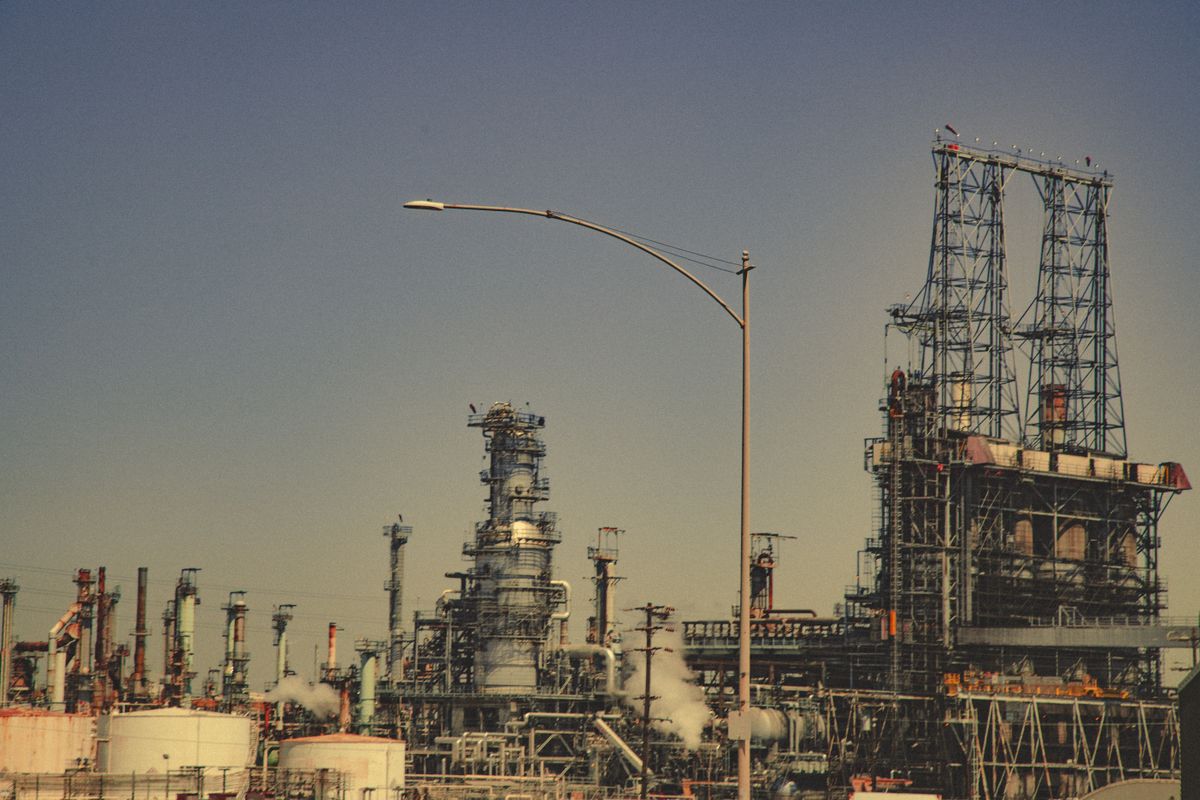
Brent crude is near $97 a barrel and Goldman Sachs says $120 is possible if the Iran standoff escalates. An oil shock like that would reignite inflation, trap the Fed, and drain the liquidity crypto's rally depends on. Here's what to watch next.
I've watched oil spikes wreck risk markets for years. So when Goldman Sachs dropped a $120 crude call on Monday, I didn't shrug it off. Neither should you.
Here's the setup. Brent crude is trading near $97 a barrel. The White House has shifted from diplomacy with Iran to a naval blockade. And Daan Struyven, Goldman's co-head of global commodities research, says $120 crude is on the table if shipping attacks broaden and intensify.
That's a potential 24% jump from current levels. Not a drill.
Inside the $120 Oil Call
Let's get granular here, because this isn't just about a number. It's about what has to break for that number to become reality.
Goldman's scenario runs straight through the Strait of Hormuz. Roughly 20% of global oil consumption moves through that chokepoint. If tankers keep getting hit, insurance premiums soar, shipping routes reroute, and the physical market tightens in a hurry.
Iran, according to reports, is weighing new tactics to widen the standoff. That's code for asymmetric responses. Think drone attacks on tankers. Think mining threats. Think anything that makes underwriters balk at Gulf voyages.
The market's verdict: it's already pricing in tension, but not full-blown war. A move to $120 would mean the blockade isn't just political theater. It's a genuine supply shock.
And here's the thing most retail traders miss. It's not just about barrels. It's about spare capacity. OPEC+ has spent years holding barrels back. The world's cushion is thin. When that buffer vanishes, prices don't creep. They jump.
The Crypto Connection
Now let's talk about why a crypto publication cares about crude oil. It's simple. Oil is the inflation canary.
Crude at $120 means gasoline prices surge. Shipping costs surge. Every physical good gets more expensive. And that means the Federal Reserve can't cut rates without reigniting inflation.
That's the brutal part for Bitcoin and the broader market. The last two years proved crypto trades like a risk asset, not an inflation hedge. When the Fed stays hawkish, liquidity drains and digital assets bleed.
So an oil shock doesn't just sting at the pump. It squeezes the exact liquidity pools that fueled the recent crypto rallies.
But there's a flip side. If the conflict escalates fast and energy goes parabolic, some traders will rotate into Bitcoin as a geopolitical hedge. It's not the base case. In a crisis, though, narratives shift fast.
What I'd Actually Do
Look, I'll be blunt. Goldman's $120 call is very achievable. The pieces are all on the board: a blockade that actually bites, Iranian retaliation that hits shipping, and a market running on razor-thin spare capacity.
The bigger question is what breaks first. Oil demand at $120? The Fed's patience? Or risk assets that have been pricing in a soft landing that crude at this level would demolish?
Watch the tanker tracking data. Watch Strait of Hormuz headlines. Watch insurance rates for Gulf shipping. Those are the real-time tells that the $120 scenario is turning from forecast into reality.
And if you're holding crypto, mind your use. Oil shocks don't send warning shots. They hit fast, they hit hard, and liquidation cascades follow right behind.
This changes things. Plan accordingly.
Related Articles


Explore More
Key Terms Explained
Coinbase's Layer 2 blockchain built on the OP Stack (Optimism's technology).
The first cryptocurrency, created in 2009 by the pseudonymous Satoshi Nakamoto.
Taking a position that offsets potential losses in another investment.
The rate at which prices rise and money loses purchasing power.