
Bitcoin's Defensive Dance: Why Traders Are Betting on $70,000 Yet Preparing for $60,000
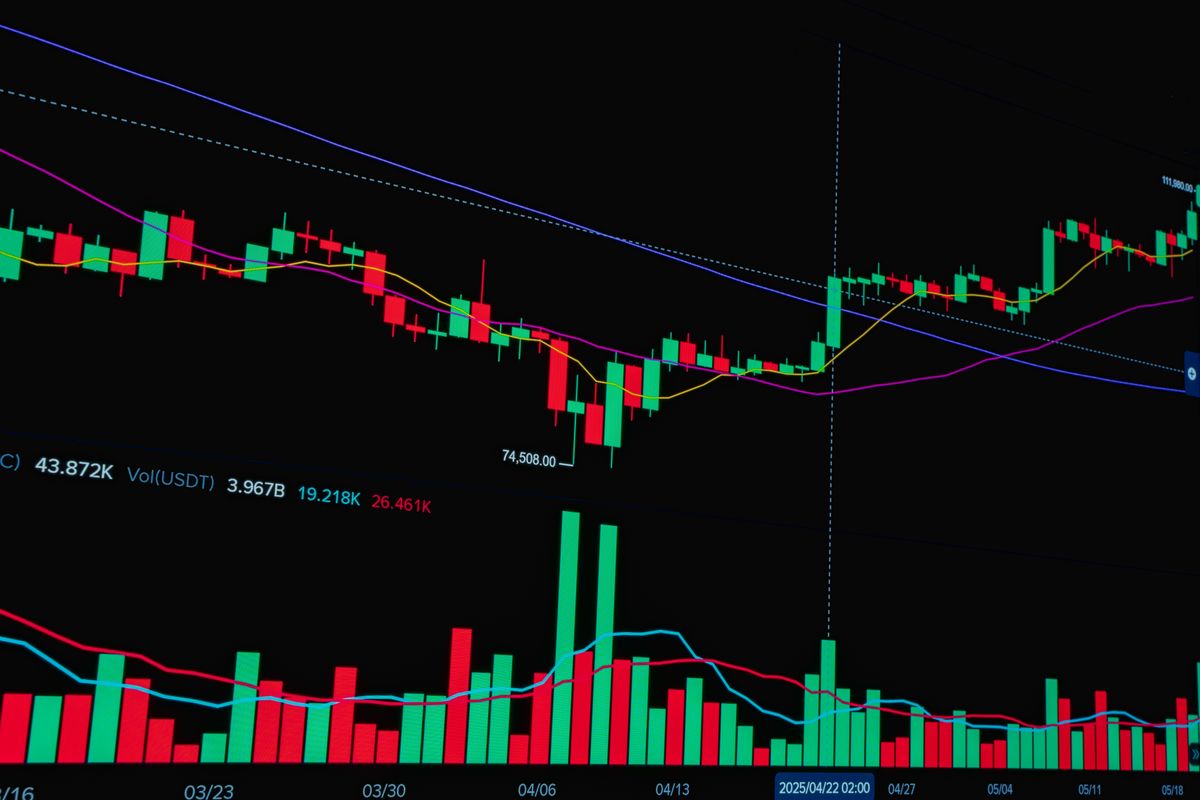
Bitcoin traders are caught between optimism and caution, rebuilding for a potential upswing while hedging against a drop. With the current market dynamics, who's really winning the crypto game?
Bitcoin traders are playing a game of high stakes, betting on a climb to $70,000 while hedging their bets against a potential slide to $60,000. It seems like a juggling act, yet it paints a picture of a market that's both hopeful and cautious. Despite recent economic signals suggesting a softer stance from the Federal Reserve, Bitcoin's price has largely remained in a narrow range, hovering around $63,270.
Data Shows Cautious Optimism
the numbers. The Consumer Price Index (CPI) showed only a 0.1% rise for July and a 3.4% increase year-over-year. Core inflation ticked up 0.2% for the month and 2.5% annually. These figures eased off from June, indicating less pressure for the Fed to tighten its financial grip. And yet, Bitcoin barely flinched, staying trapped between $63,000 and $65,000. So, why the hesitance in movement?
Traders are still defensive, their actions underscoring a split in expectations. While some are adding exposure for a possible rise to the $70,000 mark, others are cautiously maintaining protection against a dip to $60,000. It's as if the market is balancing on a tightrope, wary of falling yet eager to surge.
A Tug-of-War in Market Expectations
One might wonder, with inflation cooling, why hasn't Bitcoin soared? The muted reaction reflects broader market dynamics where interest-rate expectations shifted only slightly post-CPI release. The probability of a rate hike in September dipped from 46% to 42%, but that hardly clarifies the Fed's path. Samuel Tombs from Pantheon Macroeconomics notes that the CPI report might keep rates steady next month, yet it leaves Bitcoin hanging in limbo.
Analysts like Ryan Lee of Bitget suggest that the inflation data isn't offering a clear direction for Bitcoin. This leaves room for broader liquidity factors to play a more significant role in digital asset trajectories. Could we be over-relying on macroeconomic cues when the crypto world dances to its own beat?
Derivatives Market: A Mirror of Mixed Sentiment
In the derivatives area, what's happening tells a tale of anxiety and ambition. With about $1.1 billion in call options at the $70,000 strike and similar levels of put options at $60,000, there's a tug-of-war underway. Traders continue to buy up calls, with Laevitas noting a surge of 2,026 BTC worth of contracts aimed at September 25th's $70,000 target. But here's the kicker: downside protection remains pricier, reflecting a persistent defensive posture.
Andrei Grachev from DWF Labs highlights that puts are costlier than calls, despite the seeming confidence in a price rally. The market's in two minds, it seems, but one can't help noticing the cautious undertone amid optimism. As volatility remains relatively low, one has to ask: Is the market overpricing its fears?
The Verdict: A Market in Flux
Weighing both sides, it's apparent that Bitcoin's current state is a tight dance between fear and hope. With about 1.79 million BTC sitting close to their cost basis of $62,000 to $65,000, there's an inherent resistance as these holders watch closely. The repeated testing of $65,000 suggests this level as a psychological barrier, preventing Bitcoin from making a decisive break.
So, where do we stand? If you're in the market, brace yourself for some choppy waters. The narrative is clear: while traders are eyeing the skies, they're equally wary of the ground beneath them. Color me skeptical, but this precarious balancing act hints at more volatility ahead. The question worth asking: are current price moves driven by real optimism, or are they simply hedged bets against an uncertain economic backdrop? Time will tell, though.
Explore More
Key Terms Explained
The first cryptocurrency, created in 2009 by the pseudonymous Satoshi Nakamoto.
The original price you paid for an asset, including fees.
Financial contracts whose value is based on an underlying asset.
The rate at which prices rise and money loses purchasing power.