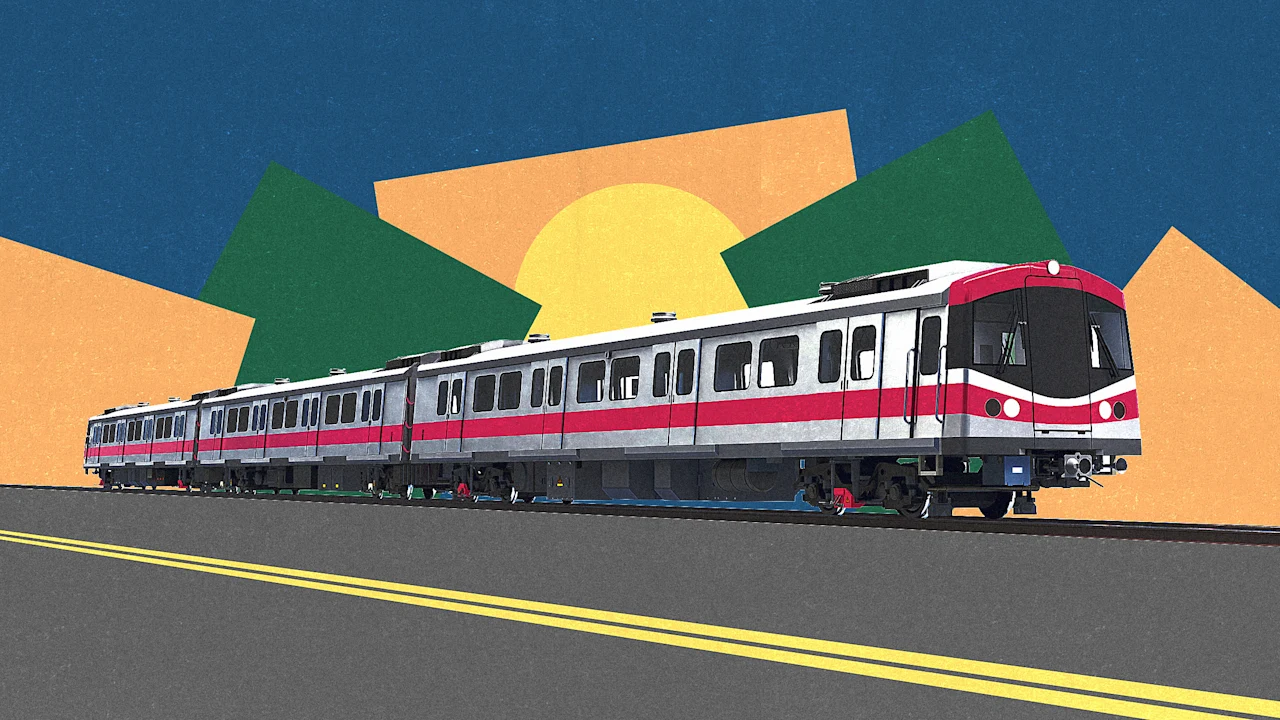
Americans Waste a Week in Traffic: Is Public Transit the Answer?
Traffic congestion is ruining commutes and draining wallets. A shift to public transit could ease the burden. Let’s explore the untapped potential of transit solutions.
Picture this: you're stuck in traffic for what feels like an eternity, the clock ticking down to your work start time. That scenario isn’t just a minor inconvenience. it’s a reality for millions of Americans. Recent data shows that the average worker loses a staggering week each year to gridlock. That’s time literally thrown away, and it’s costing us big. Commuter costs have surged 16% recently, totaling $269 billion annually. The question looms large: can public transit turn this tide?
The Hidden Cost of Congestion
Let’s break it down. Traffic isn’t just frustrating. it's a financial drain as well. The cost of sitting in traffic means more than just late arrivals. It translates into missed opportunities. Those endless hours spent behind the wheel lead to increased stress levels, with a reported 80% rise in stress and a 52% uptick in aggressive behavior among drivers. Physical pain isn’t far behind, as backaches, leg cramps, and headaches become unwelcome travel companions.
But the real kicker is that this congestion isn’t improving. Since 2019, congestion time has ballooned 10% for commuters and 19% for trucks, which means the goods we buy are also caught up in the mess. This isn't sustainable. When will we acknowledge that sitting in traffic isn’t just a minor hiccup in our day. it’s a systemic issue affecting our quality of life?
Public Transit: A Missed Opportunity?
Most drivers think public transit is meant for others, not them. That’s a common misconception. Investing in better public transit systems could actually benefit everyone, including those who prefer their cars. Just imagine a 5-10% reduction in cars on the road. That small drop could significantly ease congestion. It’s not just theory. it’s backed by urban planning models that suggest traffic doesn't increase linearly with more cars. A street can handle a certain amount of vehicles until it reaches a tipping point, where everything collapses into chaos.
Consider this: on an urban road at 90% capacity, you could see delays around 10%. By reducing traffic volume by just 5%, those delays drop to 18%. A 10% reduction means delays plummet by 35%. These aren't just numbers on a page. they’re real-time improvements that affect your daily life. If public transit can provide a legitimate alternative for some commuters, your own trips could become faster and less stressful without the need for additional lanes.
Building Momentum for Change
Relying solely on personal vehicles is a losing game. A well-planned transportation system doesn’t force anyone out of their car. it provides options. One bus can replace up to 50 cars on the road. One train? That can replace hundreds. Right now, public transit saves Americans approximately 865 million hours in traffic delays annually. Just imagine the potential if even more people opted for transit solutions.
In densely populated urban centers, the benefits multiply. Public transit can maximize road space and improve the overall flow of traffic. While it may seem like a hassle to switch modes of transportation, embracing public transit can improve not only individual commutes but also the quality of urban life as a whole.
A Call to Action
It’s time to shift the narrative. Public transit isn’t just a dusty option. it’s a lifeline. We need to advocate for better transit systems that are reliable and accessible for everyone, regardless of their commuting preferences. Cities should prioritize public transit investments, this isn’t just about convenience. it’s about enhancing our quality of life. It’s about making urban environments more livable.
As individuals, we must also change our perceptions. The more we embrace public transportation as a valid option, the more pressure we put on decision-makers to improve these systems. Imagine a world where you’re not sweating bullets over a late commute or stressed by the daily grind of traffic jams. It's within reach if we collectively push for transit solutions. The power to alleviate congestion lies in our hands, and it’s time we start recognizing the importance of public transit, not just for others but for ourselves.