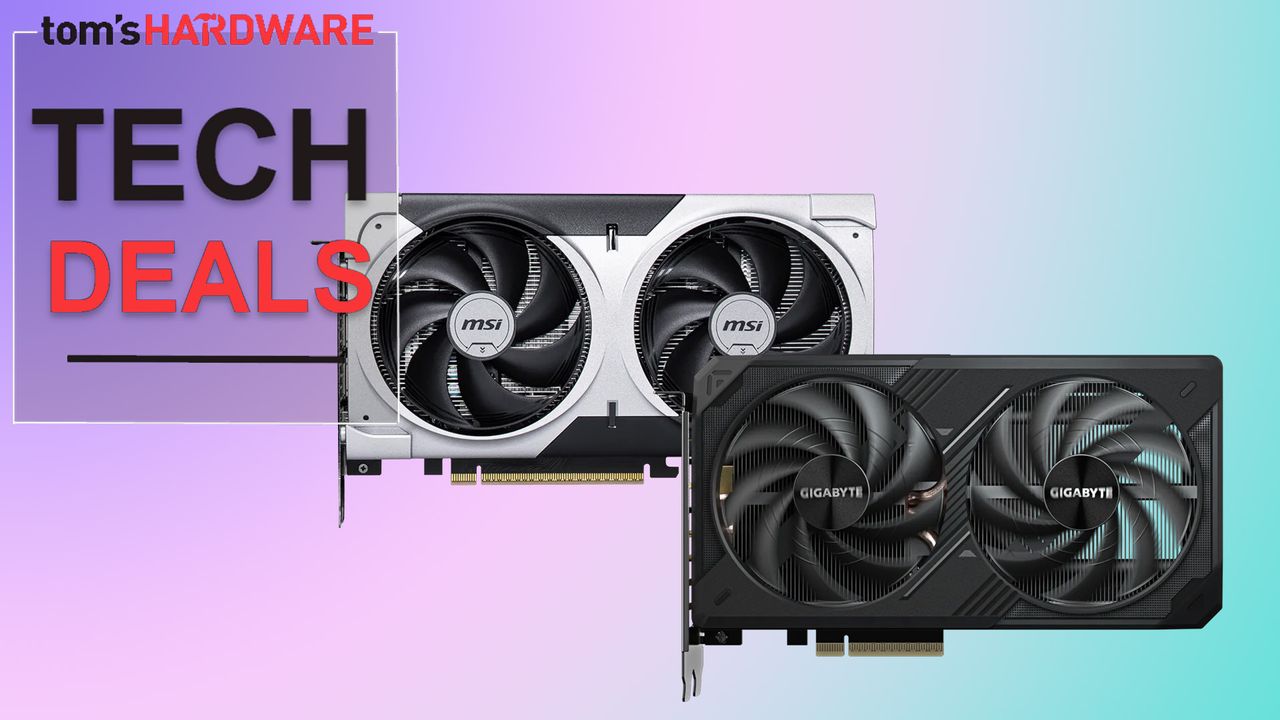
MSI and Gigabyte's RTX 5060 Ti: The Last of a Dying Breed at MSRP
In a world where graphics cards are often marked up, two models stand out for maintaining their prices. The MSI and Gigabyte RTX 5060 Ti show resilience amid chaos.
When the dust settles in the graphics card market, a few models emerge as the last bastions of sanity. The MSI GeForce RTX 5060 Ti 8G Ventus 2X OC Plus and the Gigabyte GeForce RTX 5060 Ti WindForce 8G have managed to cling to their manufacturer's suggested retail prices. As inflation and GPU shortages rage on, these cards offer a glimpse of stability in an otherwise tumultuous landscape.
Pricing Wars: A Battle of Attrition
It's hard to wrap your head around how insane GPU pricing has become over the past couple of years. Just a couple of years ago, you could find mid-range cards at reasonable prices. Now, many options come at prices inflated by 50% or more. The fact that MSI and Gigabyte’s offerings remain close to their original prices is remarkable and speaks volumes about their strategy.
MSRP on the RTX 5060 Ti models hovers around $299. While that might still sound steep compared to historical norms, it’s a refreshing sight when you consider that many other graphics cards are still being sold at exorbitant markups. This begs the question: Are these two models worth it, or is it simply a case of being the best of a bad situation?
Performance in Perspective
The RTX 5060 Ti isn't exactly the latest and greatest in the market. But it does offer respectable performance for 1080p gaming. Expect solid frame rates even in demanding titles. So, if you're mainly into esports or less graphically intense games, these cards are likely to deliver the performance you need without breaking the bank.
However, with newer architectures like the RTX 40 series pushing boundaries, is buying a 5060 Ti a wise investment? If you're aiming for 4K gaming, forget it. But for gamers who just want to play their favorite titles at decent settings, these cards still pack a punch. Their ability to remain at MSRP could indicate that they fill a essential gap in the market for budget-conscious gamers.
The Competition and Its Fallout
What about the competition? It’s clear that most brands are still struggling to keep their prices down. With many cards being resold at inflated rates, consumers feel burned when trying to upgrade their rigs. The fact that MSI and Gigabyte have managed to maintain their pricing might also signal a strategic shift in their business models. They may be betting on the eventual stabilization of supply chains and a return to normalcy in pricing.
Yet there's a dark side to this stability. If these two cards remain the only affordable options, what happens to consumers looking for alternatives? The stagnation of price points can lead to complacency among manufacturers. Why innovate if they can keep selling a card at MSRP? As a tech enthusiast, I find that concerning. Innovation shouldn’t come to a halt because a couple of cards managed to maintain their prices.
Looking Ahead: What Consumers Should Do
For those in the market for a new GPU, waiting might prove beneficial. The trend of rising prices won’t last forever. Eventually, stock will stabilize and new releases will arrive. This is likely to push down prices across the board, which means that while MSI and Gigabyte’s offerings are decent options right now, they might not be the best long-term investment.
Here’s my hot take: If you're not in a rush to upgrade, hold off. The market will adjust. By early 2024, prices should see more normalization, assuming supply chain issues continue to improve. If you're eyeing a 5060 Ti, consider tracking its price to see if it drops further. Waiting could save you some cash and potentially allow you to snag better performance in the same price range.