
Why Micron and Nvidia Are Set to Dominate the Memory and AI Chip Space
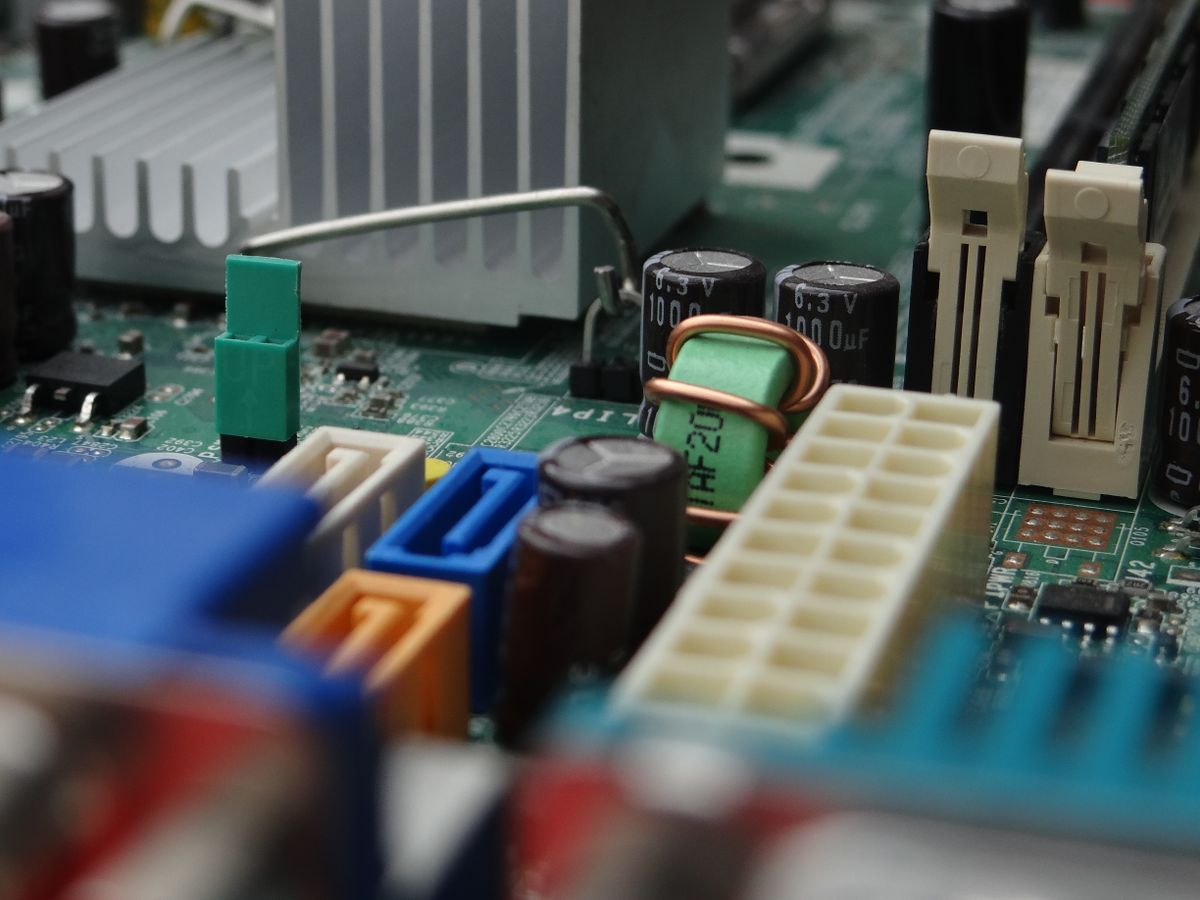
Micron's strategic partnership with Anthropic and Nvidia's dominance in AI chips signal promising revenue growth. Here's how these moves impact the crypto world.
I was chatting with a few colleagues over coffee about the usual hustle and bustle in the tech world when I noticed something intriguing about Micron and Nvidia that deserves a closer look. With all the buzz around AI and memory chips these days, these companies have positioned themselves as essential players in a rapidly growing market. But what's the real impact, especially for the crypto enthusiasts out there?
Micron's Strategic Moves and the Memory Market
Micron Technology, a name synonymous with memory products, has recently announced a strategic partnership with AI research firm Anthropic. This partnership isn't just a footnote, it's a big deal. The memory market is already experiencing a boom, with global revenue expected to hit upward of $166 billion in 2023, according to some industry predictions. In this world, aligning with a forward-thinking AI company like Anthropic marks a smart move for Micron.
This collaboration should translate into substantial revenue growth, a necessary boost as the demand for memory products continues to skyrocket. The growing need for data, driven by AI applications, makes Micron's timing impeccable. They're right at the center of the action, at a time when throughput is table stakes now. The real bottleneck here may be production capacity, as demand could dwarf supply if the market continues on its current trajectory.
Nvidia: Dominating the AI Chip Arena
Now, let's flip the coin and talk Nvidia. Known for its graphics processing units (GPUs), Nvidia has placed itself squarely at the forefront of the AI chip trade. Their products aren't just about gaming anymore, they're the workhorses powering AI applications across industries. Nvidia's GPUs are critical for training complex AI models, a necessity for companies looking to capitalize on the AI revolution.
This dominance isn't without reason. With their latest offerings, Nvidia has made chips that are both highly efficient and massively powerful. This makes them the go-to for companies involved in AI advancements. And as the cryptocurrency mining industry still remains a significant customer for Nvidia, even amidst the ebb and flow of crypto market cycles, their reach extends further than it might seem at first glance.
Implications for Crypto and Tech Enthusiasts
So, what does all this mean for those of us watching from the crypto sidelines? For one, the demand for efficient hardware and solid computational power is only going to increase. This, in turn, could make the crypto mining process more efficient, potentially lowering operational costs for miners. But will this rapid technological advancement help in making blockchain systems faster and more accessible?
On a broader scale, both Micron and Nvidia's advancements have significant implications for the tech industry. As these companies continue to innovate, they set new benchmarks that others in the industry must reach. This competitive environment often accelerates technological progress, which is ultimately a win for consumers and businesses alike.
Here's the thing: While these developments make the tech world a more exciting space, they also underscore a persistent reality, nobody cares about infrastructure until it breaks. The pressure is on for these companies to maintain high standards of production and innovation. As they push the envelope, it remains critical to watch how they manage their newfound responsibilities.
the moves by Micron and Nvidia aren't just strategic, they're essential. With their eyes set on memory and AI dominance, they're likely to drive substantial change in their respective markets. For those with a thousand dollars to invest, these stocks might be more than just a gamble, they could be a smart bet on the future of tech and crypto alike.
Explore More
Key Terms Explained
A distributed database where transactions are grouped into blocks and linked together cryptographically.
Digital money secured by cryptography and typically running on a blockchain.
Using computational power to validate transactions and create new blocks on proof-of-work blockchains.
Total income generated by a company or protocol before expenses.