
Oil Loses Its Edge as Iran and Oman Signal Hormuz Detente
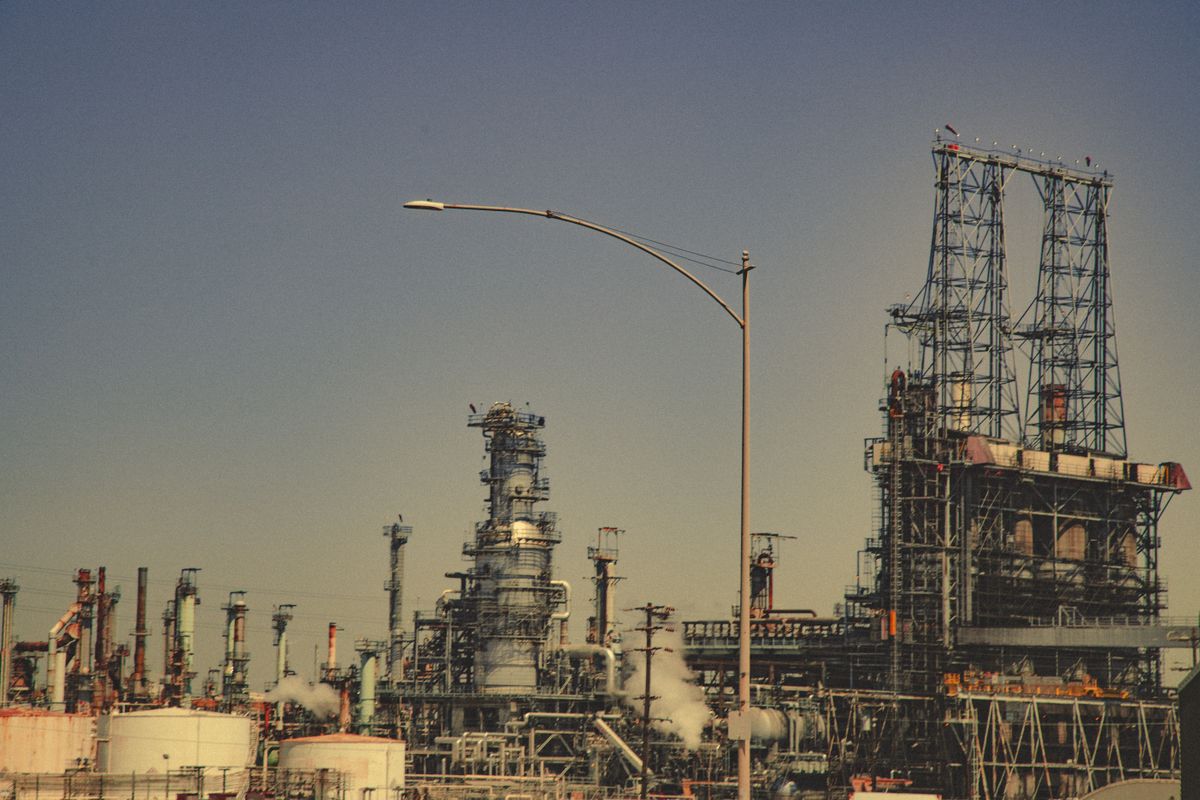
Brent and WTI fell for a second day after Iran confirmed talks with Oman on a temporary shipping corridor through the Strait of Hormuz. The market is quickly repricing geopolitical risk, but the real test is whether these talks produce anything concrete.
Oil prices took another hit on Wednesday, and the trigger wasn't a supply surge or a demand collapse. It was a diplomatic signal.
Iran said it has resumed discussions with Oman about managing a temporary shipping corridor through the Strait of Hormuz. That's enough to move crude. Brent dropped to $86.27 a barrel, while US West Texas Intermediate slid to $80.87. Both benchmarks were down about 2% on the day, adding to Tuesday's more than 3% slide.
The Timeline
Here's how we got here. Tuesday's selloff came first, and it was brutal. Traders starting unwinding positions after reports surfaced that Tehran and Muscat were back in contact. By Wednesday, the Iranian foreign ministry confirmed the talks. That confirmation removed any doubt.
So we're looking at two consecutive days of heavy losses. A two-day drop of roughly 5% for a geopolitical premium that took weeks to build. The speed of the move tells you how fragile that premium was in the first place.
Let me be clear: this is still about talks, not a signed deal. But in a market that's been on edge since early April over Hormuz closures, even the word "talks" can shift positioning.
What Just Changed
The market is now pricing out the worst-case scenario: a full closure of the strait. That's the simple version. The reality is more layered.
About 20% of global oil consumption moves through Hormuz every day. Any credible risk of disruption forces traders to bid up crude. But those same traders are quick to exit when a path to de-escalation appears. That's exactly what we're seeing.
Here's what matters: the risk premium embedded in oil is shrinking, but it hasn't vanished. A "temporary corridor" isn't a permanent solution. It's a band-aid on a deeper geopolitical wound. And frankly, I'm surprised the market is treating this as a decisive shift rather than a fragile opening.
The numbers tell the story. A 5% drawdown in 48 hours is a massive repositioning. But from a risk perspective, you've to ask: is this selloff justified by actual progress, or just by positive headlines? My answer is mixed. The talks are real, but so is the volatility.
What to Watch Next
The key question now is whether these talks produce anything concrete. Watch for specific details: a timeline for the corridor, agreed navigation rules, or an announcement from Oman's foreign ministry. Without those, this is just diplomatic noise.
Also keep an eye on OPEC+. If prices keep sliding, pressure will build on the cartel to tighten output targets. That could come as soon as their next meeting, which is expected in early June. That's the next real catalyst.
For now, the market has chosen to believe the optimistic scenario. But oil has a way of punishing complacency. A breakdown in the negotiations would send prices right back up, probably faster than they fell.
So here's my takeaway: don't chase this move. The trend is down today, but this is a headline-driven market, and headlines change quickly. Watch the Strait, watch OPEC, and respect the premium that still exists.


