
Oil Crisis Looms: African Nations Face Fuel Shortages Amid Strait of Hormuz Disruptions
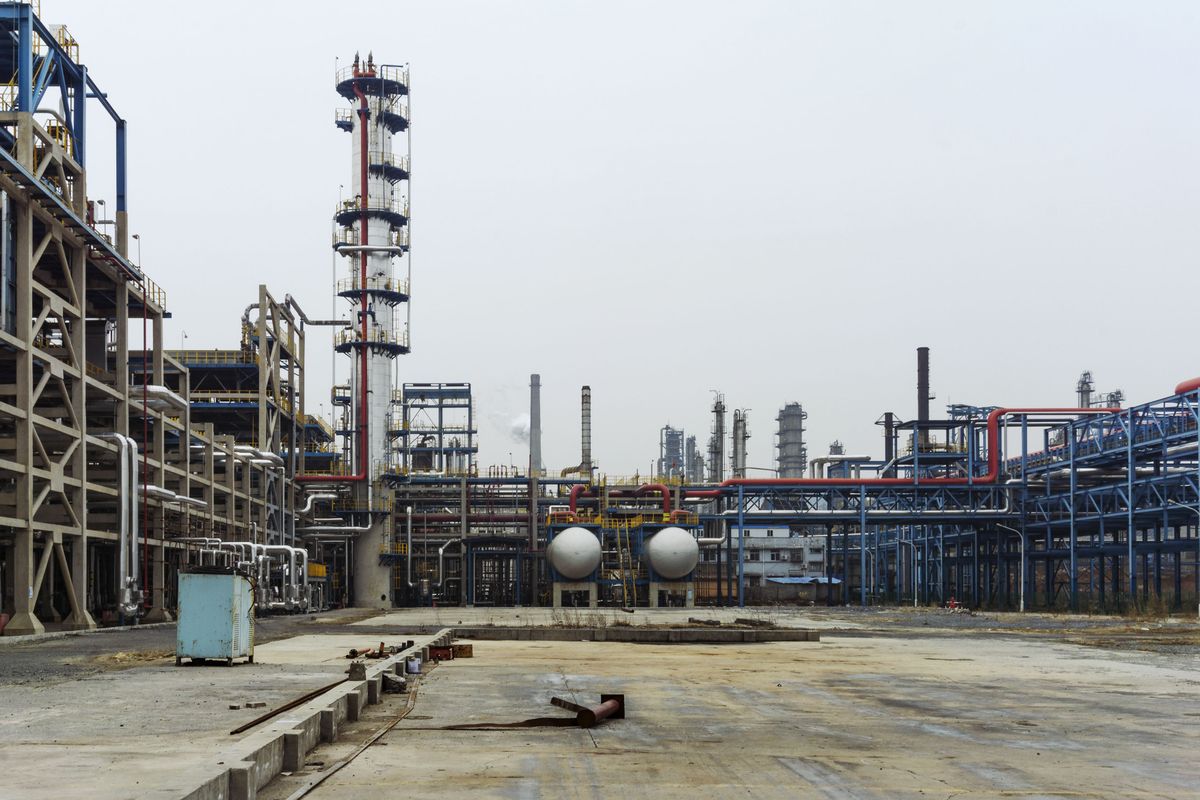
As the conflict in Iran threatens fuel supplies through the Strait of Hormuz, African countries face severe oil shortages. With wealthy nations outbidding them, the impact could ripple through global markets, affecting even the crypto sector.
What's happening with oil supplies in Africa? The answer is critical given that the situation in Iran has thrown the delicate balance of oil distribution into disarray. With the Strait of Hormuz, a vital chokepoint for global oil shipments, becoming increasingly fraught with conflict, African nations find themselves on the brink of a fuel crisis.
The Raw Data
As it stands, many African countries are staring at dwindling oil reserves that could last just weeks, not months. These nations lack the infrastructure for refining their own crude, making them reliant on foreign imports. Meanwhile, wealthier nations with deeper pockets are outbidding them for what's available, driving prices higher. The repercussions are already being felt in fuel costs, which are set to skyrocket across the continent.
Context: A Historical Perspective
Historically, the Strait of Hormuz has been a geopolitical flashpoint, but never before has its closure posed such a risk to African economies. Pull the lens back far enough and the pattern emerges. This isn't just about oil, it's a story about money. When the flow of resources is interrupted, it's always the economically vulnerable who suffer first and most.
The better analogy might be the 1973 oil crisis, when Middle Eastern oil producers halted exports to Western nations, leading to panic and rationing. Except this time, African countries are in the crosshairs, and they don't have the economic clout to compete on the open market.
Insider Perspectives
So what do industry insiders think about this unfolding crisis? Many traders are watching the situation closely, acknowledging that these disruptions could trigger a wider chain reaction. The ripple effects could extend into global supply chains and financial markets, even touching the crypto market. After all, energy prices can influence mining costs, which are a critical component of cryptocurrency valuation.
But here's the thing: not everyone sees this negatively. Some argue that this could be a wake-up call for African nations to invest in renewable energy, thereby insulating themselves from future shocks. The proof of concept is the survival, those who adapt will thrive.
What's Next?
So where does this leave us? Keep an eye on geopolitical developments in Iran, particularly any negotiations that could ease tensions. Watch for any shifts in global oil prices, which could either stabilize or exacerbate the situation.
The crypto community should also prepare for potential volatility as energy-dependent mining operations face cost fluctuations. Could this be a catalyst for greater adoption of renewable energy in crypto mining? Perhaps. But the immediate focus remains on how nations navigate this looming crisis. And as always, to enjoy crypto, you'll have to enjoy failure too.
Explore More
Key Terms Explained
Digital money secured by cryptography and typically running on a blockchain.
Using computational power to validate transactions and create new blocks on proof-of-work blockchains.
An estimate of what an asset or company is worth.
How much an asset's price fluctuates over time.