
Michael Burry's Market Calm Warning: A Red Flag Amid AI Mega-Cap Surge
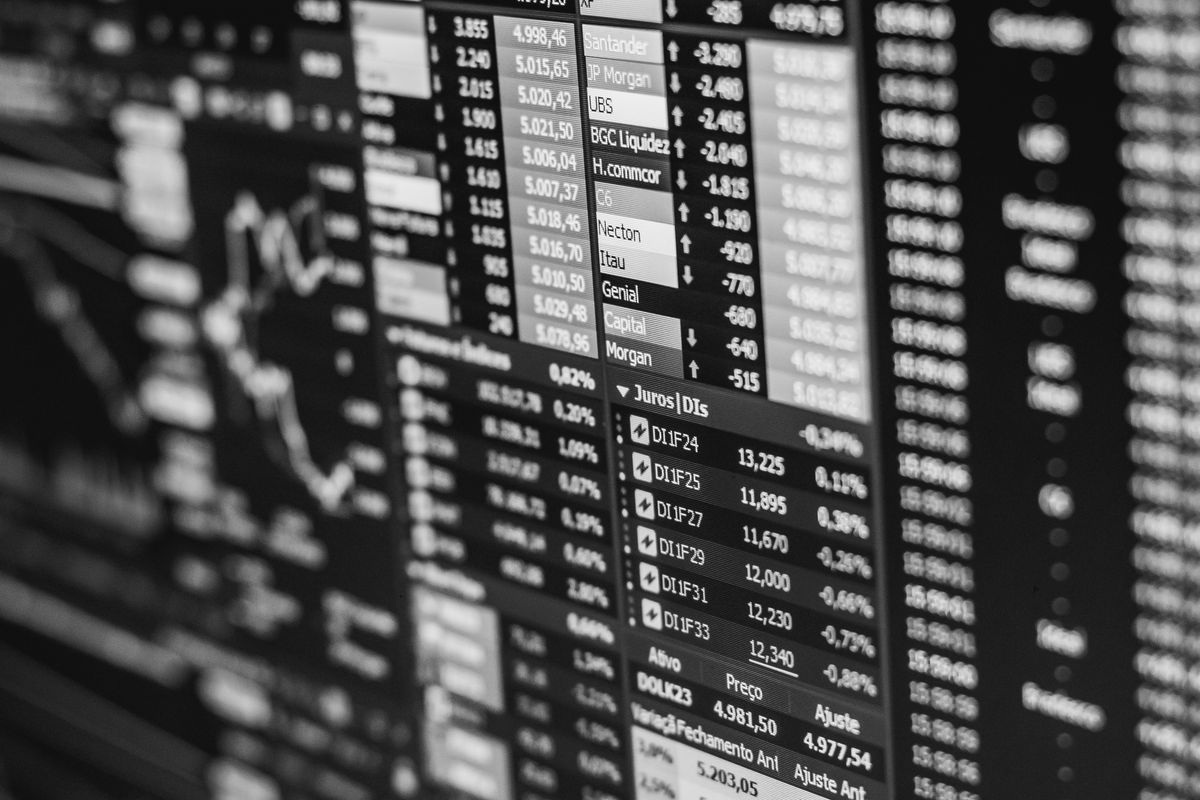
Michael Burry, famed for predicting the 2008 crash, warns that Wall Street's unusual calm is a red flag. The streak, driven by AI mega-caps, may signal looming volatility.
Michael Burry, the investor known for foreseeing the 2008 housing market collapse, is once again sounding alarms about an unusual calm in the stock market. Wall Street is experiencing its longest period without a major selloff in over thirty years, but Burry cautions this tranquility might be misleading. Driven largely by a select group of AI-linked mega-caps, the market's gains paint a precarious picture.
The Unprecedented Calm
Since November 2025, Burry has been vocal about potential market disruptions. His warnings echo as Wednesday marked the 182nd consecutive trading day without a significant drop, a streak tracked by BTIG's Jonathan Krinsky. Historically, such periods of tranquility tend to precede volatility. In a typical year, the New York Stock Exchange experiences at least five selloff days where 80% of trading volume comes from declining stocks. Yet, 2026 is on track to end without any, a first in three decades.
So, what does this mean? The current market stability is primarily buoyed by a handful of AI-related stocks. Companies like Nvidia and Micron Technology, among others, have been turning point in sustaining the market’s upward trajectory. According to two people familiar with the negotiations, passive index funds, heavily weighted with these AI names, could exacerbate market swings should any downturn occur.
What Lies Beneath the Surface?
Reading the legislative tea leaves, Burry's concerns are rooted not just in the market's surface calm but in what he perceives as underlying systemic risks. His bearish stance on companies such as Nvidia and Micron stems from their significant market influence. The question now is whether this concentrated leadership is sustainable or merely an illusion of broad market health.
And here's the thing: Burry likens the current situation to historical precedents like the 1987 crash and the dot-com bubble burst. In each case, narrow market leadership eventually faltered, leading to broader selloffs. This time, the stakes are high, with the AI sector sitting squarely in the spotlight. Investors may need to brace for a scenario where the calm shatters before these mega-caps face reality.
the use issue can't be understated. Large market cycles, as Burry points out, can take considerable time to unwind. During these periods, use is a significant peril, one that could amplify losses for investors caught in its wake. Avoiding 'someone else's folly' becomes more than just good advice. it's a survival tactic.
Implications for Crypto and Beyond
The potential ripple effects extend into the crypto space. As traditional markets exhibit precarious stability, crypto assets could experience increased volatility. For those invested in both worlds, the intersection of these market dynamics necessitates a cautious approach.
Who stands to benefit? Savvy, risk-averse investors may find opportunities as they steer clear of high use positions. Conversely, those heavily invested in AI mega-caps could face significant downsides if Burry's forecasts prove accurate.
The takeaway from this market narrative is clear: vigilance is key. While the surface appears calm, underlying currents suggest potential turbulence ahead. Investors must scrutinize not just the calm but the factors sustaining it, remaining ever-aware of the fault lines that may lead to the next big shift.