
China's $52 Billion Liquidity Boost: Why Bitcoin Didn't Budge
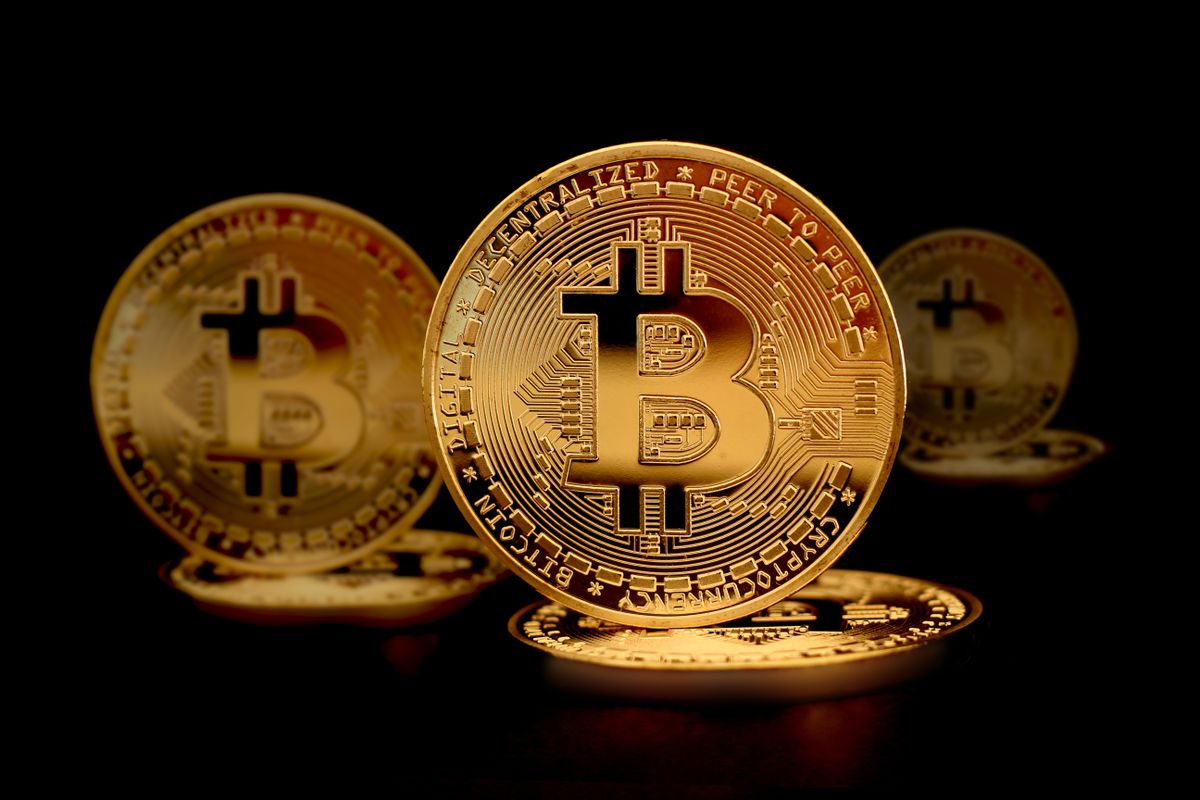
China's central bank injected $52 billion into its banking system, but Bitcoin still fell by 1.7%. With more cash infusions planned, what does this mean for crypto markets? Is the anticipated liquidity boost really what Bitcoin needs?
China's recent $52 billion liquidity injection into its banking system aimed to shake things up, but Bitcoin didn't get the memo. The cryptocurrency fell 1.7% instead. What's going on?
Massive Cash Injection, But Little Impact
On Friday, China's central bank, the People's Bank of China (PBOC), poured a net 348 billion yuan ($51.7 billion) into its financial system through overnight reverse repos. This wasn't just another day at the office, it marked the first mid-month deployment of this tool. The PBOC's plan involves three more such injections, each with a ceiling close to $88 billion.
These reverse repos act as a short-term lifeline for commercial banks, with money flowing back to the central bank the next morning. The schedule for these injections was set, with the next ones lined up from August 17 through August 19. But here's the kicker: despite this cash flood, Bitcoin fell.
Market Skepticism and Crypto Woes
Why did Bitcoin ignore the injection? The answer might lie in global bond markets. China's 10-year government bond yield dipped to 1.68%, while the U.S. equivalent hovered around 4.63%. That's a gap of about 295 basis points. Japan's bonds told a similar story, with yields at 2.87%. Rising Western borrowing costs have been squeezing risk assets all year, and Bitcoin hasn't been spared.
The recent liquidity measures haven't swayed China's monetary policy. The PBOC has been holding its benchmark lending rate at a record low of 3% since May 2025. Instead of cutting rates, they're fine-tuning liquidity. This approach might not be enough to move Bitcoin when capital controls keep Chinese money within national borders.
Is There a Silver Lining?
Despite cash injections seeming futile for Bitcoin, the impact on sentiment shouldn't be dismissed. When the PBOC first tried this tool in late June with 300 billion yuan, Bitcoin also fell. Yet, since June, Bitcoin has managed a slow rise of about 7%. The market's mood, influenced by shifts in global liquidity, can't be entirely ignored.
Traders see some hope. "The better-anchored market repo rates, with likely lessened volatility of overnight funding costs ahead, could lift conviction in carry trades in the near term," noted Jeffrey Zhang, a strategist at Credit Agricole CIB. This could mean less expensive borrowing and potentially more risk-taking, spilling over into crypto markets.
The Verdict: Waiting for Real Movement
So, does China's monetary move matter for Bitcoin? On the surface, it seems not. But don't write it off just yet. The next round of liquidity injections is right around the corner. If they manage to affect global risk appetite, the crypto market might finally see some action.
For now, the crypto market remains a wait-and-see game. Whether Chinese liquidity will provide the impetus needed to drive Bitcoin upward is uncertain. But if global funding conditions stabilize, the next few days could tell a different story.
Explore More
Key Terms Explained
The first cryptocurrency, created in 2009 by the pseudonymous Satoshi Nakamoto.
Debt securities where you lend money to a government or corporation in exchange for regular interest payments and your principal back at maturity.
Digital money secured by cryptography and typically running on a blockchain.
How easily an asset can be bought or sold without significantly affecting its price.