
AI Video Generation Market 2026: Sora Turbo, VideoPoet 2, Runway Gen-4, and the Creative Industry Disruption
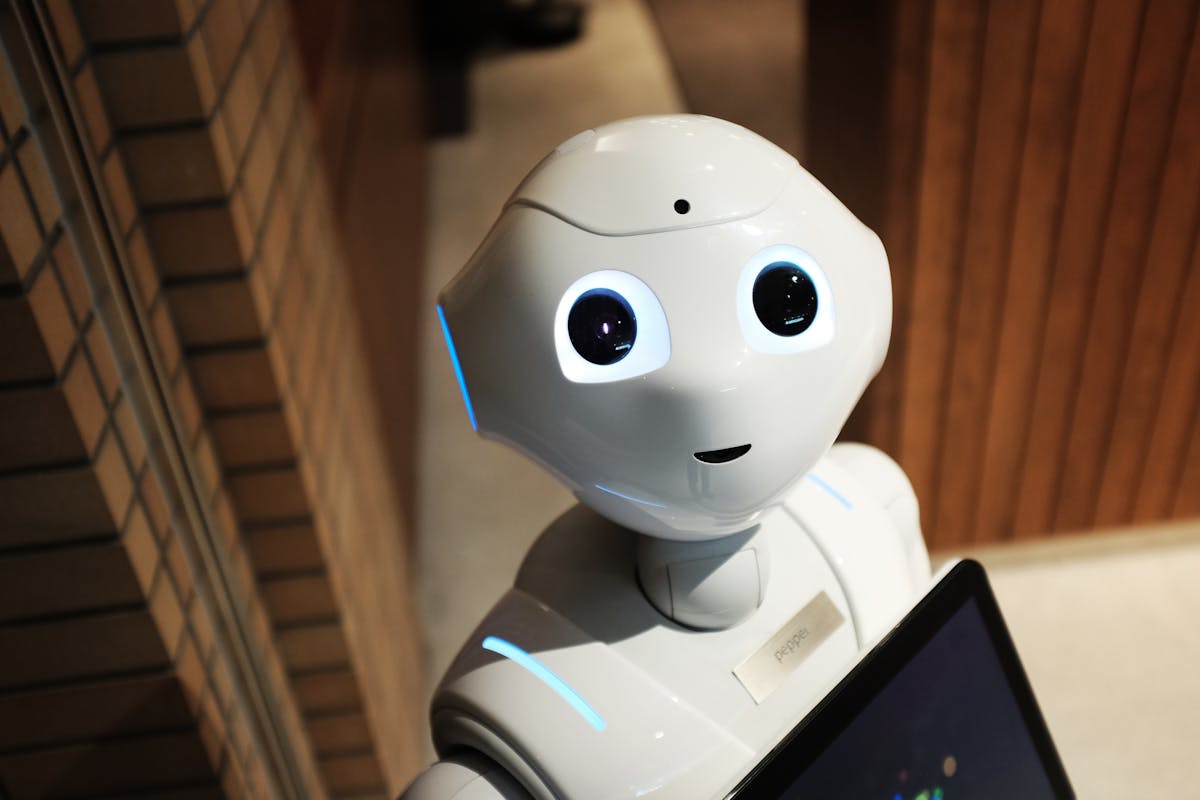
The AI video generation market went from experimental to commercial reality in 2026. Sora Turbo, Google VideoPoet 2, and Runway Gen-4 dominate with different philosophies. Market hitting $11.2B. What it means for Hollywood, advertising, and independent creators.
The AI video generation market has gone from experimental novelty to commercial reality in 2026. Three platforms dominate the conversation — OpenAI's Sora Turbo, Google's VideoPoet 2, and Runway's Gen-4 — and each represents a different philosophy about how AI should generate video, what it should cost, and who it should serve. The market is growing so fast that even the incumbents are having trouble keeping up with demand.
The State of the Market
AI video generation is no longer a curiosity. According to a June 2026 report from Gartner, the market for AI-generated video content reached $4.8 billion in 2025 and is projected to hit $11.2 billion in 2026. Advertising, social media content, and corporate communications account for the bulk of the spending. Film and television production — the industry everyone talks about — accounts for less than 8% of the market, though it's the fastest-growing segment.
The technology has improved dramatically since the 2024-era demos. The limitations that dominated early discussions — short clip lengths, inconsistent physics, character inconsistency across shots, and the dreaded "morphing" effect — have been substantially addressed. All three major platforms now support clips of 30 to 60 seconds in length with consistent characters and coherent motion physics. The gap between AI-generated video and traditionally-produced video has narrowed to the point where non-expert viewers cannot reliably distinguish between them in controlled tests.
OpenAI Sora Turbo
Sora Turbo, released in March 2026, is the most anticipated and the most capable general-purpose video generation model. It builds on the Sora platform that OpenAI launched in early 2025 and delivers roughly 3x faster generation speed, 2x the maximum clip length (60 seconds at 1080p), and significantly improved character consistency.
The technical secret is Sora Turbo's native understanding of cinematic conventions. The model understands shot composition, camera movement, lighting continuity, and basic cinematography rules as emergent properties of the training data. Prompts containing directions like "crane shot slowly descending" or "dolly zoom" produce recognizable results — not perfect executions, but recognizable interpretations of directorial intent.
Pricing is tiered. ChatGPT Pro subscribers ($200/month) get 50 Sora Turbo generations per month. Business accounts start at $500/month for 200 generations. Enterprise pricing for studios and agencies is negotiated individually — tentatively in the $0.50 to $2.00 per generated second range.
The weakness: Sora Turbo is a generalist. It produces good results across a wide range of prompts but doesn't excel at specific use cases. Professional character animation, product visualization for e-commerce, and consistent multi-scene narratives all show limitations. OpenAI's strategy is broad adoption through quality and brand — the Apple approach to AI video.
Google VideoPoet 2
Google's VideoPoet 2, released in May 2026, takes a different approach. Rather than a single general-purpose model, VideoPoet 2 is a family of specialized models optimized for specific video generation tasks.
The lineup includes:
- <<<BOLD>>>VideoPoet Edit<<<BOLDEND>>> for video-to-video editing (changing backgrounds, objects, lighting in existing footage)
- <<<BOLD>>>VideoPoet Animate<<<BOLDEND>>> for character animation and lip-sync from a single reference image
- <<<BOLD>>>VideoPoet Product<<<BOLDEND>>> for e-commerce product visualization and 360-degree rotation
- <<<BOLD>>>VideoPoet Pro<<<BOLDEND>>> for long-form, multi-scene narrative generation (up to 5 minutes)
The edit model is VideoPoet 2's killer feature. In benchmarks, VideoPoet Edit can change the background of a video clip with consistent lighting and shadows in under 30 seconds — a task that previously required rotoscoping, keying, and manual compositing by a skilled VFX artist over hours or days. Early adopters include advertising agencies using it for background replacement in product shoots, and YouTubers using it for dynamic video backgrounds.
VideoPoet 2 is priced per-use through Google Cloud's Vertex AI platform. Standard generation: $0.15 per second. Edit: $0.25 per second. Animation: $0.10 per second. Enterprise volume discounts start at 100,000 seconds per month.
The weakness: VideoPoet 2's general-purpose generation isn't as good as Sora Turbo for open-ended creative prompts. It shines when given specific, task-oriented instructions but produces less interesting results for "tell me a story" type prompts. It's a tool for professional use, not for creative exploration.
Runway Gen-4
Runway Gen-4, released in January 2026, has evolved from the company that started the generative video category. Gen-4 is the most controllable of the three major platforms, offering fine-grained control over camera motion, subject positioning, lighting, and timing.
Runway's approach is fundamentally different from OpenAI and Google. Rather than prompting with text alone, Gen-4 allows creators to upload reference images, define motion paths, set keyframes, and specify output parameters with a precision that approaches traditional 3D animation tools. The Gen-4 interface includes a timeline, layer system, and node-based compositing graph that will be familiar to any After Effects or Nuke user.
The output quality is the most consistent of the three. Gen-4 produces fewer artifacts, better lighting continuity, and more predictable character motion. It's the preferred tool for professional motion designers and social media content teams.
Pricing is subscription-based: $30/month for Pro (125 credits, roughly 25 seconds of output), $120/month for Unlimited, and custom enterprise pricing. Runway also offers a usage-based API at $0.20 per generated second.
The weakness: Gen-4 is the most expensive per-second and requires more manual input than Sora Turbo or VideoPoet 2. It's not designed for users who want to type "epic dragon battle scene" and get results. It's designed for video professionals who want a powerful AI assistant integrated into their existing workflow.
The Creative Industry Impact
The $4.8 billion market in 2025 tells a partial story. The more interesting data comes from how creative professionals are actually using these tools.
A May 2026 survey by the Visual Effects Society of 2,000 working VFX artists, editors, and motion designers found that 73% have used AI video generation tools professionally. But only 18% report that AI has replaced work that would have gone to human professionals. The more common pattern is augmentation: AI is used to generate background elements, create placeholder shots for client review, produce social media variations, and handle tedious roto and compositing tasks.
Advertising has seen the most disruption. Major agencies including WPP, Omnicom, and Publicis have all adopted AI video generation for social media and programmatic advertising creative. The economics are compelling: a 15-second social video that cost $2,000 to $5,000 to produce traditionally can be generated for under $50 in AI compute costs, with human oversight for quality control.
Film and television production remains the most resistant to AI adoption. The Writers Guild of America and SAG-AFTRA contracts, renegotiated in 2025, include specific provisions about AI use in production. Major studios are using AI for pre-visualization and concept art but have not adopted it for final-frame output in theatrical releases. The Directors Guild has taken the strongest position, requiring disclosure of any AI-generated footage in theatrical productions.
The independent creator economy has been the most transformed. AI video generation has dramatically lowered the barrier to entry for creators who previously couldn't afford animation or video production. A solo creator on YouTube can now produce animated explainers, product demos, and narrative content that would have required a team of three to five professionals two years ago.
FAQ
Q: Which AI video generator is best for professional use?
A: Runway Gen-4 for control and consistency, VideoPoet 2 for specific production tasks and editing, Sora Turbo for creative exploration. The right tool depends on the use case — most professional studios subscribe to at least two of the three.
Q: Can AI video replace traditional filmmaking?
A: Not for theatrical-level productions in 2026. The technology is excellent for short-form content (under 60 seconds), social media, advertising, and pre-visualization. Feature-length narrative films with consistent characters, locations, and lighting across scenes are beyond current AI capabilities.
Q: How much does AI video generation cost?
A: Consumer pricing ranges from $30/month (Runway Pro) to $200/month (ChatGPT Pro with 50 Sora Turbo generations). Enterprise pricing is typically $0.15 to $2.00 per generated second, depending on the model and volume.
Q: Is AI-generated video copyrighted?
A: The legal framework is unsettled. The US Copyright Office has taken a case-by-case approach, granting copyright protection when the work involves significant human creative input in selection and arrangement of AI-generated outputs. Fully autonomous AI generation without meaningful human direction is generally not copyrightable under current US Copyright Office guidance.
Related Articles



Key Terms Explained
An approval term meaning authentic, bold, or worthy of respect.
A computer running blockchain software that stores and validates transactions.
A price level where buying pressure tends to overcome selling pressure, preventing further decline.
The total amount of an asset traded in a given period.
