
AI Semiconductor Showdown: ASML and Broadcom Are Raking in Billions, But Here's Who's Really Winning
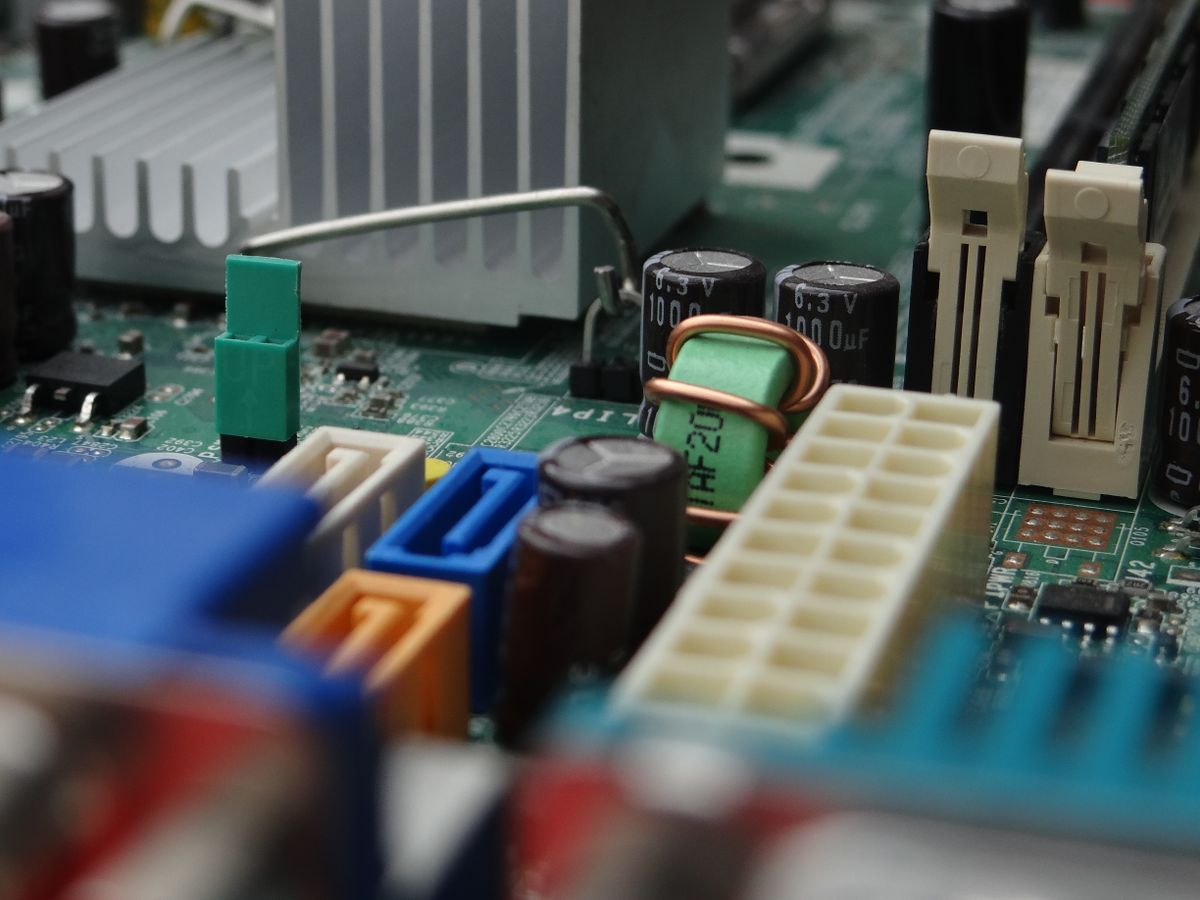
The AI boom has propelled semiconductor giants ASML and Broadcom to new heights, but what's the real story behind their valuations? We dive into the numbers and implications for the crypto world.
Welcome to the semiconductor show of the century. In the left corner, we've ASML, the titan of lithography, and in the right, Broadcom, the network silicon powerhouse. These two companies are surfing the AI wave, raking in billions. But are they worth their towering valuations?.
The Case for ASML and Broadcom
ASML isn't your average chipmaker. It's the sole manufacturer of the complex lithography machines used to produce the next-gen AI chips. In 2022 alone, ASML reported a whopping €18.6 billion in sales. Naturally, with profits like these, its stock price is soaring.
Not to be outdone, Broadcom designs critical networking silicon and custom accelerators that keep data centers humming. Its 2022 revenue hit $33.2 billion. The company is practically minting money from AI demand.
Both companies are executing beautifully. Their profits? Through the roof. But what are investors really buying at these prices? ASML's price-to-earnings ratio sits at around 34, while Broadcom's is a more modest 22. And that's where it gets interesting.
But Wait, There's a Catch
Here's the thing. While these numbers are dazzling, they're not a guaranteed slam dunk. ASML's reliance on a single, highly specialized product line could be its Achilles' heel. Any hiccup in production or innovation and the stock's high valuation could come crashing down.
As for Broadcom, its focus on networking hardware means it's deeply tied to the capricious whims of tech infrastructure investments. If companies tighten their belts, Broadcom could feel the squeeze.
The market's optimism about AI is palpable, but are we too caught up in the hype? Spare me the roadmap. We've seen tech bubbles before, and they're usually full of hot air.
Crypto's Unexpected Stake
Now, you might be wondering why this matters to crypto. Well, the hardware that powers AI also juices blockchain tech. Faster chips mean more efficient mining and transactions. But here's the kicker: ASML and Broadcom's success underscores a harsh truth for crypto enthusiasts. The future of blockchain is tethered to traditional tech giants.
And what does that mean for decentralization? It's a curiosity. As these companies consolidate power, the dream of a fully decentralized world seems a bit more like a bedtime story.
Final Verdict: Choose Wisely
So, what's the takeaway? For my money, Broadcom seems the safer bet. Its diverse product lineup and reasonable P/E ratio make it a more palatable choice in a world where tech fortunes can change overnight. ASML's brilliance is undeniable, but its narrow focus is a gamble.
Investors, particularly those with a crypto itch, should keep an eye on these semiconductor behemoths. They're the apparatus that keeps our digital dreams alive. Remember, in the circus of high finance, the house usually wins. Choose wisely.
Explore More
Key Terms Explained
A distributed database where transactions are grouped into blocks and linked together cryptographically.
Not controlled by any single entity, authority, or server.
A company's profits, typically reported quarterly.
Using computational power to validate transactions and create new blocks on proof-of-work blockchains.