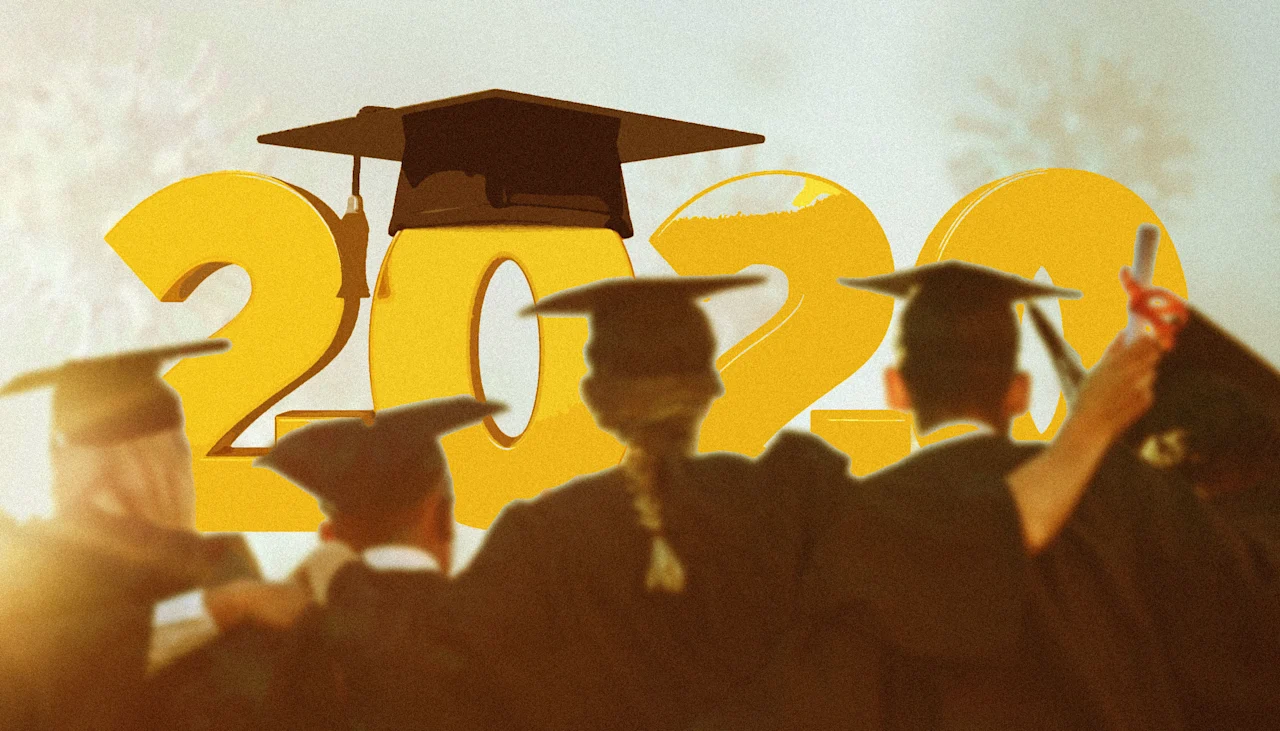
The Class of 2020: How a Pandemic Reshaped Graduations Forever
The Class of 2020 still feels the sting of lost milestones. TikTok trends reveal how this generation copes and pushes back against their canceled celebrations.
When Graduation Became a Punchline
Imagine planning for years, dreaming about that moment when you finally throw your cap in the air, only to have it snatched away by a pandemic. For the Class of 2020, that’s a reality they still grapple with. TikTok has become the digital stage where this generation isn’t just sharing their grief. they’re turning it into humor. From robbing a bank to slipping on ice, these graduates are recontextualizing their pain with the classic line, “Did you know that I didn’t get a graduation?” It’s a way to cope, yes, but it’s also a call for recognition.
This trend isn’t simply a fleeting joke. It’s become a badge of honor for a cohort that feels overlooked. It’s about reclaiming a narrative that felt stolen. And while humor can soften the blow, it’s also a reminder that many important rites of passage were denied. the memories of prom, homecoming, and graduation are now entwined with feelings of loss and frustration.
The TikTok Therapy Session
As we move through 2023, the trend hasn’t just lingered, it’s evolved. TikTok users are now layering their experiences onto popular formats, such as the glass-half-full versus half-empty debate. It’s a brilliant way to illustrate perspectives and emotions. The Class of 2020 has found their voice in this trend by adding their own take, inviting viewers to see how different life experiences shape attitudes. They’re not just victims of circumstance. they’re storytellers and influencers.
For instance, one TikTok user expressed, “I was a victim of 2020 so let me clown.” This kind of self-awareness is striking. It acknowledges their struggles while also asserting their right to joke about it. These videos are part therapy session, part social commentary. They make it clear that the Class of 2020 won’t simply fade into the background. they’re demanding attention and respect for their unique struggles.
Analyzing the Fallout
This trend is more than just entertaining content. it speaks volumes about the cultural and emotional landscape of today's youth. According to the National Center for Education Statistics, nearly 3.8 million students graduated high school in 2020. For many, the experience was a mix of Zoom ceremonies and drive-by celebrations, quite a departure from traditional experiences. As future employers look at this generation, they might notice resilience forged through adversity. But what does this mean for the job market? Companies will soon be looking to hire these graduates, and their experiences might just become a double-edged sword.
If employers don’t recognize the unique challenges faced by this group, they risk losing out on a generation that’s learned to adapt in the face of unprecedented disruption. The economic implications are substantial. Graduates from this class entered a tough job market, with unemployment rates peaking at 14.7% in April 2020. Many faced hiring freezes and delays. Their collective narrative could be a selling point for companies that value innovation and adaptability, but it also poses risks if employers are dismissive of their experiences.
A New Normal for Celebrations
Looking ahead, the Class of 2020 has undoubtedly reshaped how we think about graduations. The pandemic prompted new traditions, with virtual celebrations and socially-distant gatherings. As schools look to the future, they must balance traditional events with modern realities. Will future classes adopt elements from the Class of 2020? How will technology continue to play a role in celebrations?
What’s clear is that the Class of 2020 has set a precedent. They’ve transformed their canceled milestones into a cultural commentary that resonates beyond just their generation. This isn’t just about missing a graduation. it’s about identity and resilience. They’re not merely participants in society. they’re shaping it. The world can expect to see more from these graduates as they continue to craft their narratives, push boundaries, and redefine what it means to celebrate.