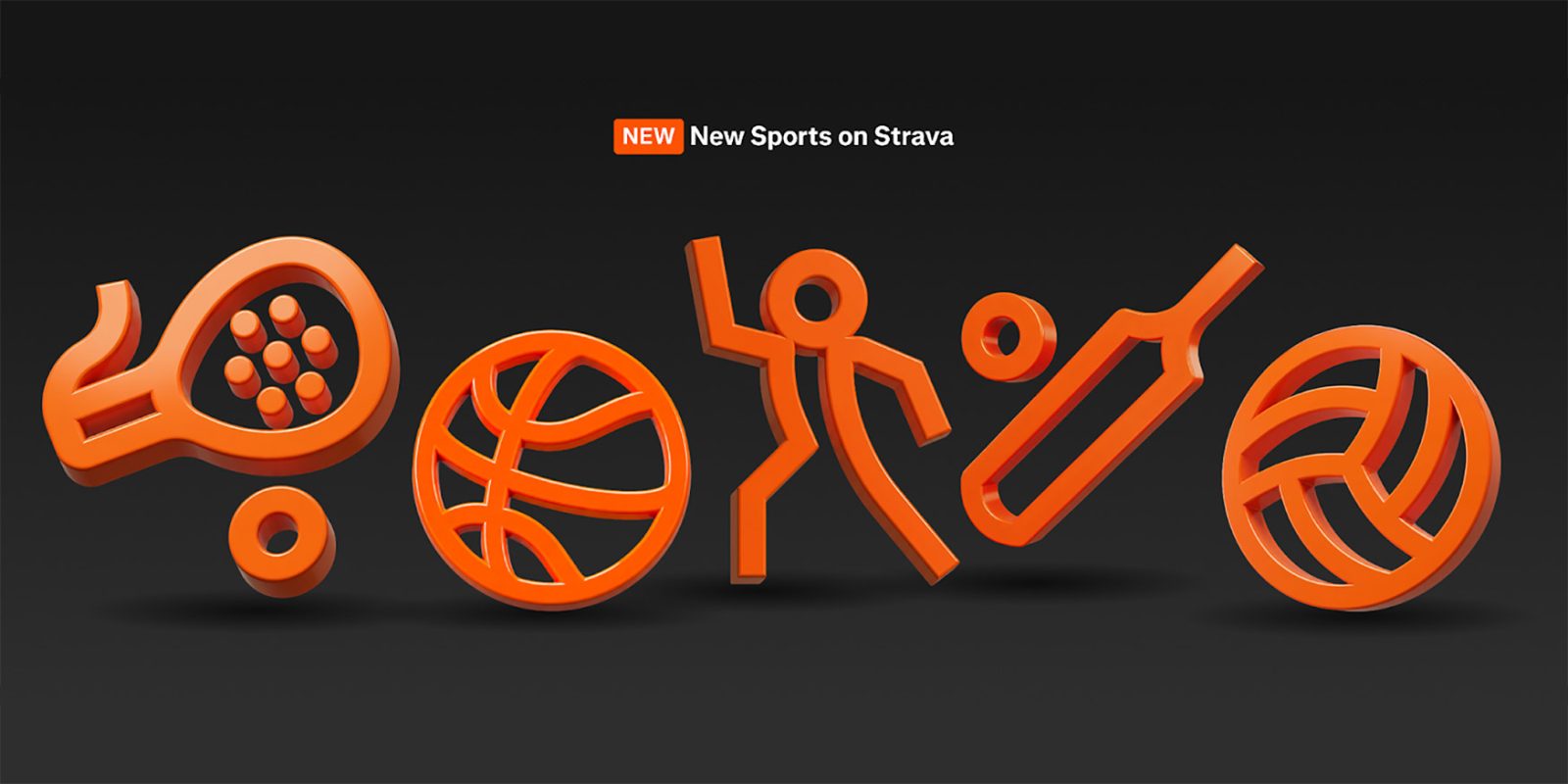
Strava Expands Horizons: Five New Activity Categories to Energize Users
Strava is adding five fresh activity categories that many users have been clamoring for. This exciting update could redefine how athletes and casual users engage with the platform.
Strava isn’t just a fitness tracker anymore. The app is evolving into a multifaceted hub for all kinds of movement. Recently, it announced the introduction of five new activity categories, including one that’s likely to make many users smile: dancing. With this expansion, Strava is aiming to cater to the evolving preferences of its community while also enhancing user engagement. After all, who doesn't want to log their salsa or hip-hop classes right alongside their runs and bike rides?
What's New in Strava's Activity Categories?
The new categories include some highly requested activities such as dancing, roller skiing, and even mountain biking. These aren’t just random additions. they reflect what users have been expressing they want. Strava has always been about tracking athletic performance, but the inclusion of dance shows that the platform is ready to embrace more varied forms of exercise. This could potentially attract a wider audience, especially those who might not identify as traditional athletes.
Dancing, for instance, has gained a significant following over the years, especially with social media trends that have made it more mainstream. By allowing users to log their dance sessions, Strava is tapping into the social aspect of fitness. People love sharing their dancing experiences, and now they can connect those moments with their fitness journeys, all under one platform.
What This Means for Strava's Future
This move could be a game-changer for Strava. With over 100 million users, the platform has a golden opportunity to broaden its appeal and attract those who might have shied away from logging their activities. Think about it: if someone can log a dance class or roller ski session, they might feel more inclined to invite friends to join and share their progress. This could lead to more engagement, increased subscriptions, and a higher likelihood of users staying active within the app.
Moreover, Strava isn't just enhancing its user experience. it's also positioning itself against competitors like MyFitnessPal and Nike Training Club, which might not offer the same level of flexibility in activity tracking. If Strava can maintain this growing trend of inclusion while also upholding its brand of serious performance tracking, it could significantly strengthen its market position.
The Winners and Losers in This Expansion
Who really benefits from these new activity categories? First off, existing Strava users stand to gain the most. They’ll appreciate the more diverse activity options. This could mean less pressure to conform to traditional exercise types. On the flip side, competitors who focus solely on conventional activities might feel the pinch. As Strava expands its offerings, they risk losing their niche audience to a platform that’s becoming increasingly attractive to a broader group.
But it’s not all rainbows and sunshine. Strava must ensure that the quality of tracking for these new activities is on par with what users expect. If the app can't accurately record performance data for dance or roller skiing, it could cause frustration and lead to backlash. Users want to see their metrics, and if Strava fails to deliver, it could lose credibility.
What's Next for Strava?
Looking ahead, Strava's latest update may just be the tip of the iceberg. As the company continues to innovate, one can’t help but wonder what other activities may become part of the platform. Will Strava incorporate yoga or martial arts in the future? The possibilities are exciting. As fitness evolves, so will the app that tracks it.
Additionally, there’s an opportunity here for community-building. With the rise of social media challenges and group classes, Strava can capitalize on this trend by fostering a sense of community among its users. Imagine being able to challenge your friends to a dance-off or compete in a roller ski race. That kind of integration could take the social aspect of fitness to a new level.
In conclusion, Strava’s latest expansion isn’t just about adding activities. It’s a signal that they’re listening, adapting, and ready to compete for the attention of every kind of mover out there. As they embrace more diverse forms of exercise, we’re likely to see a shift in the fitness tracking landscape. And let’s be real: the more ways we can celebrate movement, the better.