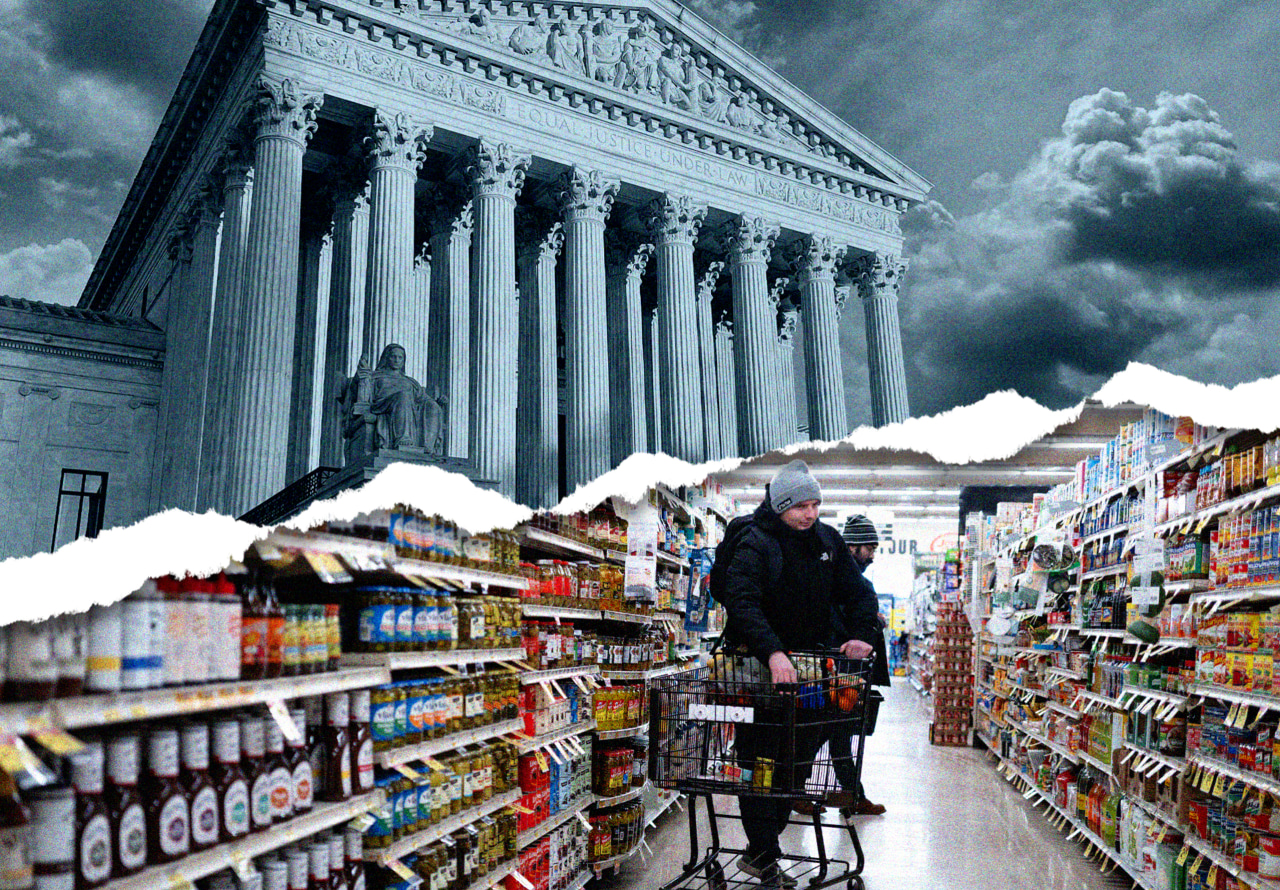
Tariff Turmoil: What the Supreme Court's Ruling Means for Your Wallet
The Supreme Court's recent decision on tariffs could change the game for consumers and businesses alike. Yet, don't expect immediate relief at the cash register.
When the Supreme Court struck down numerous tariffs imposed by Donald Trump, it did more than just upend a cornerstone of the former president's economic policies. It opened a floodgate of questions about how this will affect consumers, businesses, and the broader economy. While many might hope for price cuts on goods and services, the reality is anything but straightforward.
Consumers Caught in the Middle
For the average consumer, the promise of lower prices is enticing. Trump’s tariffs, which he claimed would protect American jobs and industries, instead resulted in increased costs for a variety of products. According to a report from the National Retail Federation, these tariffs added about $50 billion annually to consumer costs. Now that they're being rolled back, one would think prices would drop accordingly. But it's not that simple.
Retailers face a complex reality. Even with tariffs lifted, they might not immediately pass savings onto consumers. Supply chain disruptions and inflationary pressures remain significant hurdles. Many companies have adjusted their prices based on the existing market conditions, and with inflation hovering around 3.7% as of September 2023, any price adjustments could be minimal. You can expect retailers to be cautious before lowering prices, especially if their costs remain high.
Who Benefits from the Ruling?
While consumers may be left waiting for relief, businesses could find themselves in a better position. Import-heavy industries like electronics and apparel can breathe a sigh of relief. Companies such as Apple and Nike, which have often felt the sting of tariffs, will likely see improved profit margins. Apple, for instance, reports that tariffs cost them approximately $1 billion annually. With these tariffs lifted, they might avoid passing that cost onto consumers for now, or at least have more room to maneuver.
Let's not forget about small businesses, many of which struggled under the weight of increased costs. Without the tariffs, they can reinvest in their operations, hire new employees, or even lower some prices. This could foster economic growth in local communities. However, this positive outlook comes with a caveat. small businesses must still contend with rising costs in other areas, like labor and raw materials. So, the benefits may not be as pronounced as some hope.
The Economic Landscape Shifts
Economic analysts are chewing over the broader implications of this ruling. It’s not just about consumer prices. The decision signals a shift in trade policy. Markets reacted immediately, with stocks of import-heavy companies seeing a bump. Yet, uncertainty still looms. Trade policy can change with each administration, and businesses crave stability above all else. The volatility of trade relations may lead companies to hold off on future investments, which could hinder long-term growth.
Additionally, international relations may take a hit. China, a key trading partner affected by these tariffs, is watching closely. If the U.S. continues to shift its stance on trade, it could lead to complications in negotiations on other fronts, such as technology and climate change. The world is interconnected, and changes in U.S. policy can ripple outward.
Looking Ahead: What Comes Next?
As we try to make sense of this ruling, businesses and consumers alike should brace for a bumpy ride. The immediate future isn’t about fireworks and celebrations. It’s about adjusting to a new economic reality. Consumers might have to do a double-take when they see price tags. Expect some businesses to delay their price cuts, citing supply chain issues or inflationary pressures. Those hoping for a quick drop in prices will likely be disappointed.
For investors and companies, this ruling could signal a new era in U.S. trade policy. Will businesses adapt their strategies in light of evolving trade relationships? Time will tell. But one thing is clear. The Supreme Court's decision has set off a chain reaction that might lead to more profound changes in how we approach trade and tariffs.
As we move forward, it’ll be essential for both consumers and businesses to keep their eyes peeled. We might not see immediate relief, but the long-term implications could reshape the economic landscape dramatically.