Supreme Court Strikes Down Trump's Tariffs: A Win for American Consumers and Businesses
The U.S. Supreme Court's recent decision to invalidate Trump-era tariffs under the International Emergency Economic Powers Act offers significant relief for American industries. This ruling underscores the negative impact of these tariffs on the economy and consumer prices.
In a landmark ruling, the U.S. Supreme Court struck down most of the tariffs imposed by former President Trump. This decision, coming in a decisive 6-3 vote, marks a critical turning point in economic policy that could reshape the landscape for American businesses and consumers. The tariffs, initially touted as protective measures, have turned out to be more of a burden than a blessing.
Tariffs: A Misguided Approach
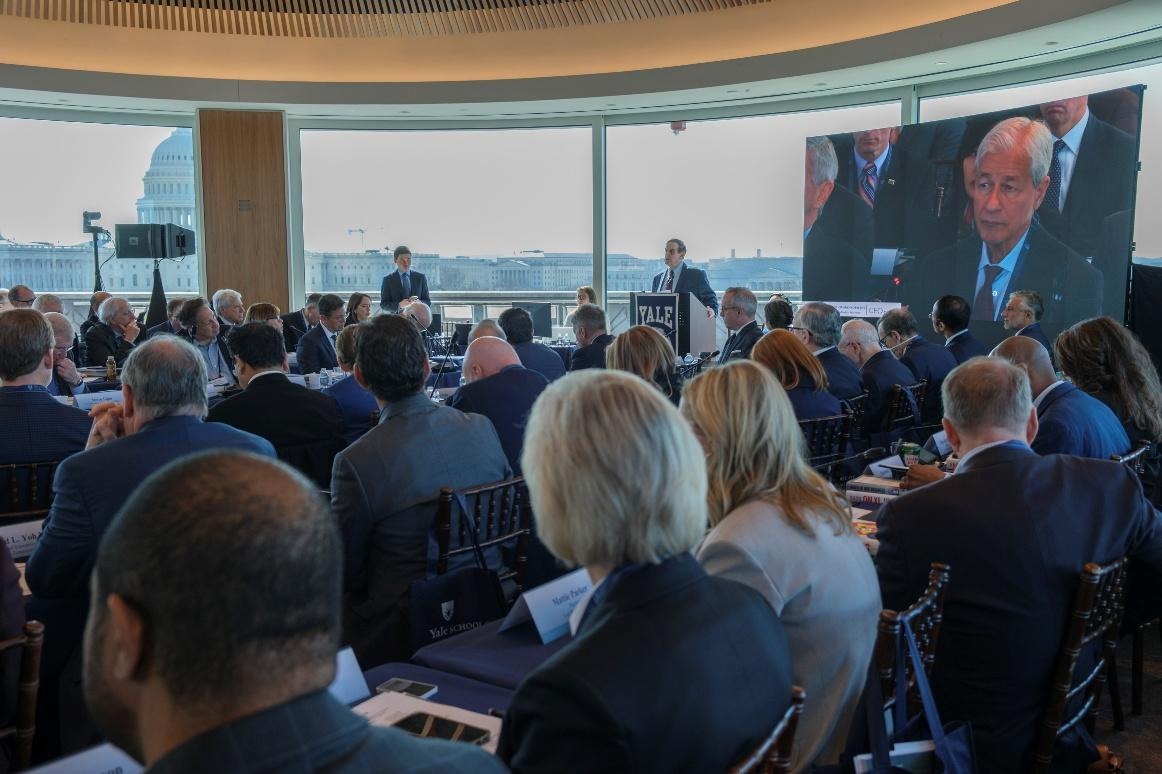
For months, many CEOs have been vocal about their discontent regarding these tariffs. They saw the protectionist measures as not only illegal under the International Emergency Economic Powers Act but also detrimental to the economy as a whole. Recent surveys indicated that 75% of prominent CEOs believe these tariffs were unlawfully enacted. When you look at the numbers, it's clear why. A staggering 80% of CEOs reported passing at least some of the tariff costs onto consumers, meaning everyday Americans have been footing the bill.
The reality is that these tariffs were never truly about protecting U.S. industries. Rather, they often acted as a tax on American consumers. A major manufacturing CEO recently pointed out that simply imposing tariffs doesn't magically shift industries back to the U.S. A balanced approach combining incentives with tariffs might have produced better outcomes. Instead, the simplistic application of tariffs has led to higher prices on everything from clothing to power tools.
Uncertainty Lingers Post-Ruling
While today’s ruling offers a sigh of relief for many, uncertainty still looms large. The Supreme Court's decision doesn't erase the looming threat of tariffs re-emerging under different circumstances. Trump’s instinct to lash out when challenged may trigger a new wave of instability for businesses. His well-documented penchant for unpredictability creates a challenging environment for planning and investment.
Even with the Court's ruling, companies are left wondering if they will face new rounds of tariffs or other punitive measures. Many CEOs expressed hesitance to invest in U.S. manufacturing and infrastructure, with about 62% stating they have no plans to increase investments despite the Supreme Court's decision. This skepticism speaks volumes about the ongoing tumultuous relationship between the government and the business world.
Who Wins and Who Loses?
American consumers stand to gain the most from the annulment of these tariffs. With prices expected to drop as businesses can source materials and products more affordably, this ruling could lead to significant cost savings. However, it remains to be seen how quickly these savings will materialize. The immediate effects might not be felt in every sector, but they will likely benefit households in the long term.
On the other hand, those industries that rely on protectionist measures may feel the pinch. Certain manufacturers might argue that the removal of tariffs exposes them to unfair competition from abroad. Yet, the broader economic argument leans toward the notion that a more open market fosters innovation and efficiency. A better environment for competition ultimately leads to more choices and lower prices for consumers.
A Forward-Looking Perspective
As we move forward, the focus should be on creating a stable economic policy environment that encourages investment and growth. Policymakers should consider measures that support domestic industries without resorting to tariffs that harm consumers. The Supreme Court's ruling signals an opportunity for a fresh look at trade policies that prioritize economic growth and consumer welfare.
The future is uncertain, especially with Trump's lingering influence on fiscal policy. The potential for renewed tariff threats could continue to stifle economic growth. Businesses need clarity, and without it, both sides of the aisle must grapple with how to stabilize the economy in a time of volatility. One thing is clear: today's ruling has opened a door for necessary discussions on trade and tariffs, and it’s up to leaders to seize this moment for the benefit of all American stakeholders.