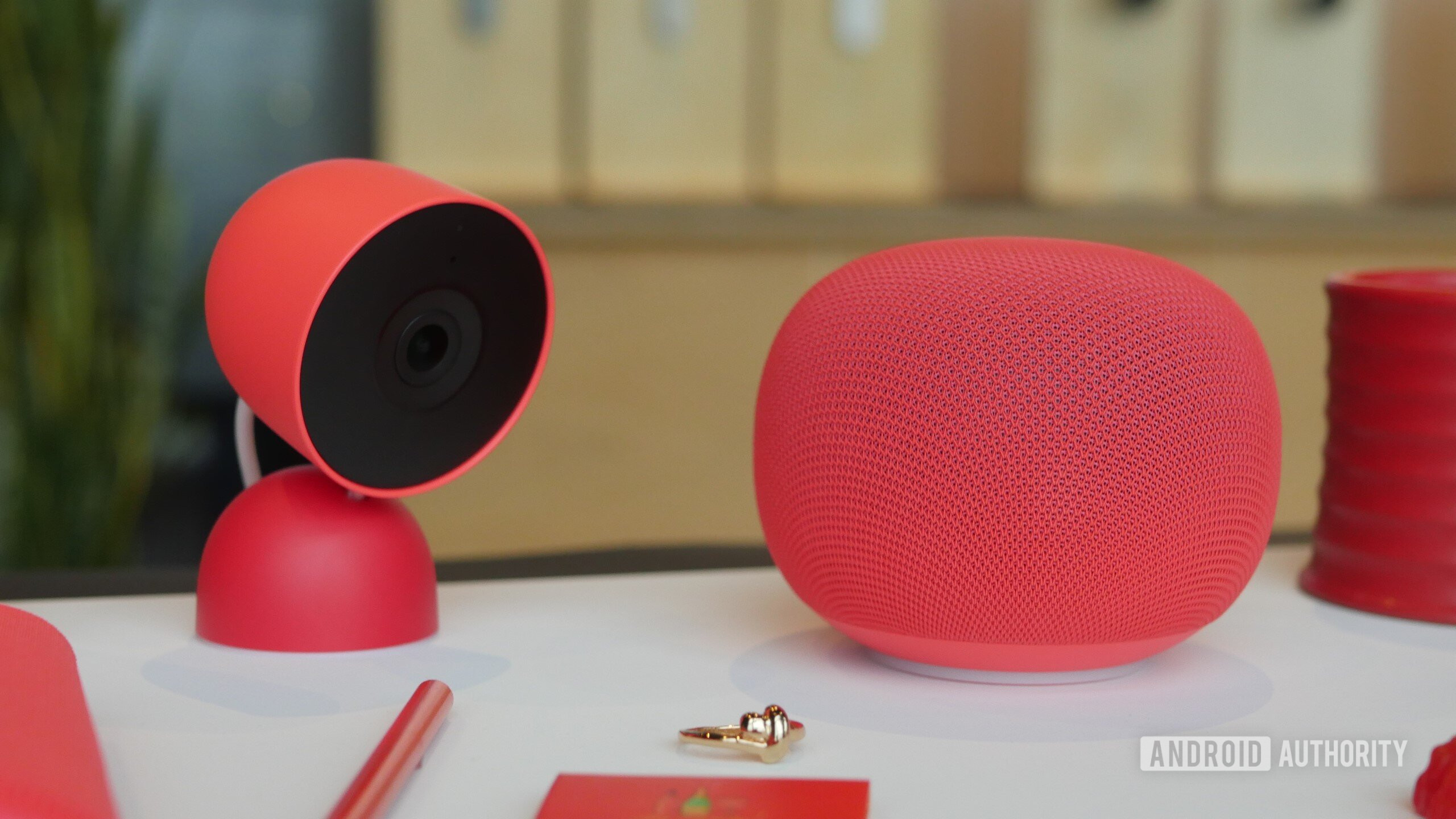
OpenAI's Hardware Ambitions: Smart Speaker Set to Shake Up the Market by 2027
OpenAI is gearing up to enter the hardware scene with a smart speaker and more. As the company invests heavily in its hardware team, it’s poised to challenge industry giants.
OpenAI, known for revolutionizing AI, is now venturing into hardware. This isn't just a minor side project. The company reportedly has over 200 employees focused on developing smart devices like glasses, lamps, and a speaker. By 2027, we could see the first product hit the market, and it’s about to get interesting.
A Sneak Peek at OpenAI's Smart Speaker
The smart speaker is one of the most anticipated products from OpenAI. Details are still emerging, but sources indicate it’ll be packed with features that stand out in an increasingly crowded market. It’s expected to include a camera that enables facial recognition and personalized interactions. The ability to recognize who’s in the room could redefine how we engage with smart speakers.
Price-wise, it’s shaping up to be a premium offering. Expect a retail price between $200 and $300. This puts it at a higher price tier than most Amazon Echo and Google Home devices, but it’ll be competing directly with the likes of Apple’s HomePod, which retails at about $299. This kind of pricing reflects OpenAI’s strategy to position itself as a high-end player in the smart home market.
Design Leadership by Jony Ive
One of the most intriguing aspects of this initiative is Jony Ive’s involvement. The former Apple design chief is known for his aesthetic sensibility and commitment to user experience. With Ive at the helm, OpenAI's hardware is likely to be as visually appealing as it is functional. Think of the Apple ethos combined with advanced AI capabilities. This could attract consumers who value design as much as performance.
The strong design focus might also use OpenAI’s existing software advantages. Integrating sophisticated AI into sleek hardware could create a compelling product. If OpenAI can pull this off, it won't just be a speaker, but a lifestyle product that fits seamlessly into modern living.
Market Impact: Who Wins, Who Loses?
OpenAI’s entry into the smart speaker space isn’t just a new product launch. it’s a potential shake-up for established players. Amazon, Google, and Apple have dominated this sector, but they might not see OpenAI coming. If the product delivers on its promises, it could pull a significant market share from the incumbents.
Consumers could win big here. Increased competition often means better products and pricing. With OpenAI stepping into the fray, we may witness innovation that pushes existing companies to enhance their offerings. Imagine smarter speakers that integrate AI in ways we haven’t thought of yet. However, the traditional players won’t sit back quietly. Expect them to ramp up efforts to retain their customers.
The Future Looks Bright, But Risks Loom
OpenAI's hardware plans present a thrilling future, but there are risks involved. The tech landscape is notoriously fickle. Just because a company excels in software doesn’t guarantee its hardware will succeed. It’s a different beast altogether, requiring not just innovation but also manufacturing and supply chain expertise.
Then there’s the challenge of brand trust. OpenAI needs to build credibility in the hardware world. People may love ChatGPT, but will they trust a smart speaker from the same company? Gaining that trust might take time and effort. A botched launch could set them back significantly.
The ambition is commendable, but it won’t be easy. OpenAI has a reputation for pushing boundaries, and their approach to hardware could redefine what we expect from smart devices. If they can deliver, they might just change the way we think about AI in our homes.