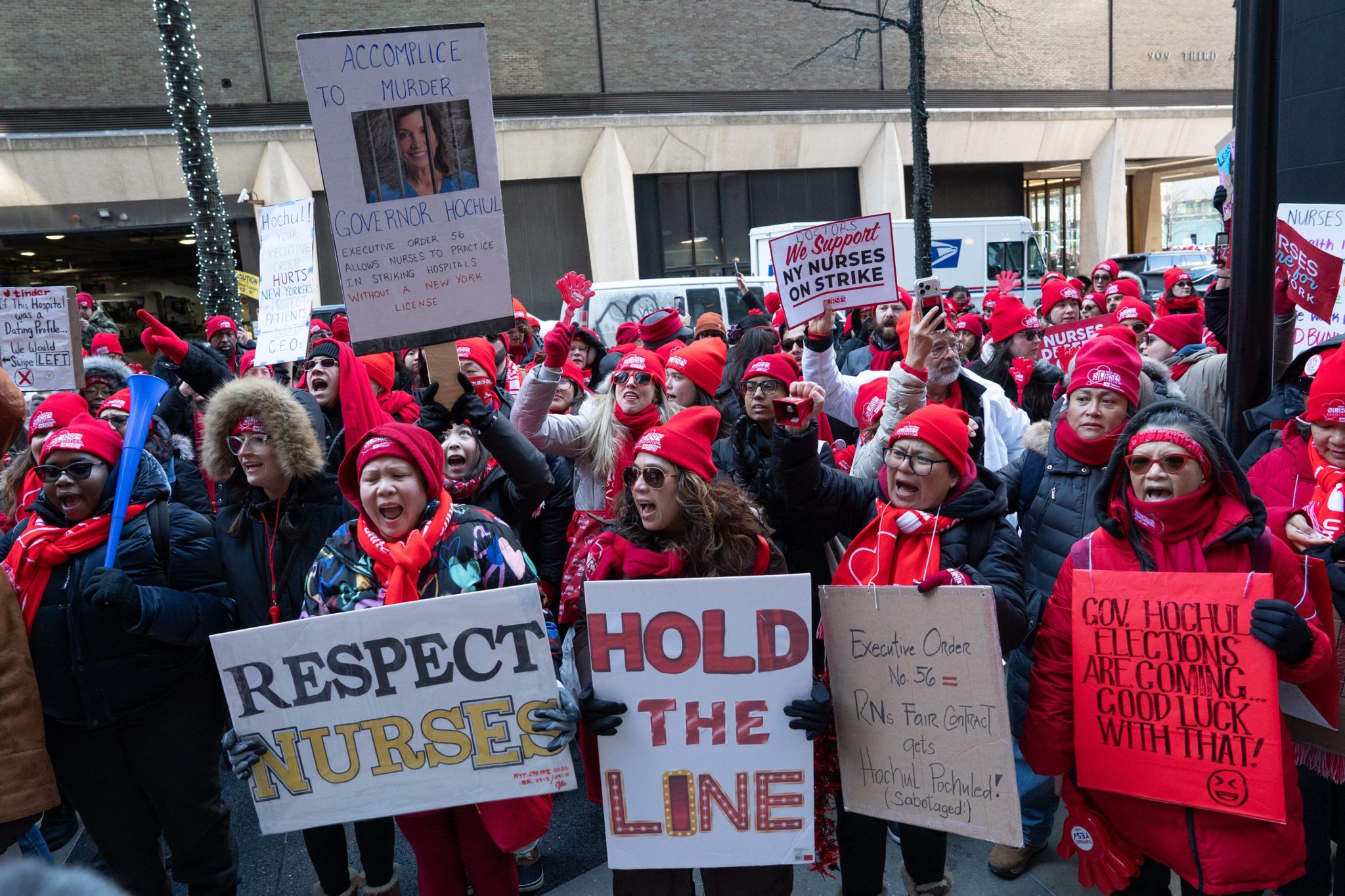
New York Nurses Strike: A Win for Patient Care Amid Bitter Negotiations
After a historic strike, New York-Presbyterian nurses secure a tentative contract with significant raises and protections against AI. This victory reshapes the landscape for healthcare workers.
The winds of change are sweeping through New York City's healthcare system. Nurses at NewYork-Presbyterian hospital have reached a tentative contract agreement after one of the largest and longest nursing strikes in the city's history. Over 4,000 nurses fought for their rights, and it appears they may finally be seeing the fruits of their labor.
Details of the Tentative Agreement
Details of the proposed contract include substantial pay raises of over 12% spread across three years, enhancements to staffing levels, and new protections regarding the use of artificial intelligence in patient care. This is groundbreaking, especially with AI becoming a more significant part of hospital operations. For nurses, ensuring that AI doesn't compromise patient care is a win in itself.
The union is expected to hold a vote on the contract this weekend. If ratified, nurses will return to their posts, marking the end of a strike that began on January 12. The initial strike involved not just NewYork-Presbyterian but also Mount Sinai and Montefiore hospitals, with a staggering 10,500 nurses from the latter two already ratifying similar contracts. This coordination among hospitals illustrates a united front among nursing professionals, a move that could reshape future negotiations.
The Impact of the Strike
During the strike, nurses braved harsh winter conditions, demonstrating unwavering commitment to their patients. Nancy Hagans, President of the New York State Nurses Association, emphasized how this action showcased the power and dedication of nurses. The struggle was not just for better pay but a fight for staffing levels that truly allow for quality patient care.
While hospitals employed temporary staff to fill the gaps, the decision raised significant concerns. Vulnerable patients often faced subpar care during flu season, which put additional pressure on those hospitals to rectify the situation. Critics argue that hiring temporary nurses is a band-aid solution that doesn't solve the root issues, particularly when it comes to staffing shortages and workload burdens on permanent employees.
Who Wins and Who Loses?
This agreement, if ratified, appears to be a victory for nurses, but what does it mean for the hospitals? On one hand, NewYork-Presbyterian has expressed satisfaction with the tentative deal, claiming it reflects respect for their nurses. On the other hand, hospital administrators face the challenge of balancing budgets while accommodating rising labor costs.
Executives at hospitals may not have the luxury of raising prices to cover these increases, particularly in a post-pandemic world where many patients are still wary of the healthcare system. There’s potential for a ripple effect across the healthcare landscape as nurses at other institutions could demand similar concessions. If other hospitals do not follow suit, they risk losing staff to competitors who prioritize better working conditions.
Looking Ahead
This tentative agreement represents more than just a contract. It signals a shift in the balance of power between healthcare workers and hospital management. As negotiations become more contentious and public awareness of such issues grows, nurses may find themselves at the forefront of broader labor movements across various industries.
The fight for better wages, safer working conditions, and enhanced patient care is far from over. Nurses are asserting themselves as indispensable assets in the healthcare system. They’re not just caregivers. they’re advocates for patient safety and their own rights. With the backing of strong unions and a public that increasingly recognizes their struggles, the healthcare industry could undergo significant reform in the coming years. Change is on the horizon, and it could very well transform how healthcare is delivered in America.