Lenovo's Modular AI PC Concept: A Glimpse into the Future or Just a Gimmick?
Lenovo's new modular AI PC concept at MWC 2026 challenges traditional computing models. As the tech world speculates on its impact, questions about practicality and market readiness arise.
Walking through the sprawling halls of the MWC 2026, something unusual caught my eye. It wasn't just another flashy gadget vying for attention. This was Lenovo's new modular AI PC concept, a fascinating blend of creativity and ambition. It stood out, not because of its sleek design, but because of the possibilities it hints at. Is this the future of computing?
Breaking Down the Modular Magic
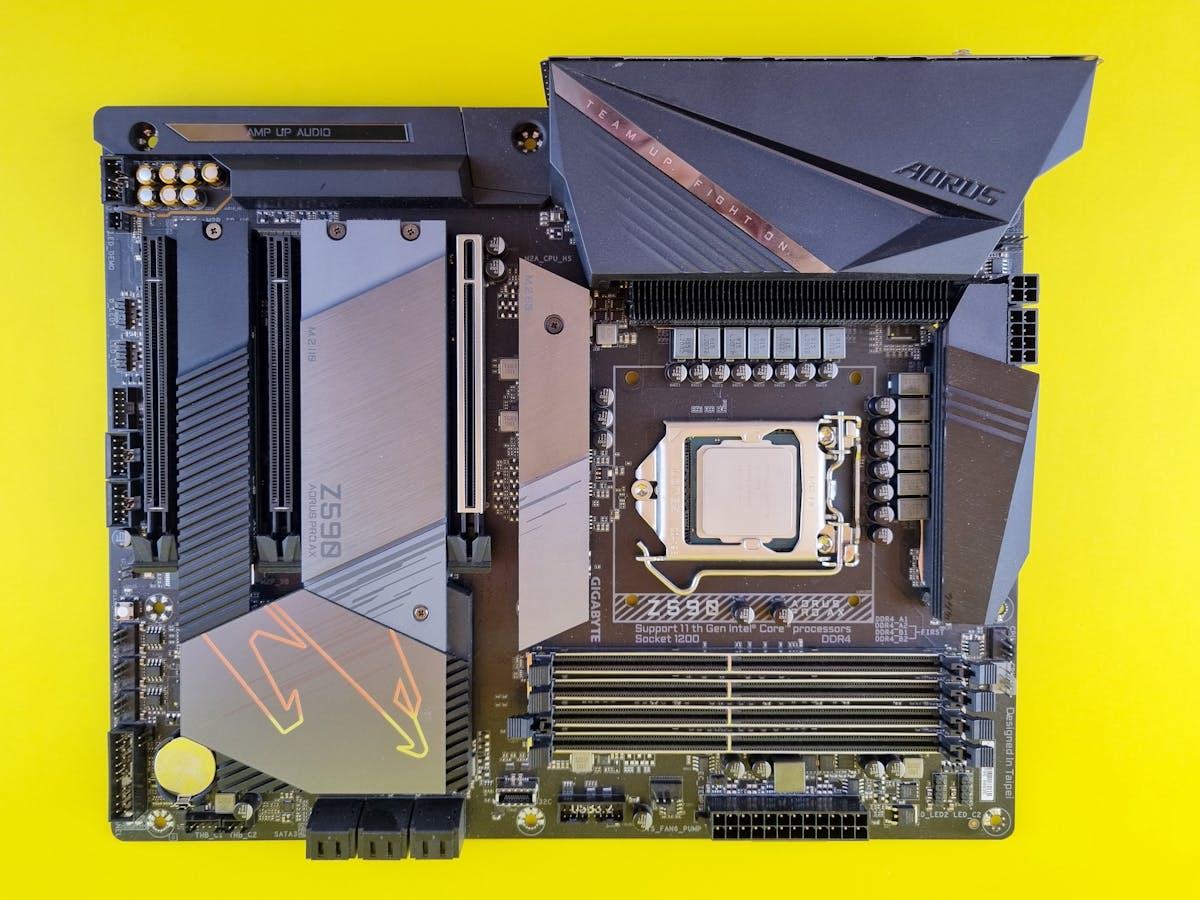
Lenovo's concept isn't merely about slapping AI onto a PC and calling it a day. This modular AI PC aims to redefine flexibility and adaptability in personal computing. Imagine a system where components aren't locked in a rigid setup but can evolve based on your needs. Need more processing power? Just add it. Want AI capabilities that can handle more complex tasks? Upgrade it. It's like Lego for tech enthusiasts.
The mechanics of this concept hinge on interchangeable modules that can be swapped or upgraded without replacing the entire machine. This not only extends the device's lifespan but could significantly reduce electronic waste. It's an clever approach that challenges the planned obsolescence model prevalent in today's tech industry. But here's the thing, is the market truly ready for such a framework shift?
Implications for the Tech and Crypto Worlds
This concept isn't just a tech industry touchpoint. It ripples out, especially into sectors like cryptocurrency mining and AI development. For the crypto community, a modular PC could mean more accessible and scalable mining operations. The ability to upgrade processing power as needed could lower the cost barrier for entry into mining, potentially decentralizing the process even further.
But there's a flip side. While exciting, the practical implementation of such a system depends on several factors, including software compatibility and user education. Professional traders might see this as an opportunity to optimize their setups for algorithmic trading or crypto analysis. Yet, how many are willing to transition from traditional setups to something so radically different?
Consider the retail market dynamics. Will everyday users embrace a system that requires more technical knowledge? Or will it remain a niche product for enthusiasts and professionals who are effectively betting on the future of modular computing?
The Real Takeaway
So, what's a savvy consumer to make of all this? The skew tells a different story. Lenovo's concept highlights a potential future of modular systems, but it also current limitations of such innovations. For many, the cost basis and learning curve might not justify the transition just yet.
However, for those willing to embrace change, this could be an exciting new frontier. Companies like Lenovo are pushing the boundaries, and while not every concept becomes mainstream, they pave the way for what's possible. In the end, it's about aligning technological advancements with consumer readiness. Are we on the brink of a breakthrough, or simply witnessing another tech curiosity that never quite takes off?