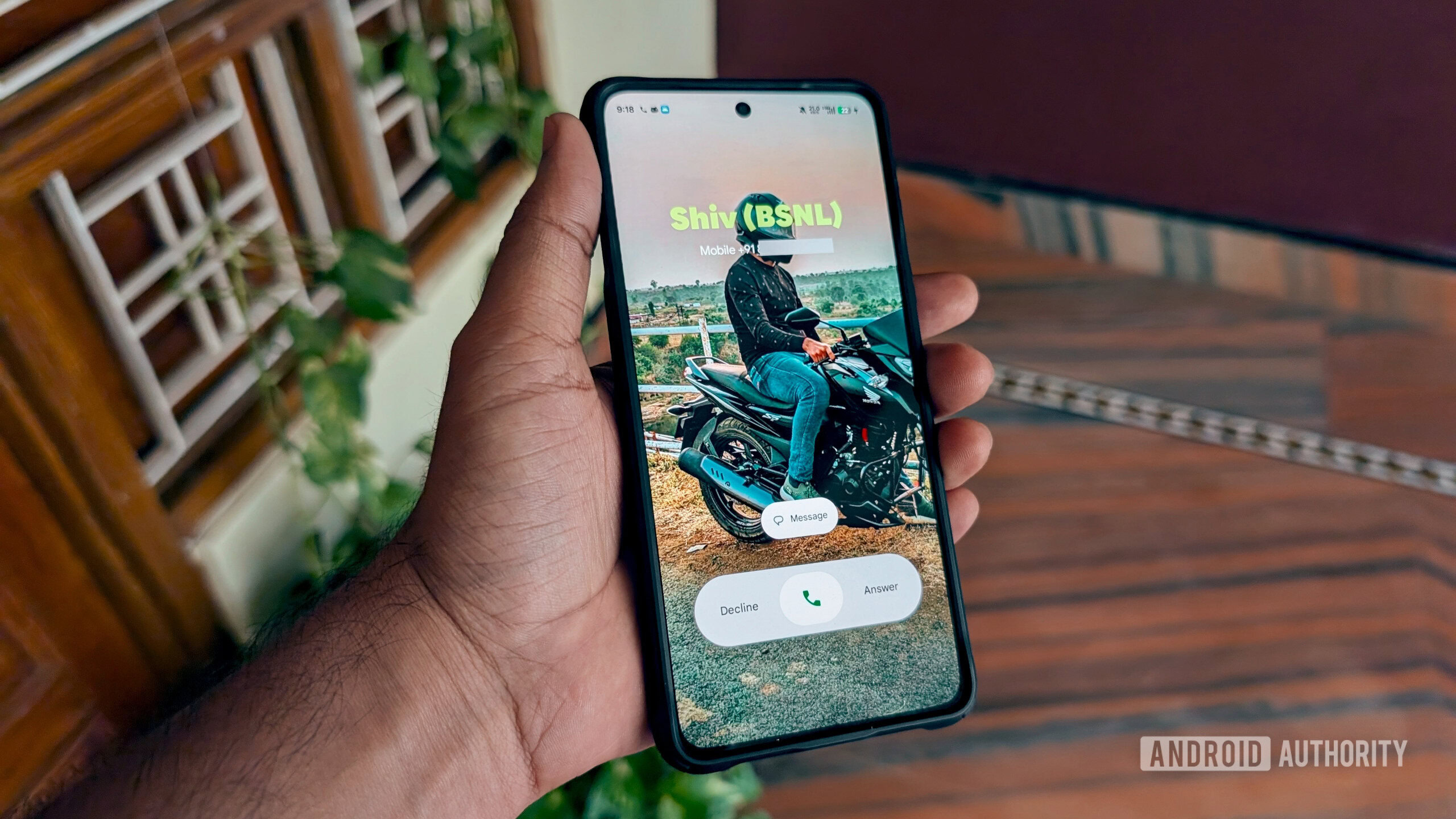
Google Contacts Upgrades: Multiple Photos and Calling Cards Coming Soon
Google Contacts is evolving to enhance user experience with new multiple photo options and a fresh interface. The upcoming changes signal a shift in how we interact with our contacts.
Imagine you're about to answer a call from a friend, and instead of just a single, static image displaying their face, you’re greeted with a vibrant Calling Card. This is not a distant dream but a feature on the horizon for Google Contacts users. As the tech giant rolls out support for multiple photos in its contacts app, it’s not just about aesthetics. It’s about redefining how we connect and recognize people in our digital lives.
The Calling Card Revolution
Last year, Google introduced Calling Cards to the mix, making incoming calls more engaging and personal. Previously, our contacts were limited to one photo that appeared whenever they called. Now, with the ability to assign multiple images, users can personalize their interactions. That could mean a fun picture from a recent trip, a goofy group shot, or even a pet photo. The options are endless, and they allow for a more colorful digital interaction.
This shift isn’t just cosmetic. It reflects a changing landscape in how we perceive and handle communication. In a world where over 1.5 billion people use Google Contacts, introducing features that enhance emotional connection is a smart move. It could draw in users who may have felt disconnected or who prefer a more visual representation of their relationships.
Revamping the User Interface
With the latest Android app version, Google is not only adding capabilities but is also experimenting with a new user interface to emphasize the Calling Card. The traditional contact photo is being downplayed, which could signal a strategic shift towards a more modern contact management system. The update aims for a clean and engaging layout, focusing more on the Calling Card than the old static images.
This redesign raises questions about user preference. Are people ready to embrace a shift in how they view and manage contacts? While the visuals can enhance recognition, they also add layers of complexity. Users accustomed to simplicity might find this overwhelming. Google needs to tread carefully. Keeping it intuitive will be key to ensuring the feature's success.
Sharing and Connectivity
Another exciting development lies in the ability to share your own Calling Card with other users. This feature is still in the works, but it hints at a future where digital interactions are more engaging than ever. Imagine sharing your custom Calling Card at a networking event or a family gathering. It’s like handing out a business card, but more interactive. This capability could redefine personal networking.
Yet, with this functionality comes privacy considerations. Users may hesitate to share personal images widely, fearing misuse or loss of control over their digital identity. Google must implement stringent privacy settings to ensure users feel safe and secure while sharing their Calling Cards.
The Bigger Picture
So, what does this mean for Google and its competitors? These advancements represent a clear intention to innovate in a space that many have overlooked. While Apple and Microsoft have solid contact management solutions, Google’s focus on personalization could give it a leg up. If users can customize their experience, they’re more likely to stick around.
The stakes are high. In the competitive world of tech, attracting and retaining users is essential. Google’s latest offerings could be the hook needed to keep people engaged. However, they also risk alienating those who prefer a simpler, less cluttered interface. It’s a balancing act that could either elevate Google Contacts to new heights or leave it struggling to maintain user loyalty.
Looking Ahead
As Google rolls out these features, the tech community is buzzing with anticipation. Will multiple photos truly change how we communicate? Will the revamped UI resonate with users? One thing is clear: Google is not just enhancing its Contacts app. it is attempting to redefine the digital interaction landscape.
The road ahead will be filled with user feedback and iterations. Google has a chance to refine its approach based on real-world use. If they can deliver a user-friendly experience that emphasizes connection while prioritizing privacy, they may just set a new standard in how we manage our digital relationships.