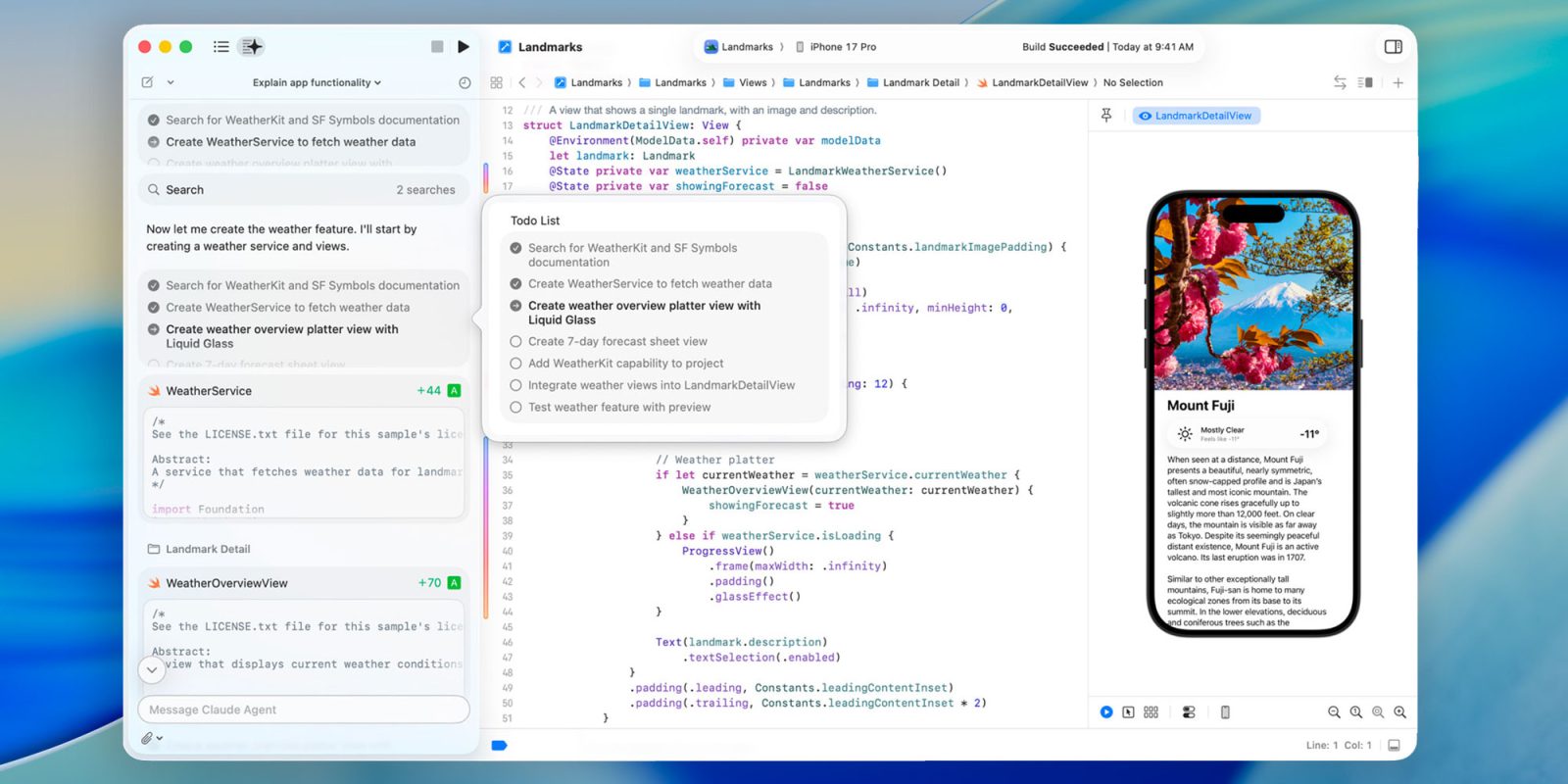
Apple's Xcode 26.3: The Future of Coding with Agentic Capabilities
Apple's latest release candidate for Xcode 26.3 promises to revolutionize the coding experience with agentic coding capabilities. Is this the turning point for developers?
Apple has just dropped the second Release Candidate of Xcode 26.3, and it's making waves in the developer community. With new agentic coding capabilities, this update is more than just your average patch. it's a potential leap forward in how we approach software development. For those who live and breathe code, this could be the upgrade that changes everything.
What Are Agentic Coding Capabilities?
First off, let's unpack what agentic coding actually means. Essentially, it refers to coding that can operate on its own to some extent. Imagine a scenario where the code can suggest optimizations, identify bugs, or even generate snippets based on the user's past coding behavior. This isn't just about automation. it's about creating an intelligent tool that adapts and learns from the user. With Apple’s Xcode stepping into this territory, developers might soon find themselves with a assistant that’s not just responsive but proactively helpful.
Agentic coding is a big deal because it could shift the focus from manual coding to a more collaborative relationship between human and machine. It opens the door to smarter coding environments, where developers spend less time worrying about repetitive tasks and more time innovating. If you're a developer feeling bogged down by mundane tasks, this could be your ticket to a more efficient workflow.
What’s New in Xcode 26.3?
Xcode 26.3 isn’t just about agentic capabilities. It also includes a slew of performance improvements and bug fixes. Apple promises enhanced stability, which is always welcome news for developers who live in a world where time literally is money. No one wants to spend hours troubleshooting crashes and bugs when they could be building the next big app.
The notable changes in this release candidate also include better support for Swift and SwiftUI, making it easier than ever to develop for Apple’s platforms. As developers transition more toward these modern programming languages, Apple has clearly recognized the need to provide tools that enhance productivity and learning curves. This is smart business and reflects Apple’s commitment to its developer ecosystem.
Who Wins and Who Loses?
In the short term, Apple wins big here. The tech giant has long positioned itself as a champion of developers, and with Xcode 26.3, they have a strong narrative to sell. However, it’s not just a win for Apple. Small to medium-sized developers could find themselves gaining a competitive edge. With tools that help streamline processes, those who may not have extensive resources will be able to compete with larger players. The barrier to entry for app development just got a little lower, which could shake up the entire app ecosystem.
On the flip side, this update could create a learning curve for seasoned developers who are used to traditional coding practices. As the code starts to take on a life of its own, some developers may find it challenging to adapt to a system that makes suggestions or performs actions without explicit instructions. This could lead to a divide where newer developers embrace the technology, while veterans struggle to keep pace.
Looking Ahead: The Future of Development
So what does this mean for the future? If Apple gets it right, we could see a new generation of developers who are more focused on creativity and innovation rather than getting bogged down in routine tasks. The success of these agentic features could even lead to a renaissance in app development, as more people feel empowered to create without the barriers that once held them back.
But with great power comes great responsibility. Apple must ensure that these new capabilities don't compromise code quality or security. Developers will need to embrace this technology wisely, or they risk becoming overly reliant on automated processes that could introduce vulnerabilities. The balance between human insight and machine assistance will be critical.
In the end, Xcode 26.3 could mark the beginning of a new chapter for developers everywhere. It's not just about coding anymore. it's about collaborating with technology in ways we haven't fully embraced yet. Whether you're a seasoned coder or a newcomer, keep an eye on this release. The future might just be brighter than we think.