Gen Z's Nostalgia for Old TikTok: A Missed Connection with Authenticity
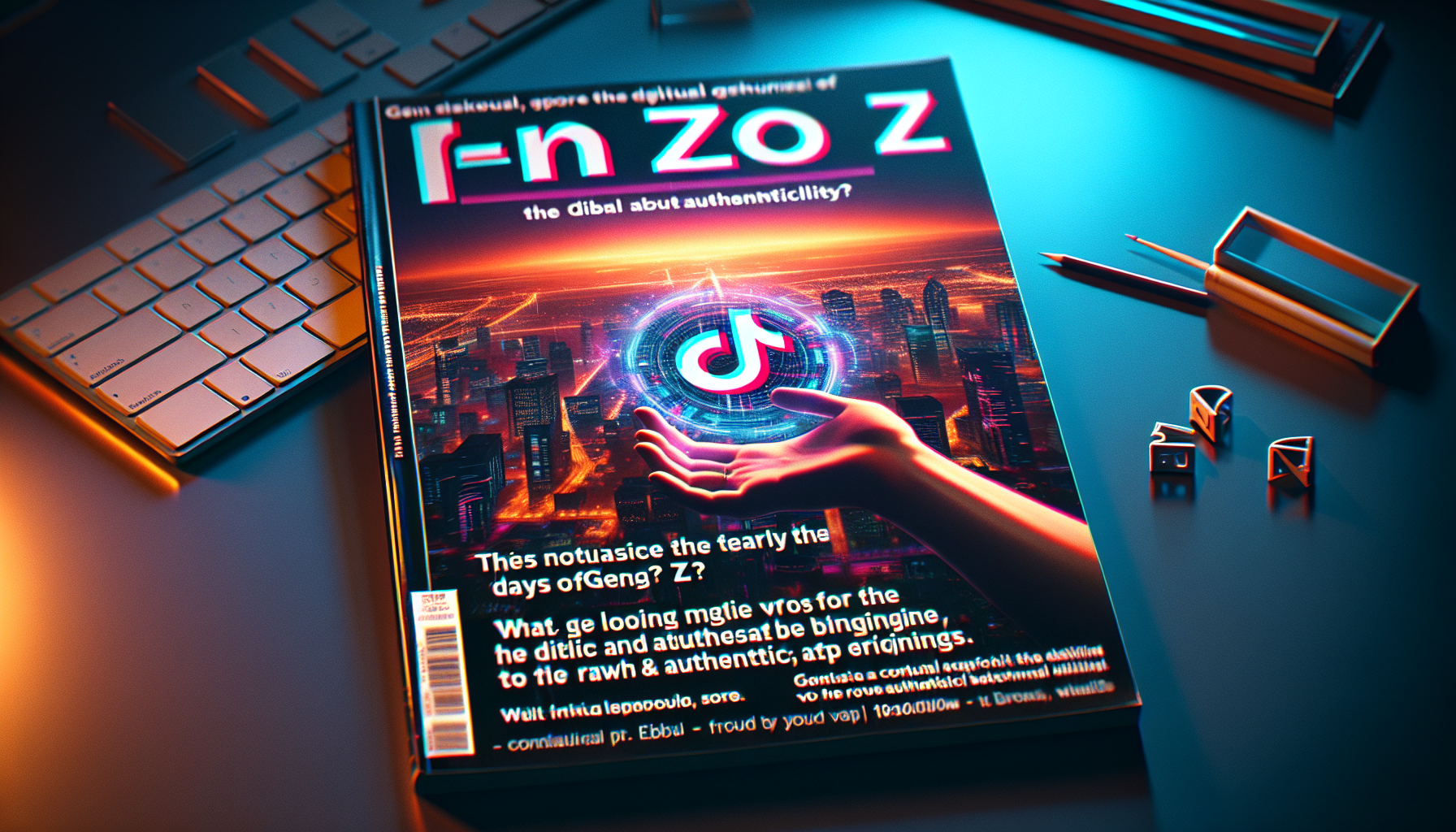
Gen Z's longing for TikTok's early days shows a wider cultural shift. As the platform matures, users feel it losing its raw edge, sparking debates about digital authenticity.
Remember when TikTok felt like a bustling street fair right on your phone? Those days of chaotic, 15-second clips are fading, and Gen Z is feeling the loss. This generation, instrumental in turning TikTok into a cultural powerhouse by 2020, is now yearning for its earlier, more unpolished days. A March 2026 Harris Poll reflects that 79% of Gen Z misses this version of the platform. They miss a platform that felt like theirs, not one overtaken by ads, brands, and commerce layers.
What does this nostalgia signal? The platform's transformation isn't just about longer videos or an influx of polished content. It's a shift toward a more commercial feel that 53% of Gen Z finds increasingly exhausting. TikTok's efforts to compete with YouTube have led to rewarding longer, more structured content, veering from its original creative ethos. And as TikTok grapples with regulatory pressures, algorithm tweaks have left users questioning the platform's trustworthiness. Sixty percent of these users say they trust TikTok less now.
But here's the twist: Gen Z isn't just mourning for the past. They're actively seeking new digital spaces that prioritize authenticity over algorithmic feeds. With platforms like YouTube and Substack gaining favor, there’s a quiet migration underway. This isn't just about nostalgia, it's a push for digital environments that feel intentional and personally curated. The story the data tells us is clear: every media disruptor eventually matures into what it disrupted. TikTok's democratic, raw creativity model couldn't scale into a $300 billion advertising machine without losing some of its original magic.
So, while TikTok remains a daily staple for cultural content, the cracks are showing, and the industry's next disruptive chapter might just be carved out by those seeking to reclaim that lost authenticity.