Apple's Touchscreen MacBook Pro: A Gamechanger or Too Late?
Apple's introduction of touchscreens to MacBook Pros this fall aims to blend design and functionality with OLED screens and Dynamic Island features. But is it enough to catch up?
I remember the first time I heard someone ask why Apple's MacBooks didn't have touchscreens. It was at a bustling coffee shop, where conversations about tech are as common as the smell of espresso. Their argument was simple: if iPads and iPhones have it, why not the MacBook? Now, years later, Apple seems to be answering that call with their new MacBook Pros featuring touchscreens.
The Deep Dive
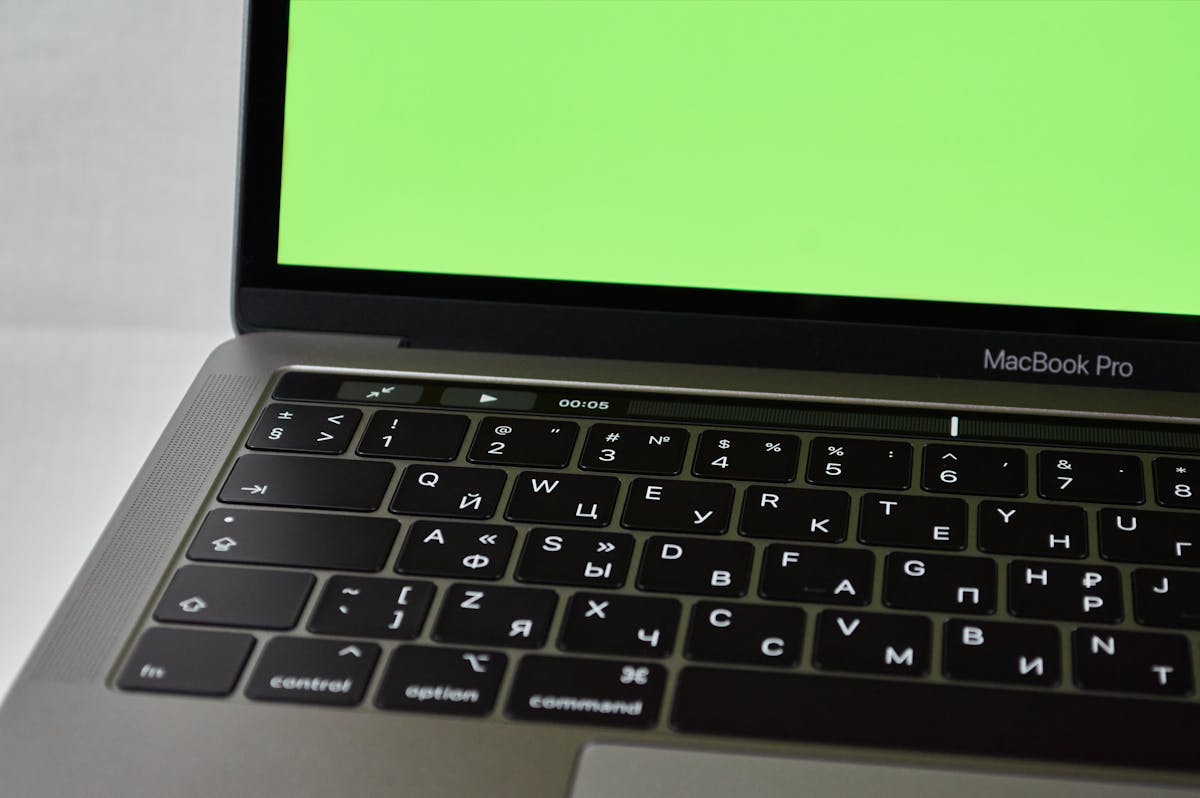
Apple plans to launch the 14-inch and 16-inch MacBook Pros with touchscreens this fall. And that's just the beginning. These laptops aren't just about adding a touchscreen. they're a nod to Apple's signature approach of integrating hardware and software. The new models will include OLED screens, making the visuals crisper and for a Dynamic Island-style webcam, a feature that's been exclusive to their iPhones until now.
The Dynamic Island is more than just a catchy name. It's a dynamic interface designed to make the transition between mouse input and touch input smoother. For instance, if you touch an onscreen button, macOS could pull up a contextual menu providing options tailored for touch commands. Parts of the interface, like the menu bar, will enlarge to make selections easier with a finger.
Apple isn't the first to attempt this fusion. Windows laptops with touchscreens have existed for years, with companies like Microsoft incorporating dynamic interface elements to enhance the touch experience. Apple's late to the party, but their meticulous design could make their touchscreen MacBooks feel more intuitive out of the box.
Broader Implications
So what does this mean for the industry, especially those of us rooted in tech, finance, and yes, crypto? First off, Apple's move could spur other tech giants to refine their offerings. Competition could lead to better products and perhaps even more consumer-friendly prices.
And for the crypto community, which thrives on efficiency and new tech, Apple's new MacBooks could become a go-to device. Imagine reviewing decentralized apps or tracking market trends on a device that allows for easy interaction, pinching, and swiping through charts with precision.
But there's a flip side. Traditional MacBook users might balk at the added functionality. Why change something that works? And will the added cost be justifiable for those who use their MacBooks mainly for writing or coding, where touch capability isn't a necessity?
Your Honest Opinion
Here's the thing: Apple's decision to include touchscreens could either be a brilliant leap into the future or a redundant feature for a loyal user base that never asked for it. On the other hand, this could be Apple's way of drawing in a new demographic, those who've been on the fence about switching to a Mac because of its lack of touch functionality.
For those of us in the crypto space, it's worth watching how Apple positions these new MacBooks. If the integration of touch features proves to be as smooth as promised, it could become a valuable tool for day traders and developers alike.
In the end, whether this move will pay off or not will depend on how well Apple executes its vision and whether users are ready to embrace a change that blends the worlds of smartphones, tablets, and traditional laptops into a single device.