
U.S. Oil Market Maneuvering Amid Iran Conflict: A High-Stakes Gamble
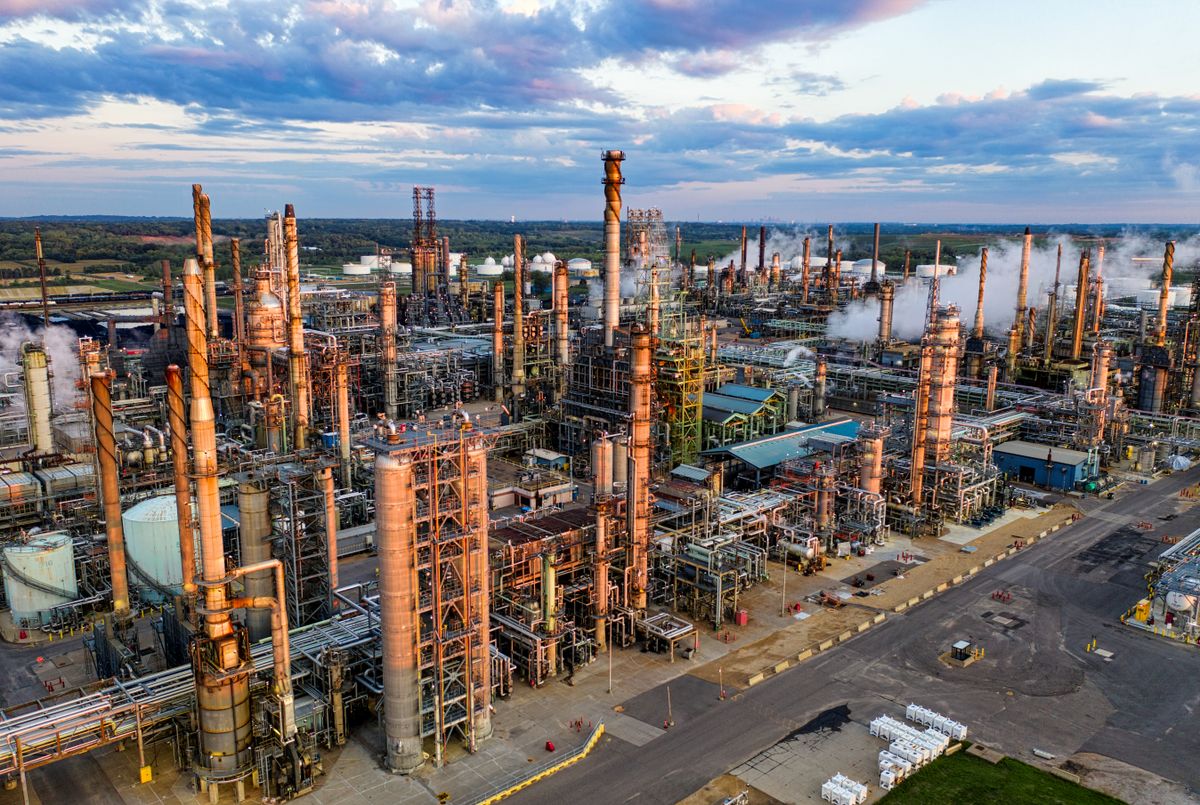
As oil prices surge due to tensions with Iran, the U.S. considers market interventions. Does this signal a new approach to energy strategy, or a risky gamble?
The notion that the U.S. might intervene in the oil futures market is both daring and fraught with potential backlash. In the midst of escalating tensions with Iran, such a move could be seismic, but it's more than just a market ploy. it reflects deeper economic and geopolitical strategies.
Evidence of Market Tensions
The backdrop to this speculation is a market under siege. Global crude futures have climbed over 40% in just under two weeks since conflict erupted, propelling U.S. gasoline prices to the highest they've been in nearly two years. With millions of barrels stranded in the Persian Gulf and the Strait of Hormuz effectively a choke point, the stakes are undeniable.
Interior Secretary Doug Burgum’s recent comments underscore this pressure. Though he confirmed discussions about trading in oil futures to curb these surging prices, he stopped short of declaring any definitive actions. "An intervention to try to manipulate and lower prices would require enormous amounts of capital," Burgum noted. Translation: while the idea is on the table, execution remains uncertain.
Counterpoint: The Risks of Market Intervention
But hold on. The prospect of government intervention in the market raises critical questions. Is this a signal of confidence or desperation? Trading in futures markets isn't just about economics. it's a statement on market stability. There's a significant risk here that such maneuvers could backfire, inciting volatility rather than calming it.
the commitment of "enormous amounts of capital" doesn't just imply financial risk. There's a geopolitical layer too. The global energy world is in flux, not just because of Iranian tensions, but due to a broader shift towards reducing dependency on certain foreign powers.
The Verdict: A Strategic Gamble
So, here's the thing: while the U.S. hasn't yet pulled the trigger on this oil futures intervention, the mere contemplation reveals a lot. It suggests a government willing to explore unconventional measures to stabilize domestic economic conditions in the face of external pressures.
The discussion also dovetails with broader initiatives under the Biden administration to diversify supply chains and reduce China dependency. The Indo-Pacific Energy Security Ministerial, where these topics are likely to take center stage, highlights another layer of strategic calculus.
In the crypto area, the implications could be profound. As traditional markets face instability, digital currencies might see increased interest as a hedge against fiat currency fluctuations. Who stands to win or lose isn't just a matter of economic powerhouses, but also emerging tech sectors.
In the end, whether this move signals strategic foresight or overreach by the U.S. won't just impact oil markets. It could redefine investor confidence and alter geopolitical alliances. The question isn't just about current market prices, but about how countries navigate a world where economic ties and energy dependencies are constantly being tested.
Explore More
Key Terms Explained
Government-issued money that isn't backed by a physical commodity like gold.
Contracts to buy or sell an asset at a specific price on a future date.
Taking a position that offsets potential losses in another investment.
Buying assets hoping to profit from price changes rather than fundamental value.