
Trump's Mixed Signals on Iran: Ceasefire Challenges and Oil Price Impacts
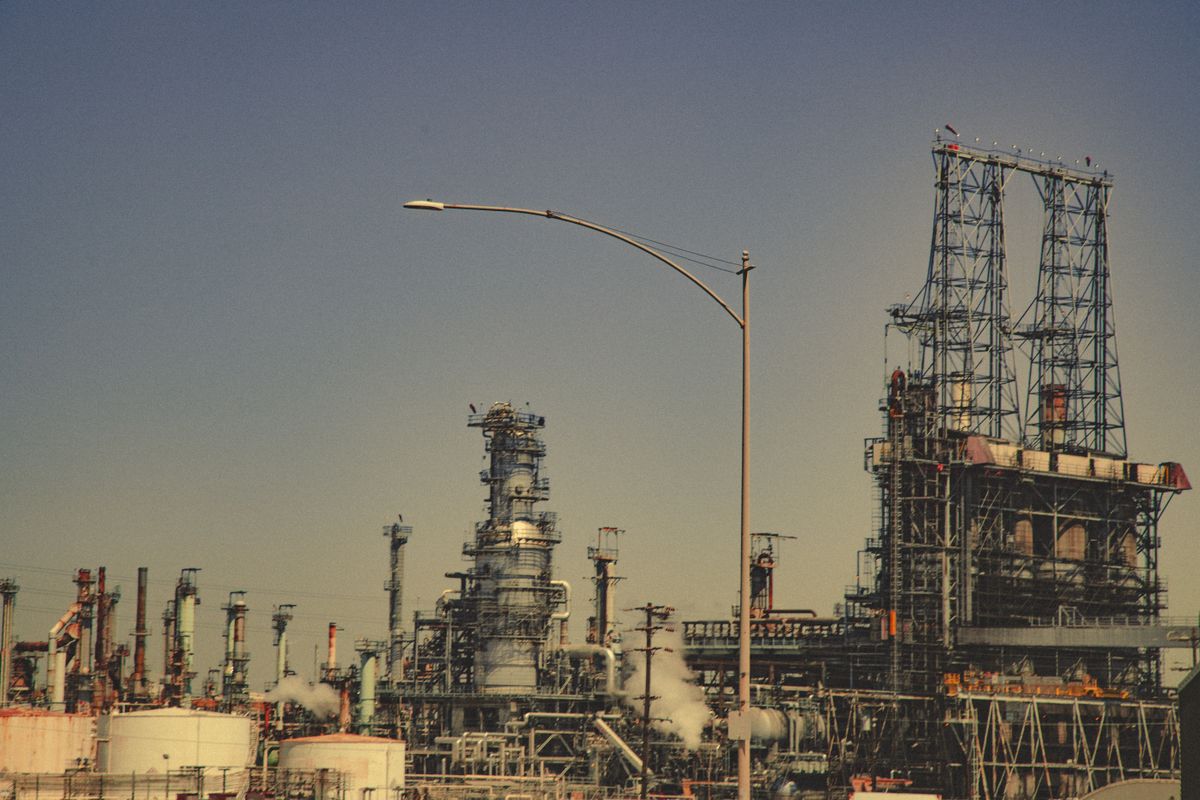
President Trump juggles conflicting approaches to the Iran conflict as a ceasefire deadline looms. With oil prices spiking and negotiations stalemated, what's the impact on global markets?
What's the real story behind President Trump's latest moves regarding Iran? As tensions rise and the ceasefire deadline approaches, everyone wants to know how this will affect global markets and what it means for the average investor.
Raw Data: Conflict and Its Costs
On Monday, President Trump sent mixed signals about his intentions with Iran. With a ceasefire set to expire on Wednesday, there's a lot on the line. He warned that if no agreement is reached, "lots of bombs" could go off. So, what are we looking at here? In numbers, Iran reports over 3,375 deaths since the conflict started. Oil prices have jumped to over $95 a barrel from around $70, thanks to tensions in the Strait of Hormuz. That's a jump that's hitting markets hard.
Context: A Historical Perspective
Why does this matter so much? The strait is a key passage for about one-fifth of the world's oil trade. Control here can disrupt global energy supplies, sending shockwaves through economies. Iran's actions, like halting traffic, have historically been use points. However, the U.S. blockade further complicates things. We've seen this movie before in geopolitical conflicts where energy prices become weapons, impacting everything from stocks to crypto markets.
Insiders' Take: Market Reactions
Traders are watching this closely. According to market analysts, any prolonged disruption in oil could lead to a ripple effect across sectors. Energy-heavy industries might see costs soar, while alternative energy stocks could rally. Trump's insistence on holding out for an Iranian concession might reassure his base, but it's causing concern among investors who see prolonged uncertainty as a risk.
What's Next: Key Dates and Catalysts
So, what should we keep our eyes on? The immediate date to watch is Wednesday when the ceasefire expires. Will Trump send Vice President JD Vance to Pakistan for further negotiations? Another key factor is how Iran responds to the U.S. blockade. If oil prices continue their upward trend, expect more market volatility. The builders in digital ownership and on-chain gaming economies are likely to see this as an opportunity for growth, as crypto and digital assets could become more attractive hedges against traditional market instability.
Here's the thing, this isn't just about oil or geopolitical posturing. It's about how markets shift in response to uncertainty and how technology adapts to these shifts. The crypto market, while nascent, thrives in volatility. As traditional markets react to these geopolitical tensions, digital assets might offer new utility and opportunities.