
Trump's Iran Delay Spikes Asian Equities: What It Means for the Crypto Market
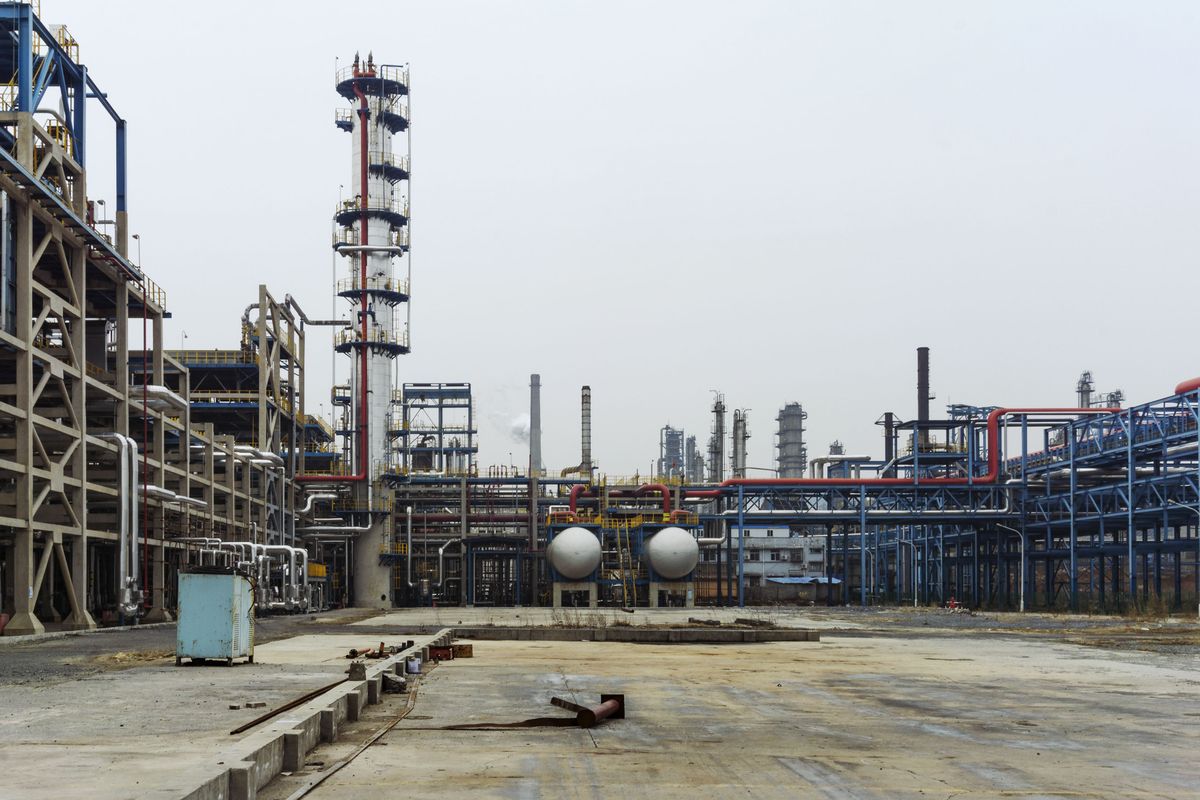
President Trump's delay on striking Iranian energy infrastructure lifts Asian equities. Oil prices rise, stirring potential shifts in the crypto field. Here's what it means for investors.
When I caught wind of Trump's decision to postpone planned military actions against Iran, it got me thinking about the intricate dance between geopolitics and market dynamics. A single statement from the White House seemed to reanimate Asian equities overnight. But what's really driving this market rally, and how does it ripple into the sphere of crypto?
The Mechanisms Behind the Market Moves
Asian equities saw a notable jump as the prospect of heightened conflict in the Middle East was dialed down a notch. President Trump signaled a delay in military strikes, opting instead for diplomatic discussions with Tehran. This decision comes just shy of escalating tensions that had markets on edge.
Oil prices, hungry for any sign of stability, reacted swiftly, opening stronger after a significant drop the previous Monday. It's a classic case of geopolitical fears influencing commodity prices. The Brent crude index saw a lift, pushing prices towards a more favorable position. Investors, who've been jittery over the potential of a full-blown conflict in the Middle East, seemed to breathe a sigh of relief. But let's not forget, the lesson here's that global markets can pivot on a dime, especially when energy supply chains are in question.
So, why is this relevant to the crypto community? It's simple. Market instability in traditional sectors often sends investors searching for alternatives. Enter crypto, touted for its decentralized allure yet plagued by its own volatility.
Broader Implications: Traditional Meets Crypto
Here's the thing about these market shifts: they highlight a recurring theme. When traditional markets face uncertainty, digital assets like Bitcoin often emerge as a hedge, albeit one with significant risks. As oil prices react to geopolitical tensions, savvy investors are reminded of crypto's potential as a store of value, despite its wild swings.
But can crypto truly act as a safe haven during geopolitical unrest? Or is the belief in its protective capabilities just another marketing spin? The evidence is mixed. While Bitcoin has occasionally moved in tandem with gold, suggesting a flight to safety, its price can also be swayed by unrelated factors such as regulatory news or tech developments.
For the Asian markets, a rise in equities could only mean one thing: optimism, albeit cautious. Investors are gauging whether this diplomatic pause is a lasting peace or a temporary reprieve. Meanwhile, the crypto market watches closely, as any economic repercussions will surely impact its volatile nature.
What Should You Do With This Info?
So, what should investors make of all this? First, don't jump to conclusions. Skepticism isn't pessimism. It's due diligence. The crypto market's potential as an alternative investment is enticing but requires careful navigation.
For those already riding the crypto wave, consider this a reminder of the unpredictable nature of both global politics and market reactions. Diversifying your investment strategy is key. While traditional markets and digital assets may seem worlds apart, they're more connected than they appear.
Here's my take: remain informed and agile. The burden of proof sits with the team, not the community. Watch how geopolitical developments unfold and adjust your strategies accordingly. In a world where markets can pivot on a tweet, staying ahead means never getting too comfortable.
Explore More
Key Terms Explained
The first cryptocurrency, created in 2009 by the pseudonymous Satoshi Nakamoto.
A basic good used in commerce that's interchangeable with other goods of the same type.
Not controlled by any single entity, authority, or server.
Taking a position that offsets potential losses in another investment.