
Top Day Trading Platforms: A Detailed Look at Speed, Control, and Market Access
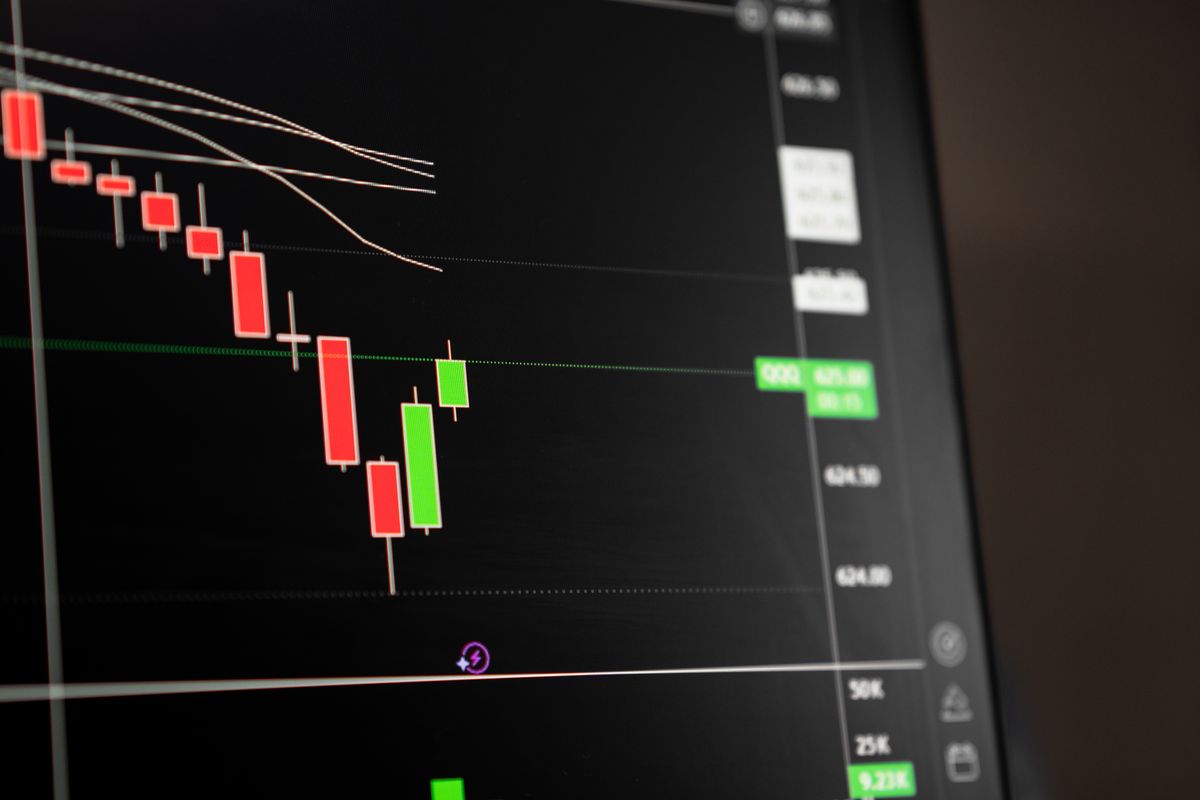
Explore top day trading platforms that cater to both novice and seasoned traders. Discover how speed, order control, and global market access define the best options in 2023.
I recently noticed how the speed and precision of day trading platforms can significantly affect trade outcomes. In today’s fast-paced markets, platforms that can’t keep up leave traders frustrated, missing essential opportunities.
The Mechanics: What Makes a Platform Stand Out?
Day trading demands a platform where speed, precision, and control converge. It’s all about execution speed and real-time data access. Platforms like TradeStation and Lightspeed have mastered low-latency execution and direct market access, offering tools that support intricate order management. For instance, TradeStation provides advanced order types and a fully-operational mobile app to help quick decisions. Meanwhile, Lightspeed is designed for high-frequency traders, boasting ultra-fast execution speeds essential for professionals.
For the uninitiated, platforms like Plus500 simplify the trading process, reducing the learning curve associated with CFD trading. Offering access to over 2,800 CFDs, it presents a user-friendly interface without sacrificing essential charting tools and real-time data. However, the tradeoff is a lack of advanced tools that seasoned traders might find limiting.
Broader Implications: How These Platforms Reshape Trading
The real world is coming on-chain, one asset class at a time. As more traders demand faster, more reliable platforms, the industry is seeing a shift toward enhanced features and widespread market access. Interactive Brokers stands out, providing access to over 135 global markets at appealing margin rates. This global access is invaluable for traders looking to diversify across borders.
Yet, what does this mean for the average trader? The rise of platforms like Robinhood, with its commission-free model, highlights an ongoing democratization of trading. It's now easier than ever for beginners to access markets previously dominated by seasoned professionals. However, Robinhood's simplicity and lack of advanced order types might deter those seeking direct market access.
What Traders Should Consider
So, what should traders do with this information? If you're a beginner, start with platforms like Robinhood or Plus500 for their simplicity and educational support. But be aware of the risks involved in day trading. For those serious about trading futures or equities at a professional level, consider Interactive Brokers for its global reach or Lightspeed for its high-frequency tools.
Here's the thing: while platforms offer plenty of tools, the real challenge lies in choosing one that aligns with your trading strategy and skill level. As day trading becomes more accessible, the right platform can make all the difference between success and missed opportunities. Don’t just look at commissions. evaluate the whole package and how it aligns with your trading goals.
Key Terms Explained
Contracts to buy or sell an asset at a specific price on a future date.
Borrowed money used to increase trading position size.
Transactions and data recorded directly on the blockchain.
Contracts giving the right, but not obligation, to buy (call) or sell (put) an asset at a set price before expiration.