
Tesla Expands Robotaxi Service in Texas: A Game of Autonomous Chess with Waymo
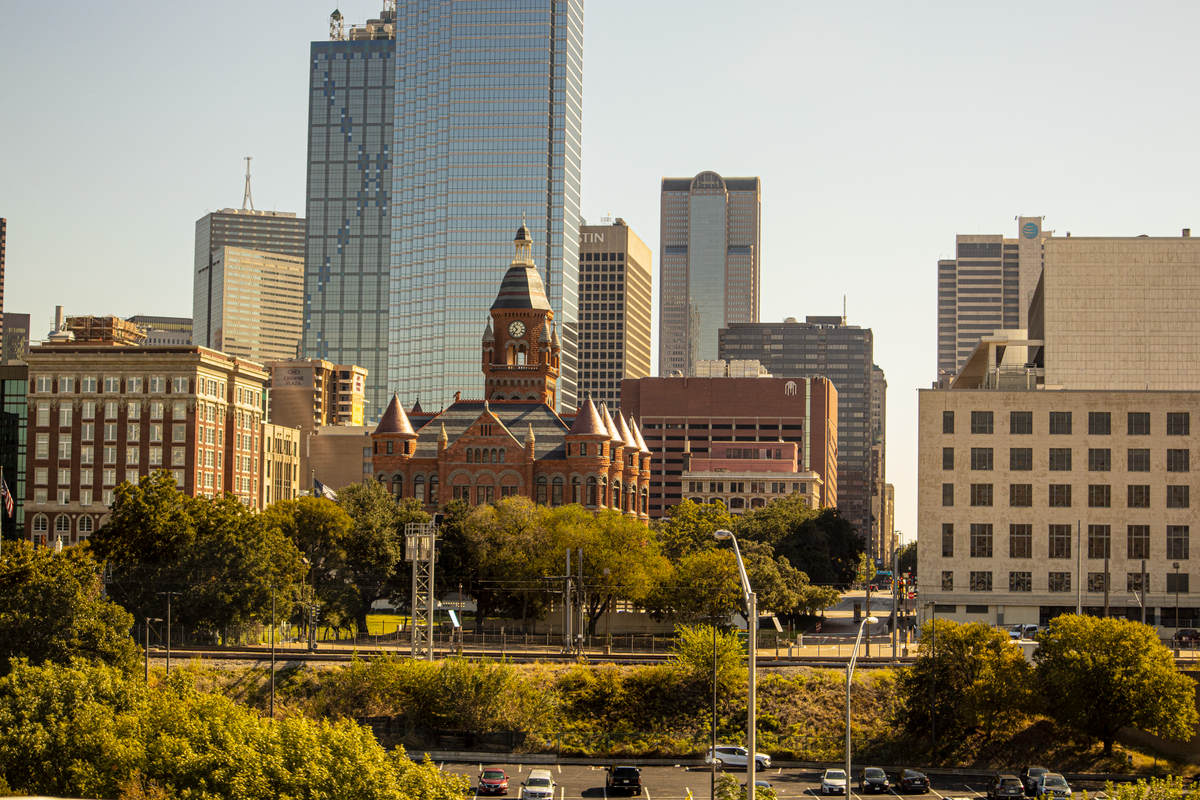
Tesla's bold move to expand its Robotaxi service to Dallas and Houston challenges Waymo's market presence. As Tesla pushes for autonomy, questions about safety and regulation loom.
Tesla's expansion of its Robotaxi service into Dallas and Houston represents more than just geographical growth. It's a direct challenge to competitors like Waymo, asserting Tesla's ambition to dominate the autonomous vehicle space. But is the market ready for unsupervised rides?
Evidence: Tesla's Tactical Moves in Texas
Starting from its home base in Austin, Tesla's decision to extend its Robotaxi operations into Dallas and Houston is a calculated step in the company's broader strategy. With a population of over 1.3 million in Dallas and over 2.3 million in Houston, Tesla isn't just tapping into large markets. it's laying the groundwork for a Texas-wide autonomous network.
Earlier, Tesla's Robotaxi service began with human supervisors, dubbed 'Tesla Safety Monitors,' to ensure passenger safety. However, recent shifts towards removing these monitors demonstrate Tesla's increasing confidence in its autonomous technology. Visuals released by Tesla show 360-degree views without any safety personnel, signaling a bold stride towards full autonomy. Yet, the company hasn't clarified if these changes will be immediate or gradual in the new cities.
Counterpoint: Challenges on the Road Ahead
Despite Tesla's ambitious rollout, the road to complete autonomy is fraught with challenges. The absence of in-car supervision raises significant safety concerns. Historically, Tesla admitted that some vehicles are remotely operated by human drivers at times, which might instill doubt among potential riders. Moreover, regulatory hurdles remain a substantial barrier. While Tesla secured ride-hailing approvals in California, it still faces restrictions on autonomous operations there. Similar regulatory obstacles in Texas could stymie the expansion.
Then there's the competition with Waymo, which has already established its service in these Texas cities since February 2023. With its extensive experience and arguably more conservative approach to autonomy, Waymo isn't an adversary to be underestimated.
The Verdict: Tesla's Future in Urban Autonomy
So, where does Tesla stand in this autonomous vehicle race? The company's aggressive expansion reflects a high-stakes gamble. By venturing into large, diverse markets like Dallas and Houston, Tesla signals its intent to lead, not follow. However, regulatory compliance and public trust are hurdles that might slow this march.
Yet, Tesla's relentless innovation and disruption in the car industry can't be discounted. As they edge closer to fully autonomous rides, the company's ability to navigate these challenges will determine whether this expansion becomes a defining moment or a stumbling block. Does Tesla's Robotaxi service represent the future of urban mobility, or is it a premature leap?