
Self-Driving Cars Could Spark Another Chip Shortage With 300GB RAM Needs
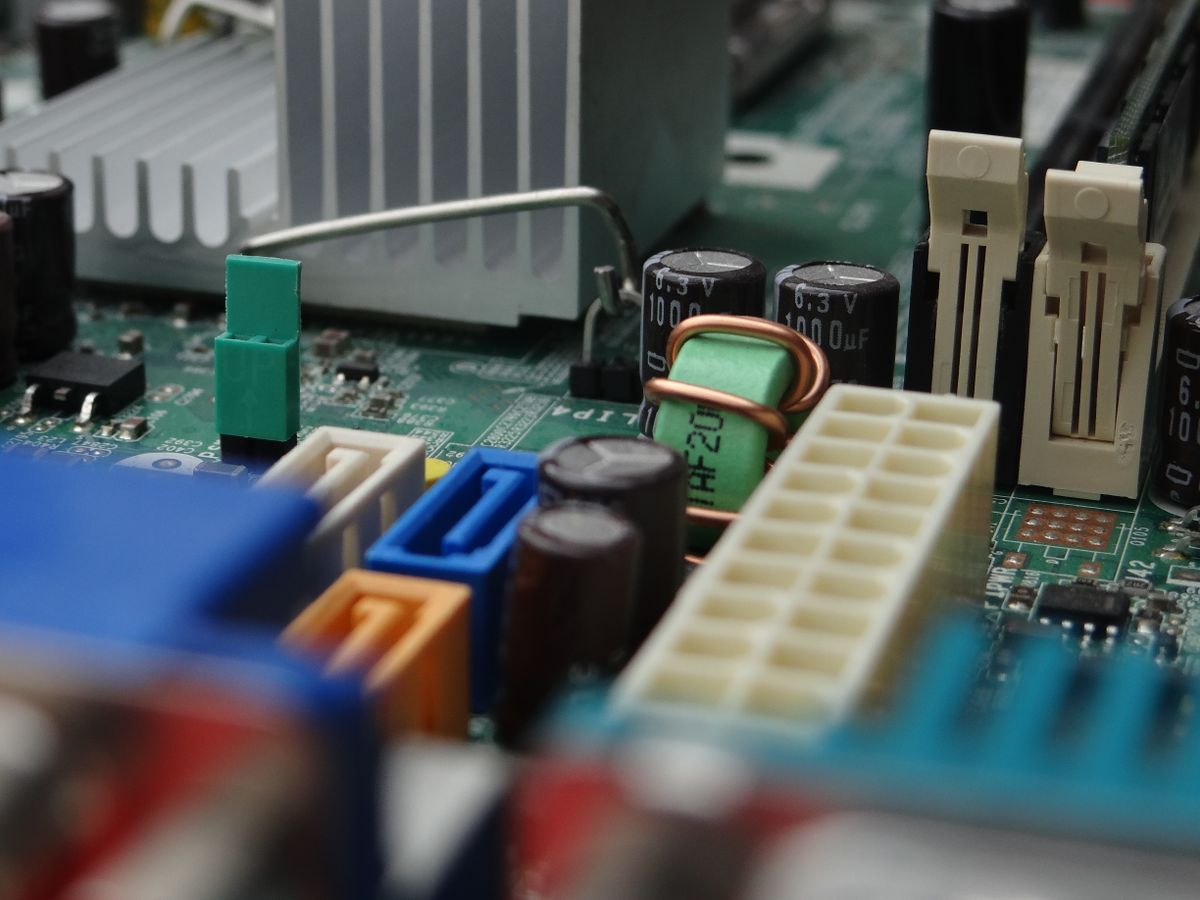
The future of self-driving vehicles demands massive memory, with each car requiring up to 300GB of RAM. This could unleash a new wave of memory chip shortages, impacting various sectors, including crypto. Who stands to gain or lose in this evolving tech market?
Self-driving vehicles are inching closer to reality, promising to reshape our commutes and cities. But these advanced cars come with hefty tech requirements. Each will need at least 300GB of RAM. This isn't just a tech tidbit, it’s a potential big deal for the memory chip market.
Timeline: How We Got Here
Let's rewind. The evolution of autonomous vehicles has been happening for years, with gradual advancements in AI and machine learning. Tech companies and automakers have poured billions into developing smarter cars. In recent years, we've seen significant strides.
In 2022, auto manufacturers began revealing their ambitious roadmaps. They showcased vehicles featuring advanced autonomous capabilities. Notably, the push for self-driving tech has accelerated as companies aim to reduce human error and improve traffic conditions.
Fast forward to today, the conversation has shifted to infrastructure. What powers these vehicles? The answer: they’re essentially AI supercomputers on wheels. And like any supercomputer, they need massive memory capacities to process complex driving tasks in real-time.
Impact: A Looming Chip Shortage?
Here's the thing. With each vehicle requiring 300GB of RAM, demand for memory chips is expected to skyrocket. This isn't just a marginal increase. It’s a potential surge that could strain supply chains and drive another shortage.
Remember the past chip shortages? They disrupted everything from smartphones to graphics cards. Now, imagine that disruption multiplied. It's not speculation. Arithmetic. As automakers scale up production of self-driving cars, the ripple effects could be felt across various industries.
Who wins in this scenario? Chip manufacturers stand to gain significantly. More demand means higher prices and increased revenue. But it's a double-edged sword. If memory shortages persist, it could throttle innovation and delay tech deployments.
Crypto might face turbulence too. High-performance mining rigs and blockchain nodes rely on these components. If resources become scarce, costs could rise, impacting profitability. The data is unambiguous. Crypto markets need to brace for potential volatility.
Outlook: The Road Ahead
So, what next? Companies are ramping up their chip production capabilities. The goal is to mitigate shortages and meet the impending demand. But it's not a short-term fix. Building the necessary infrastructure takes time and investment.
And there's another layer. Competition among automakers and tech giants is heating up. Everyone wants a slice of the autonomous pie. It could drive innovation and efficiency in chip production, eventually stabilizing supply chains.
Look, adaptation is key here. Crypto markets need to watch these developments closely. Strategic partnerships with chip manufacturers could be key. Diversifying hardware sources might also become a priority.
If losses hold through the weekly close, crypto valuations could see further adjustments. But, it's a potential opportunity for savvy players to capitalize on. History rhymes here. Those who adapt in times of scarcity often emerge stronger.
Explore More
Key Terms Explained
A distributed database where transactions are grouped into blocks and linked together cryptographically.
Using computational power to validate transactions and create new blocks on proof-of-work blockchains.
Total income generated by a company or protocol before expenses.
Buying assets hoping to profit from price changes rather than fundamental value.