
Oil Sanctions and China's Strategic Moves: What's the Ripple Effect?
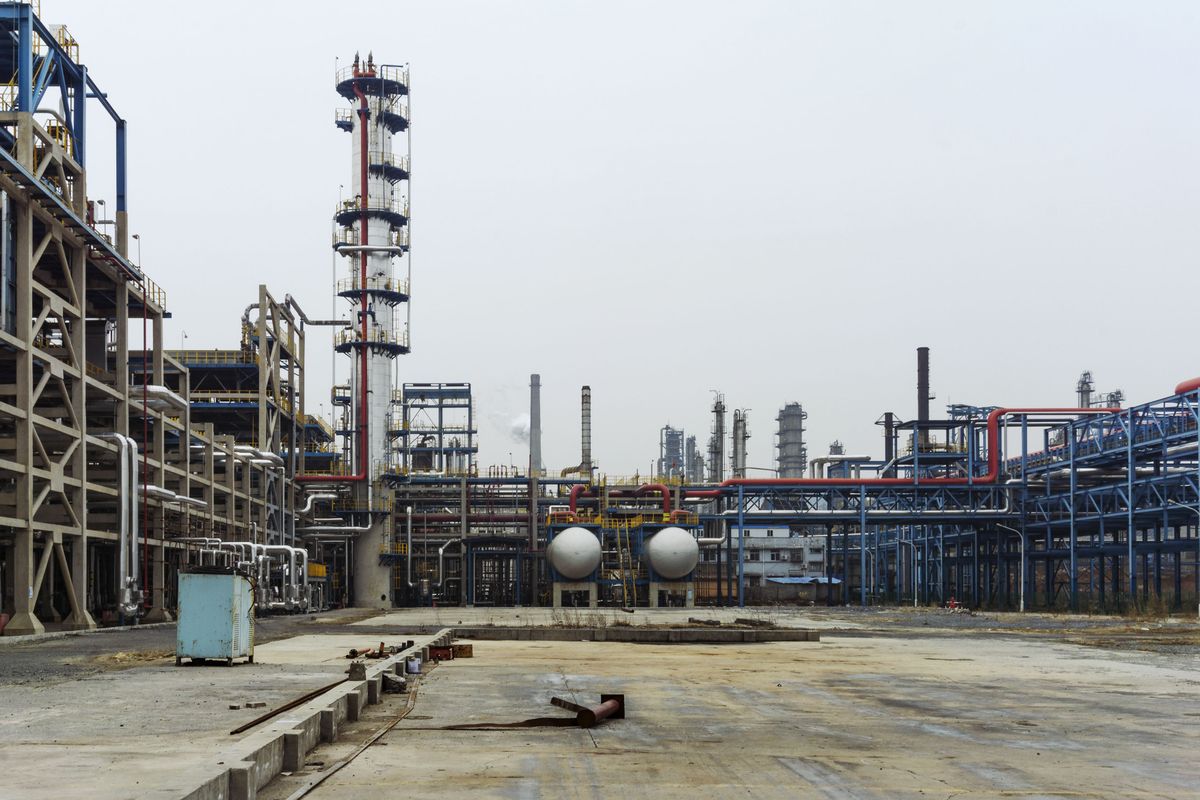
Iran's oil sanctions and China's growing stockpiles fuel a complex energy market shift. As electric vehicles rise, the real impact trickles into the crypto sphere.
Oil prices have jumped globally in recent weeks, driven in part by the ongoing conflict in Iran. It's no secret that not all oil is created equal, and Iran's crude often finds its way to China's smaller, independent "teapot" refineries. These refineries, though not as well-known as their giant state-owned counterparts, play a key role in navigating the convoluted web of sanctioned oil. Meanwhile, China has been methodically increasing its strategic petroleum reserves, a move that seems almost prescient as electric vehicles continue to gain traction.
The focus on sanctioned Iranian oil highlights a broader issue: the disparities in global oil distribution and pricing. While some countries face direct impacts, China's long-term strategy of stockpiling reserves might just be its ace in the hole. With EV adoption on the rise, the demand dynamics are shifting, potentially lowering future reliance on foreign oil. Yet, this isn't just a story about oil. It's always a story about money. The economic ripple effects extend far beyond the energy sector into financial markets and the expanding crypto world.
Here's the thing. Crypto markets thrive on uncertainty and volatility, often finding strength where traditional markets falter. China's maneuvers with its oil reserves could indirectly impact crypto by affecting global market confidence. If China's strategy successfully buffers its economy against oil price shocks, it could stabilize markets, reducing the volatility that fuels much of crypto's appeal. However, less volatility isn't what Bitcoin traders dream of at night.
The better analogy is a game of chess, where each calculated move shifts the overall pattern on the board. So watch closely as China plays its hand. The proof of concept is the survival of those who adapt and anticipate in this ever-evolving market.