
Oil Nears $100: The Fragile Ceasefire in the Iran Conflict and Its Crypto Implications
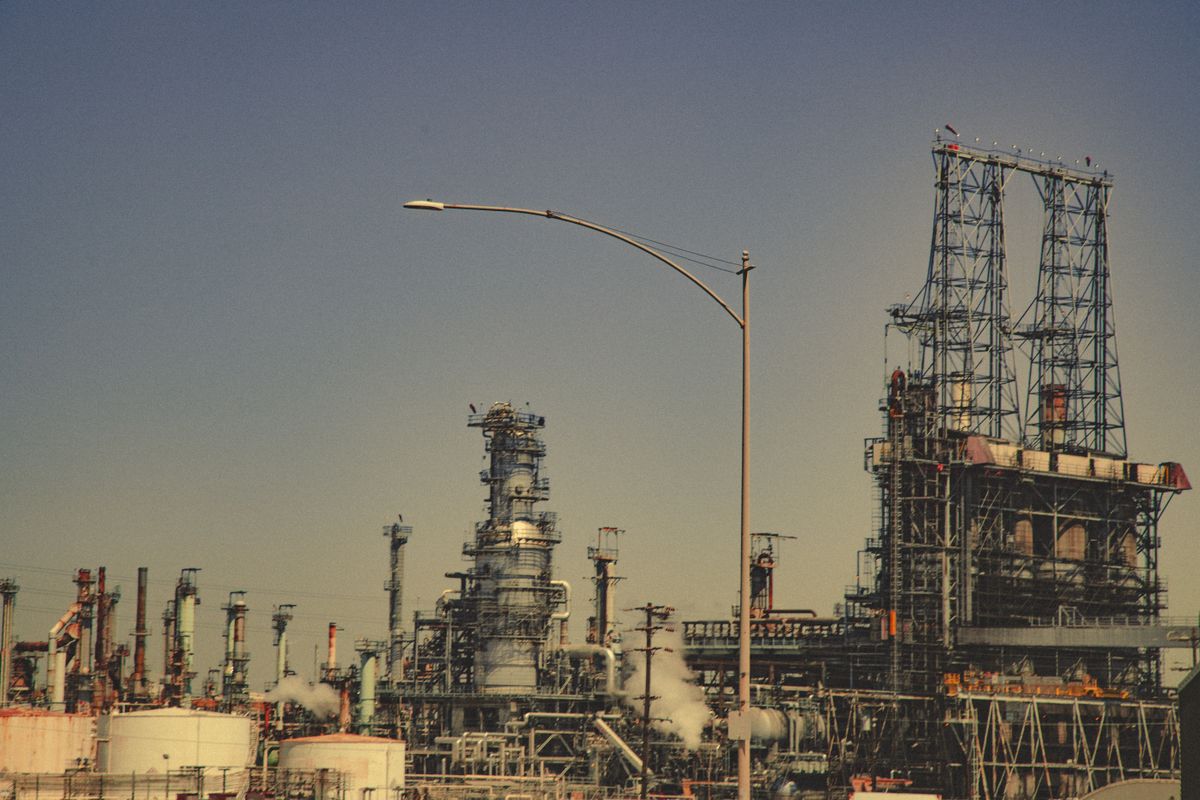
A fragile ceasefire between the US and Iran brings stability but also uncertainty. Explore how this geopolitical standoff impacts global markets and the crypto world.
Oil is hovering near the $100 mark. That's significant. It's due to President Trump's surprise extension of the ceasefire with Iran. The conflict didn't officially end, but active combat hit pause. This middle ground might just become the new normal.
The Road to a Stalemate
The story began when President Trump, in a unilateral move, extended the ceasefire indefinitely. That was unexpected. It marked a shift from the traditional narrative of conflict escalation in the region. But what does this mean in practical terms? No guns firing, yet no peace treaty signed either. The underlying issues between the US, Israel, and Iran are still on the table.
Over recent months, we saw sporadic flare-ups in tensions. There were moments when it seemed oil prices would spike even higher. However, the ceasefire held. It's like walking on a tightrope. One misstep could lead to a costly escalation that America wants to avoid. It's an interesting balance and one that might not hold forever.
Ripple Effects Across Markets
The immediate impact was clear. Oil prices steadied near the $100 mark. That has a domino effect. Energy markets are sensitive. Investors are cautious, watching every headline out of the Middle East. But it's not just traditional markets feeling the heat. The crypto market's also responding.
Why should crypto enthusiasts care? Simple. Economic instability often drives investors toward decentralized assets. Look at Bitcoin's recent rally. It's no coincidence. In uncertain times, cryptocurrencies become an attractive hedge against fiat volatility. But questions remain. Could this geopolitical standoff boost Bitcoin prices even further?
And there's another angle. Gas optimization in smart contracts might see changes. If oil prices fluctuate dramatically, transaction costs on blockchain networks could follow suit. Developers need to consider this. Shipping to testnet first isn't just advice. It's essential now.
What Lies Ahead?
Predicting the future of this ceasefire is tricky. No one has a crystal ball. But if tensions remain in this uneasy equilibrium, we could see prolonged economic ripples. Both in oil markets and crypto spaces. Will we witness a dramatic policy shift from the US? It's possible. Or perhaps Iran will make unexpected moves. The possibility of a formal peace treaty seems slim right now.
Crypto developers and investors should keep a close eye on these dynamics. Market confidence swings with geopolitical changes. Expect more volatility. That's not necessarily a bad thing if you're prepared.
In the end, the US-Iran standoff might redefine how we view global stability. It could push the boundaries of where and how cryptocurrencies fit into this new order. Keep your coding sharp, read the source, and stay informed. The next chapter could be written sooner than we think.
Explore More
Key Terms Explained
The first cryptocurrency, created in 2009 by the pseudonymous Satoshi Nakamoto.
A distributed database where transactions are grouped into blocks and linked together cryptographically.
Not controlled by any single entity, authority, or server.
The fee paid to process transactions on Ethereum and similar blockchains.