
Iran Crisis Fuels Oil Surge: Winners and Losers in the Market Shake-Up
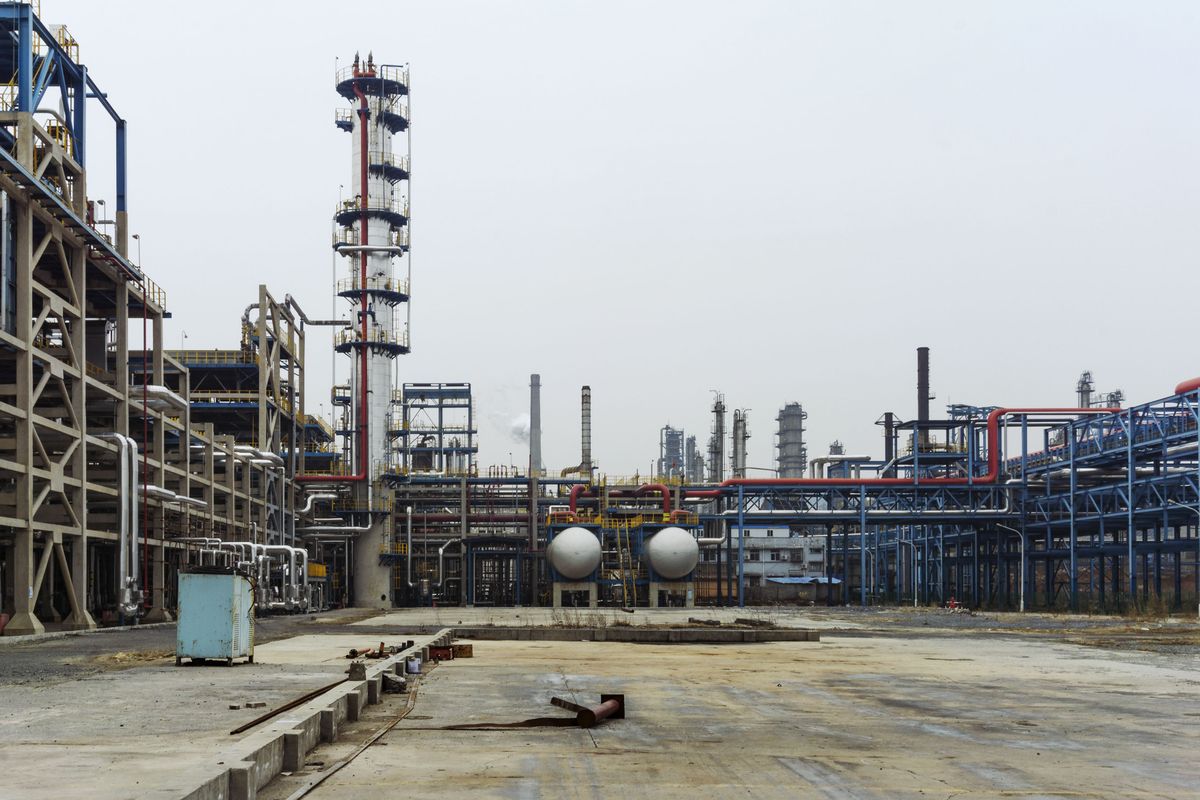
As tensions in Iran escalate, oil prices soar, impacting tech stocks, banks, and consumer giants. Energy producers emerge as the unlikely winners. What does this mean for tech and crypto?
Oil prices are surging, and it's reshaping the market space. The ongoing conflict in Iran has pushed crude prices to new heights, creating ripples across global industries. While some sectors scramble to adapt, others find unexpected opportunities.
Market Shockwaves
Visualize this: a geopolitical event transforming market dynamics almost overnight. The Strait of Hormuz blockade by Iran has become a critical bottleneck, sending oil prices soaring. On Monday and Tuesday, optimism prevailed with a belief in a swift resolution. But by week's end, the reality sunk in as escalating tensions hit tech stocks and consumer goods hard.
Numbers in context: oil prices have jumped, influencing sectors dependent on energy. AI data centers, notorious for their insatiable energy appetite, are feeling the pinch. The tech industry's reliance on electricity, from fossil fuels like oil and natural gas, adds layers of complexity as prices rise. Tech giants face higher operational costs, while banks and consumer goods brace for the economic ripple effects.
Energy Producers' Windfall
Not everyone is losing. Energy producers and utility services are reaping the benefits of spiking oil prices. In a week where most indices ended in the red, these sectors stood out, painting a stark contrast against a backdrop of falling tech stocks.
Here's the thing: while higher oil prices strain tech and banking sectors, energy stocks enjoy a resurgence. But is this boon sustainable? As long as geopolitical tensions persist and energy demands remain high, energy producers could see continued gains.
The Crypto Angle
So, where does cryptocurrency fit into this? The decentralized market often shows resilience to traditional market upheavals. Yet, crypto isn't immune to energy costs. Bitcoin mining, heavy in electricity consumption, faces its own set of challenges.
But here's a twist: crypto's decentralized nature offers a hedge against geopolitical risks. Investors may see digital currencies as a safe harbor amid market instability. Could this crisis drive more interest in crypto as a financial refuge?
Final Thoughts: Winners and Losers
The chart tells the story of a tumultuous week. As oil prices spike, the market reacts. Tech, banking, and consumer goods suffer, while energy producers thrive. The trend is clearer when you see it: energy rules the week.
In this volatile environment, crypto presents both risks and opportunities. The rising energy costs challenge mining operations, but digital assets' independence from geopolitical risks might attract investors seeking stability.
So, who really wins in this scenario? Energy producers gather windfall profits, while cryptocurrencies may gain allure as a hedge. As we navigate these complexities, it's clear that the market's fluid nature continues to surprise, and redefine paths for investors.
Explore More
Key Terms Explained
The first cryptocurrency, created in 2009 by the pseudonymous Satoshi Nakamoto.
Digital money secured by cryptography and typically running on a blockchain.
Not controlled by any single entity, authority, or server.
The fee paid to process transactions on Ethereum and similar blockchains.