
How Investors Are Hedging Against Market Volatility: A Look at Staples, Energy, and Options
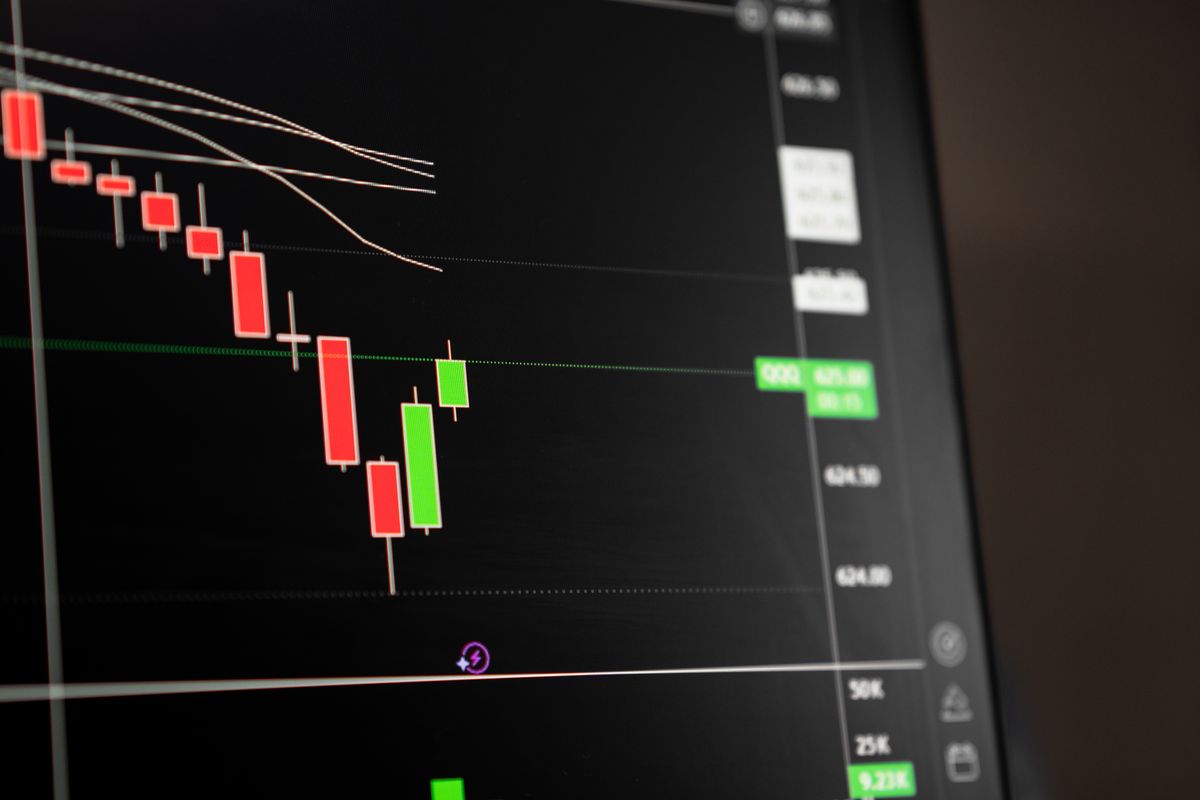
In times of geopolitical turmoil, investors aren't panicking. They're strategically turning to sectors like energy and materials. Options also play a key role in hedging bets.
Why aren't investors panicking amid geopolitical upheaval? That's the question on many minds as markets react to global tensions. Interestingly, some investors are opting to look through the volatility, choosing strategic plays over knee-jerk reactions.
The Raw Data
Market volatility has been palpable, yet certain sectors remain attractive to investors. Industries like staples, energy, materials, and industrials are catching attention as strategic plays. The focus here isn't just random. Investors are also employing options to hedge, mitigating potential downsides.
The appeal of these sectors isn't accidental. Energy and materials are typically defensive in nature, offering a buffer amid uncertainty. Staples, known for their steady demand regardless of economic cycles, provide a similar safe haven. Meanwhile, industrials offer opportunities for growth, albeit with certain risks.
Context in the Bigger Picture
Why choose these sectors now? History rhymes here. Geopolitical events often trigger market fluctuations, yet investors with a long-term horizon have seen similar waves before. The data is unambiguous. Historically, these sectors have often been shelters during economic storms.
Traditionally, energy and materials tend to outperform during such times, largely due to supply and demand dynamics that work independently of broader economic trends. Staples provide consistent returns, even when consumer spending tightens.
What Insiders Are Saying
According to traders, the current strategy involves a mix of sector rotation and options trading. Options are increasingly popular as they allow investors to hedge against market swings without overcommitting capital. This is a tactical response to manage risk without sacrificing potential upside.
Some view this as a smart play. While nobody can predict market movements with precision, hedging through diversified sector exposure and options seems prudent. It's not speculation. Arithmetic drives these decisions.
What's Next
So, what's next on the horizon? Investors should keep an eye on upcoming policy decisions and geopolitical developments that could further shape market dynamics. Watch for key economic indicators and earnings in the coming months, particularly in these chosen sectors.
Also, monitor the options market closely. Changes in options activity could provide insights into investor sentiment and potential market shifts. If losses hold through the weekly close, that might signal a broader trend worth noting.
In a market where volatility is a constant, the strategy isn't just about weathering the storm. It's about knowing which ship to sail. Are you ready?
Key Terms Explained
A company's profits, typically reported quarterly.
Taking a position that offsets potential losses in another investment.
Contracts giving the right, but not obligation, to buy (call) or sell (put) an asset at a set price before expiration.
The overall mood or attitude of market participants toward an asset.