
European Heat Wave Hits 40°C: Infrastructure Strains and Economic Ripples
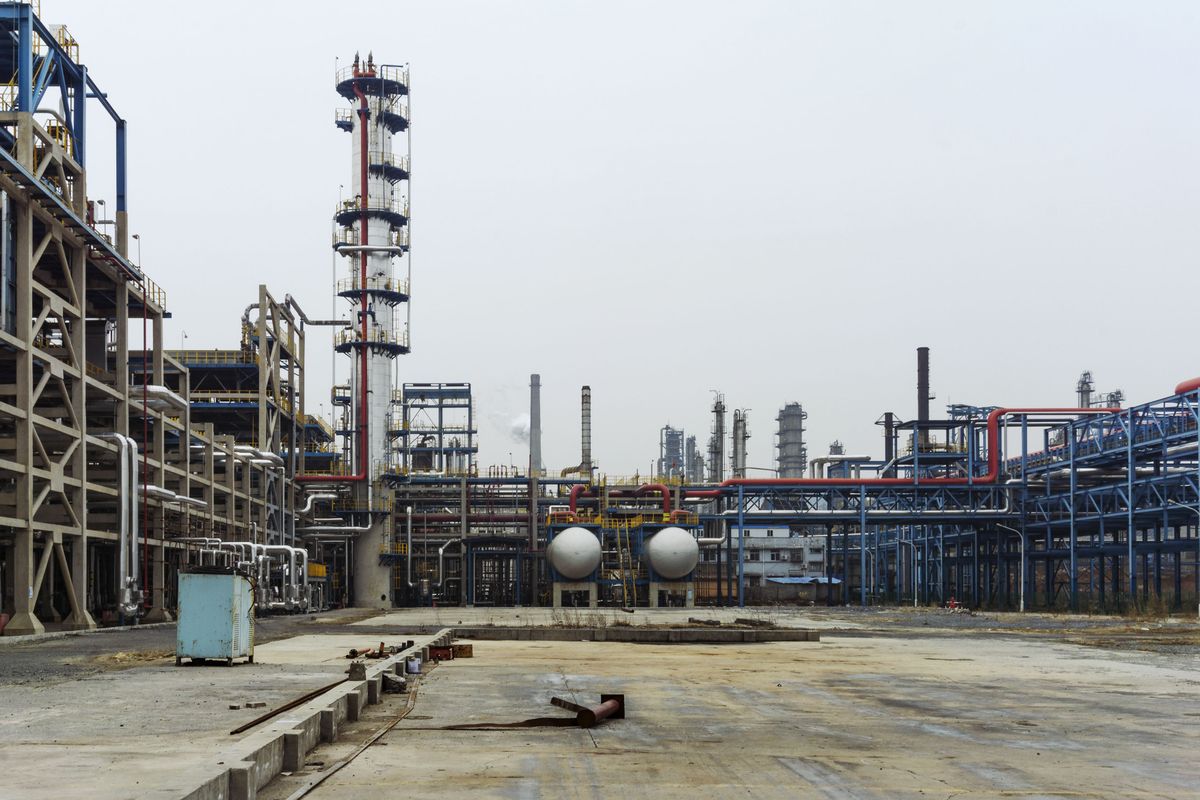
As temperatures soared to 40°C across Europe, highways and railways in Germany faced severe strain. With climate change as a backdrop, how will these disruptions impact not just infrastructure, but the broader economy, including the crypto market?
German infrastructure was put to the test as a searing heat wave swept across Europe, pushing temperatures to an extreme 40°C (104°F). The renowned Autobahn, a symbol of German engineering prowess, faced unexpected closures due to concrete damage, while train operators like Deutsche Bahn warned against nonessential travel. These events underscore a harsh reality: Europe is grappling with weather it's ill-prepared for.
Chronology of the Heat Wave
This latest climate phenomenon began its journey in Western Europe, baking the region before moving eastward into Germany and beyond. As the heat intensified, the German Autobahn saw sections of its concrete explode under pressure, particularly on the A2 route near Berlin. Meanwhile, rail services suffered delays and disruptions, with operators urging passengers to reconsider travel plans.
In France, the situation was no less dire. Parisian hospitals activated emergency measures as temperatures soared past 40°C in several areas, prompting concerns over the capability of healthcare systems to manage such sudden spikes in demand. Hospitals treated nearly 3,000 patients in a single day, a staggering 30% above the norm.
The UK wasn't spared either. Record-breaking temperatures over three consecutive days culminated in a new June high of 37.3°C. Amid this, tragic incidents like a young man's drowning highlighted the risks associated with extreme heat conditions.
Impact on Infrastructure and Society
The immediate damage to Germany's highways and train networks not only disrupted travel but also highlighted vulnerabilities in essential infrastructures. The evacuations in German nursing homes underscored the lack of preparedness for such heat events. Historically, Europe hasn't required extensive air conditioning, but such heat waves may soon make it a necessity.
In France, the economic implications soared as high as the temperatures, with events like the Paris Pride march postponed and festivals canceled, hitting tourism and local businesses hard. The healthcare sector, already stretched thin, faced further pressure as facilities scrambled to accommodate surges in heat-related illnesses.
Financial markets, including crypto, aren't immune. As infrastructure falters, investor confidence might waver, affecting market stability. The broader economic impact of these weather patterns can't be ignored, especially when considering Europe's key role in the global economy.
Outlook: Climate Change and Economic Implications
, Europe's response to these climatic challenges will have significant implications. The World Weather Attribution study revealed that such heat waves have become 200 times more likely due to climate change. So, are we at the brink of more frequent infrastructure disruptions and economic challenges?
The urgency for greener solutions and enhanced infrastructure resilience is clear. If Europe fails to adapt, the economic cost could be staggering. For the crypto market, this could mean a push towards sustainable energy solutions, especially as environmental considerations grow in importance among investors.
Ultimately, Europe's ability to adjust and innovate in response to such climatic events will shape not only its future economic health but also its role in the global fight against climate change. The heat wave may have subsided, but the conversations it's sparked are just beginning.