
Energy Crisis Hits Farmers: Crypto's Unexpected Role in Agriculture's Battle
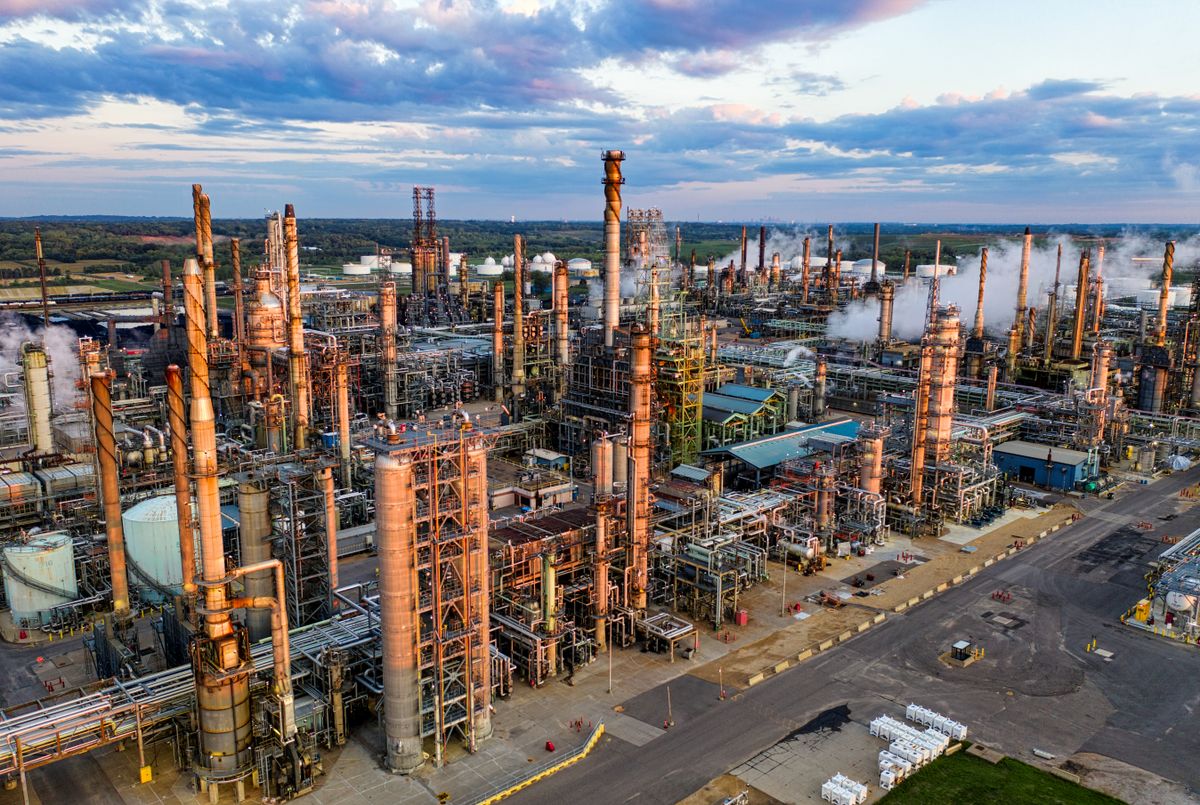
Farmers across Asia and Europe are grappling with fuel shortages due to the Middle East conflict, affecting food production. Could crypto offer a solution?
The global food supply chain is facing a new threat. Farmers from Asia to Europe are struggling with a severe scarcity of fuel required to operate machinery key for food production. This shortage stems directly from the energy supply disruptions caused by the ongoing conflict in the Middle East. As tractors stand idle in fields and harvesters fall silent, an unexpected player enters the scene: cryptocurrency.
Farms in Limbo
The story starts with the fields. Imagine a vast expanse of wheat in Ukraine or rice paddies in Vietnam, both essential to feeding millions. These farms aren't just picturesque landscapes. They need fuel to drive tractors, power irrigation systems, and transport goods to markets. With the Middle East conflict hampering oil supply routes, farmers are left in the lurch, scrambling to find alternatives.
This crisis isn't just a statistic. It's real and worsening. According to recent reports, fuel prices have surged by over 30% in key agricultural regions since the conflict began. For smallholder farmers who operate on razor-thin margins, this uptick isn't merely inconvenient, it's catastrophic. Many face a choice: let crops rot or spend beyond their means to keep operations running.
Cryptocurrency's Surprising Involvement
So, where does crypto fit into this agricultural puzzle? We aren't just talking about a digital currency play. Instead, decentralized finance (DeFi) platforms using blockchain technology are emerging as potential saviors. By providing access to capital without the traditional banking constraints, they offer a lifeline to farmers seeking quick liquidity.
But does this mean a farmer in Thailand or Poland should swap euros or baht for Bitcoin? Not exactly. Instead, these farmers can tap into DeFi lending platforms that accept collateral in various forms, allowing them to acquire the funds needed to purchase fuel despite local shortages.
Here's the thing: the adoption of crypto solutions in agriculture could indeed spark a revolution, especially in regions where traditional banking is limited. Mobile money came first. Crypto is the second wave.
However, this isn't without challenges. The volatile nature of cryptocurrencies can be a double-edged sword. While it provides an alternative source of funds, what happens if the value of Bitcoin swings wildly?
Winners, Losers, and What's Next
In this energy and agriculture nexus, there are clear winners and losers. Fuel suppliers and energy companies may face declining revenues as farmers seek alternative fuels or reduce operations. Conversely, DeFi platforms and crypto exchanges stand to gain, expanding their reach into the agricultural sector.
But is crypto the silver bullet for agriculture's woes? Skeptics argue that it isn't yet the right fit for small, rural farmers lacking the tech infrastructure or digital literacy to adopt such systems. However, Africa isn't waiting to be disrupted. It's already building. It's not about banking the unbanked. it's about empowering the mobile-native farmer to thrive in a digital-first world.
In the end, the key takeaway is that the current energy crisis need for diversification in how agricultural operations are funded and powered. If fuel shortages teach us anything, it's that reliance on a single energy source or financial solution is fraught with risk. Will crypto address all these issues? Probably not. But it might just be part of the answer.
Explore More
Key Terms Explained
The first cryptocurrency, created in 2009 by the pseudonymous Satoshi Nakamoto.
A distributed database where transactions are grouped into blocks and linked together cryptographically.
Assets you put up as security when borrowing.
Digital money secured by cryptography and typically running on a blockchain.