
Elon Musk's SpaceX Takes on Silicon Shortage with Multi-Billion GPU Fab
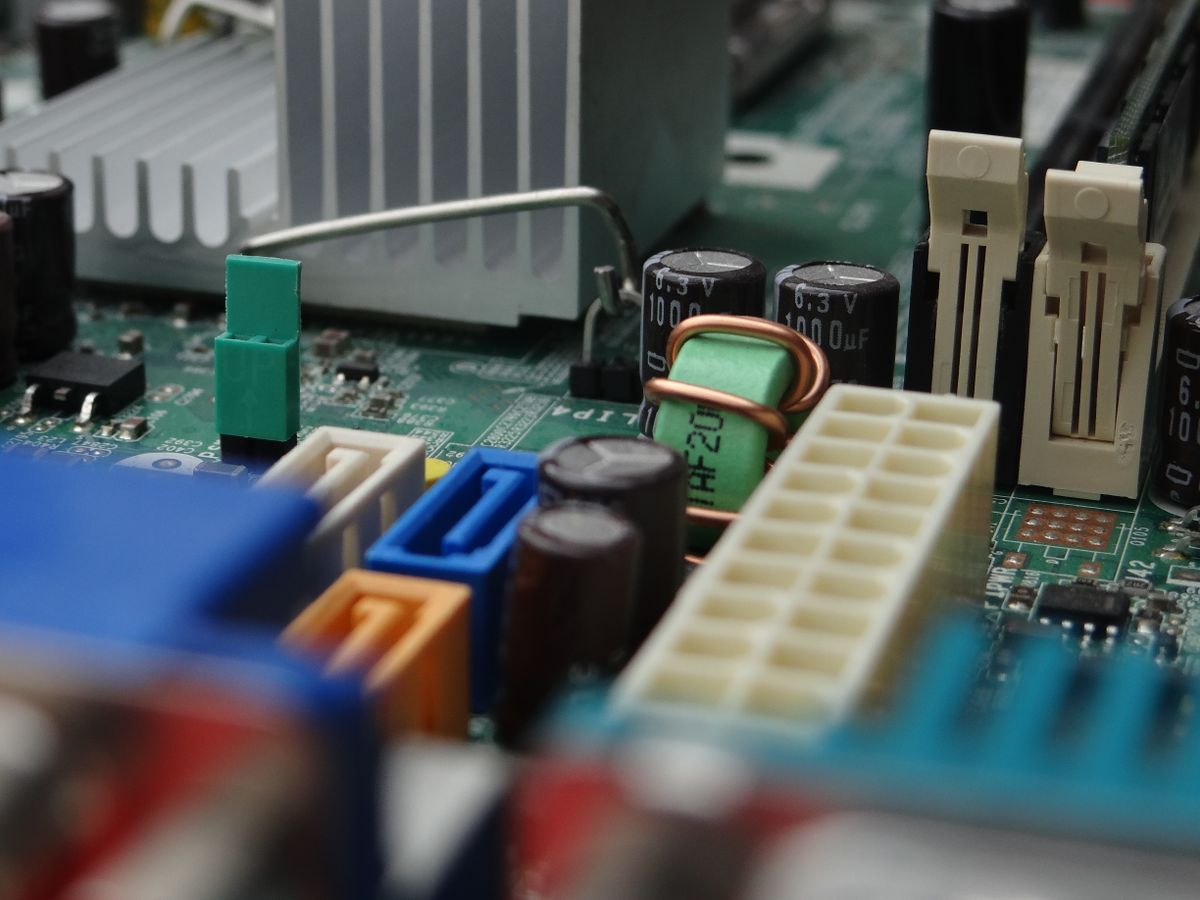
SpaceX faces a silicon supply crunch and plans to produce its own GPUs. This bold move changes the game for tech and crypto sectors. Who stands to benefit?
When I heard that Elon Musk's SpaceX is planning to build its own multi-billion-dollar fab to produce GPUs, my first thought was, "Of course, Musk would do that." It's a bold move in an industry that's grappling with major supply chain issues, especially silicon.
The Mechanics of SpaceX's Ambitious Move
Let's break this down. SpaceX is warning that it's struggling to get enough silicon for its needs. The answer? Make it themselves. We're talking about an enormous investment, possibly several billion dollars, to set up a fabrication plant dedicated to producing GPUs specifically for SpaceX's requirements.
Why GPUs? These are key for processing large amounts of data, particularly in areas like space exploration where computational power is everything. As of now, SpaceX relies on external suppliers, but those suppliers can't keep up with demand. The global chip shortage has hit everyone hard, and SpaceX is feeling the squeeze.
Imagine a factory churning out silicon, tailored for Musk's ambitious projects. This move isn't just about solving a supply problem. It's about gaining total control over a critical part of its operations.
Impact on the Tech and Crypto Worlds
So what does this mean for the broader tech industry and the crypto space? First, SpaceX entering the semiconductor manufacturing game is a wake-up call for traditional suppliers. If Musk can do it, what's stopping other giants? We could see a shift where more tech companies decide to take manufacturing in-house, reducing reliance on strained global supply chains.
For crypto, the implications are fascinating. GPUs aren't just for space missions. They're the backbone of crypto mining operations. Could SpaceX's venture into GPU production potentially spill over into the crypto mining sector? If they produce excess capacity, would they sell it off? The mere possibility could shake up the crypto mining hardware market.
But here's the twist. If SpaceX succeeds, they'll set a precedent. Their foray into manufacturing might encourage other tech behemoths and nimble startups alike to rethink their supply chain strategies. This could lead to a more decentralized production model across tech sectors, easing some of the silicon crunch.
My Take: The Winners and Losers
Here's my hot take. The winners in this scenario? SpaceX, obviously, and potentially the entire tech sector if this leads to more decentralized manufacturing. We might get better hardware availability and perhaps even more competitive pricing across the board.
The losers? Current GPU suppliers. If SpaceX doesn't need them anymore, what happens to their market share? Also, smaller players in the industry might find it even harder to compete if giants start making their own chips.
For crypto miners, the question looms: Will we see SpaceX GPUs in rigs someday? It's not a stretch to imagine. And if crypto miners get access to advanced, possibly cheaper, GPUs, the dynamics of crypto economics could shift yet again.
In the end, Musk's plan to produce SpaceX's own silicon could spark a wave of innovation and change across multiple industries. The question for everyone else is, "How do we adapt to this new frontier?"