
Drone Strikes and Oil Prices: How Middle East Tensions Impact Crypto's Course
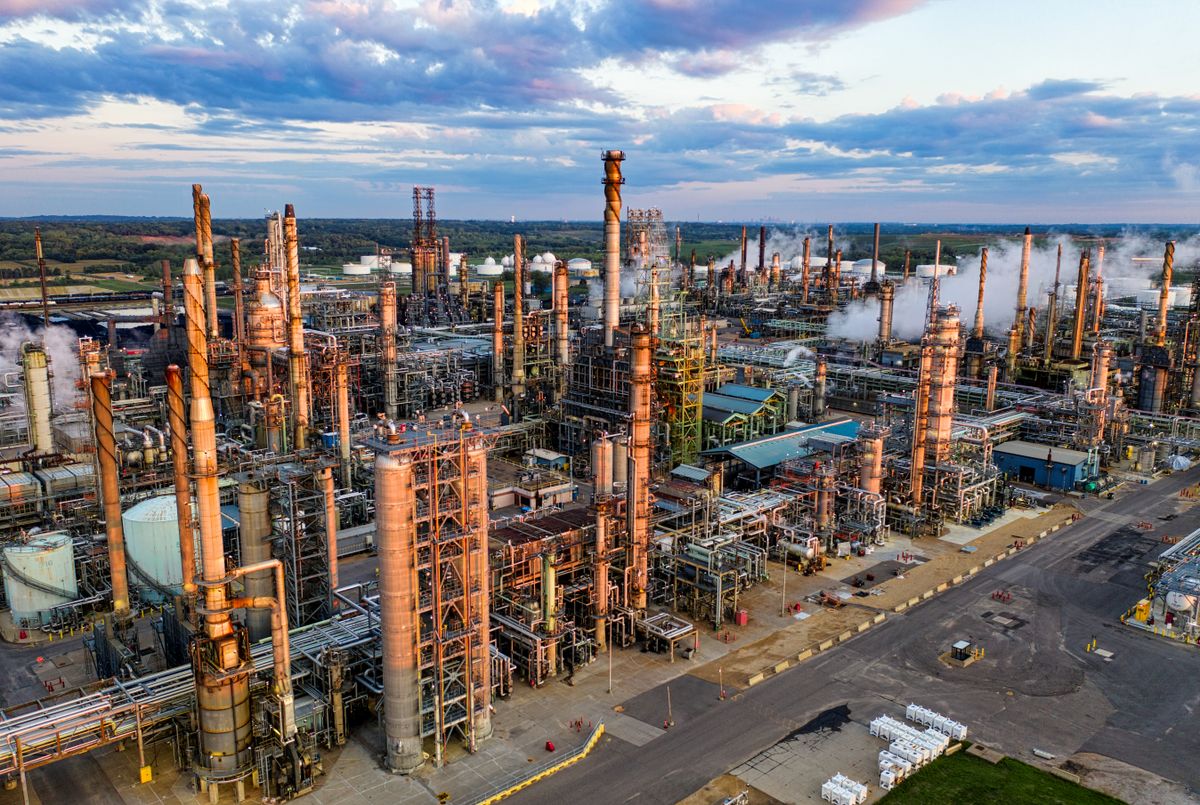
As geopolitical tensions flare in the Middle East, oil prices surge past $100, casting a shadow over the global economy. But how does this upheaval affect the crypto market?
Why is the Middle East suddenly at the center of attention for both traditional and digital markets? With oil prices shooting past $100 a barrel due to military escalations around critical oil hubs, investors worldwide are on edge. But here's the twist: how does this geopolitical turmoil ripple through the crypto market?
The Raw Data
Let's start with some stark numbers. On Saturday, a fire erupted near the UAE's Port of Fujairah, a key node in the global oil supply chain, thanks to debris from an intercepted drone. This incident didn't occur in isolation. Just a day earlier, the US had launched an attack on Iran’s Kharg Island, a major oil depot, halting most operations and triggering a sharp rise in oil prices. The International Energy Agency is now predicting a global oil supply reduction of 8 million barrels a day in March. These disruptions have already pushed oil past the $100 per barrel mark, a critical threshold for global economies.
The Bigger Picture
Historically, oil prices have been a bellwether for economic stability. When prices surge, they often foreshadow inflationary pressures and economic slowdowns. But this time, the narrative is more complex. The Strait of Hormuz, a important maritime passage, has seen its operations curtailed, prompting traders to reassess their portfolios. Against this backdrop, the price of oil isn't just a commodity story. it’s a geopolitical saga. The closure of this waterway affects nearly a fifth of the world's oil supply and has sent shockwaves through markets, forcing economies dependent on oil imports to rethink their strategies.
What Insiders Are Saying
According to market analysts, the rise in oil prices could drag on broader economic recovery efforts. This is especially true in energy-dependent nations. But here's where it gets fascinating: The crypto market, which many tout as a hedge against traditional financial instability, is itself undergoing a significant shift. Traders are watching Bitcoin closely, as its movement might signal shifts in risk appetite amidst this volatile economic world. Some institutional players are even effectively betting on Bitcoin as a proxy for digital gold amidst the chaos.
What's Next?
So, what should investors keep an eye on? For one, watch the ongoing military developments in the Middle East. Any further escalations could exacerbate supply chain issues and push oil prices even higher. This could indirectly benefit cryptocurrencies as investors seek refuge from traditional market turmoil. Moreover, keep an eye on the put-call ratio and implied volatility in crypto options as a barometer for market sentiment. With the International Energy Agency planning the largest coordinated oil release ever, set to drop 400 million barrels into the market, the effect on global inflation and, by extension, crypto's positioning will be important to observe.
In this complex web of geopolitical strife and economic uncertainty, one question lingers: Could these tensions inadvertently prove to be a proving ground for crypto as a true alternative asset class? The skew tells a different story as traditional markets grapple with higher costs, but the smart money might just be positioned for digital innovation driven by unforeseen global tensions.
Explore More
Key Terms Explained
The first cryptocurrency, created in 2009 by the pseudonymous Satoshi Nakamoto.
A basic good used in commerce that's interchangeable with other goods of the same type.
Taking a position that offsets potential losses in another investment.
The rate at which prices rise and money loses purchasing power.