
Devon Energy's Low-Cost Production: A Strategy that Defies Oil Market Volatility
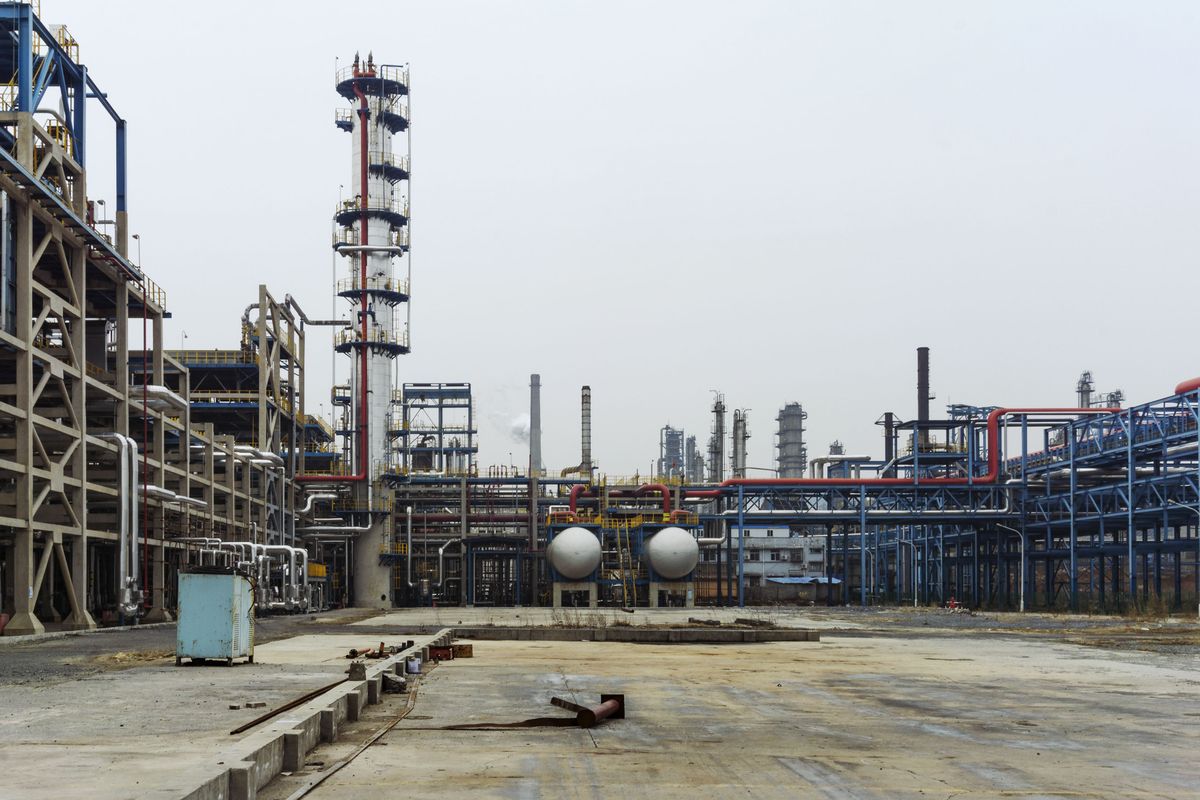
Devon Energy's unique approach to oil production keeps it profitable even when oil prices plummet. This strategy shields its dividends and growth potential in turbulent markets. how Devon pulls it off and what it means for energy investors.
Devon Energy is making waves with its fresh approach to oil production, positioning itself as a standout player in uncertain markets. With shares trading below $50, it's capturing attention for all the right reasons. The company's blend of low-cost production and smart capital returns isn't just a strategy, it's a long-term play that shows remarkable resilience.
The Devon Timeline
It all starts at the wellhead. Back in Q4 2025, Devon Energy reported production costs at $8.60 per barrel of oil equivalent (Boe), which came in 3% below their guidance. To put that into context, the West Texas Intermediate (WTI) price hovered around $64.51 per barrel in February 2026. That spread? That's Devon's secret sauce for staying profitable even when oil prices stumble.
Let’s backtrack a bit. Even during the oil crash in April 2020, when WTI prices nosedived to $16.55 per barrel, Devon didn’t break. They bent, sure, but they kept the operating cash flow running and dividends intact. Now, with a major merger under its belt, Devon's structural growth makes it even more formidable.
The Impact Unpacked
Here's the thing, Devon's strategy isn't just about weathering storms. This approach has real implications for investors and the market at large. Maintaining such a reliable margin of safety means Devon can sustain dividends and keep growth on track. Investors looking for stability in an often volatile market will find this especially enticing.
Who wins in this setup? The shareholders, mainly. But Devon's ability to produce cash flow under pressure also signals a solid future for its operations. And let’s not forget the broader energy sector, Devon's strategy could set a precedent for how to handle market fluctuations without losing the plot.
Looking Forward: What's Next?
So, what does this mean for Devon's future and those watching them from the sidelines? For one, their model proves that high efficiency and low production costs can provide a buffer against market volatility. If oil prices dip again, Devon's strategy will likely allow it to weather the storm better than competitors with higher production costs.
Real talk: Is Devon's approach a blueprint for the industry, or just an isolated phenomenon? There's a lesson here for other energy companies grappling with price uncertainties. Efficiency and smart capital returns can make all the difference.
In the end, Devon's story is more than just a tale of survival. It's about thriving in a market that's constantly shifting. If the energy sector takes a page out of Devon's playbook, we could see a shift in how companies manage resources and expectations. Anon, let me explain: this is bigger than people realize.