
Australia Promotes LNG amid Middle East Turmoil: A New Energy Playbook?
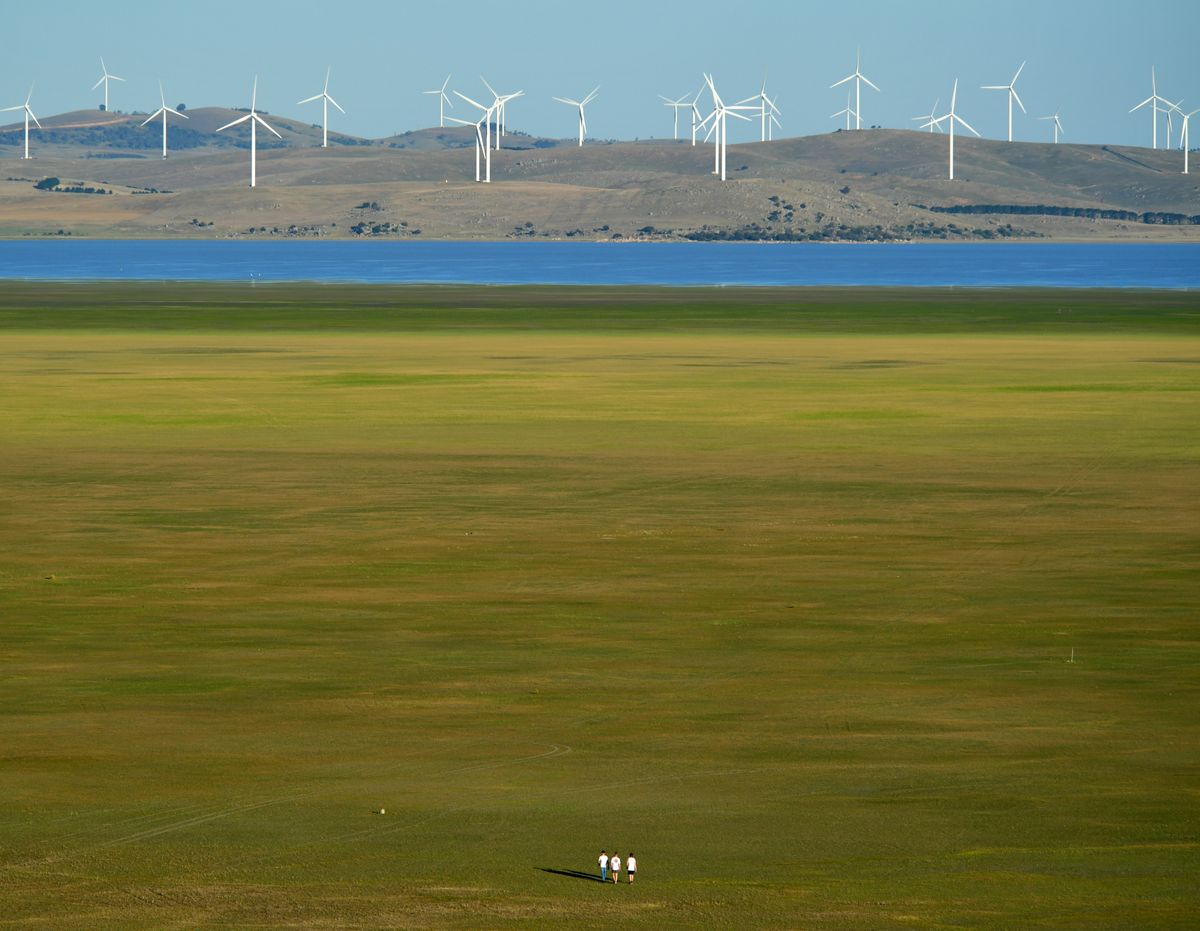
As the Middle East conflict disrupts global energy markets, Australia's government is pushing its LNG as a stable alternative. But what does this mean for crypto markets?
Amidst the upheaval in energy markets triggered by the ongoing Middle East conflict, Australia has stepped into the spotlight. The country is keen to position itself as a reliable supplier of liquefied natural gas (LNG) while urging international partners to pour more capital into its gas resources. It's an intriguing move, especially as the world looks for stability in volatile times.
Australia's Energy Gambit
Australia's government isn't holding back. With ongoing conflicts threatening energy supplies globally, they've seized the chance to highlight their strengths. A stable government, vast natural gas reserves, and established infrastructure make Australia a tempting energy partner. But they're not just looking for pats on the back. They're actively calling for increased investment from trading partners to boost their gas capabilities.
This push comes as other energy-exporting nations, bogged down by political turmoil, can't ensure consistent supply. Australia aims to fill that gap. Could this be the start of an energy renaissance Down Under?
Numbers paint an optimistic picture. Australia's LNG exports brought in over $50 billion last year. Imagine the potential growth if international investments start flowing in stronger. Asia, of course, stands to be a major consumer, with its insatiable energy appetite.
Implications for Crypto and Global Markets
But what's the tie to crypto markets? Stability in energy supply directly impacts mining operations. Cheaper, reliable energy means lower costs for miners. And Asia moves first in adopting technologies that can take advantage of this. As crypto markets brace against regulatory uncertainties, a stable energy supply counteracts potential disruptions.
The potential winners here are clear. Mining operations in Asia could see reduced operational costs. That might translate to more competitive mining rates, especially as Bitcoin's next halving event approaches, squeezing profitability margins. The losers? Countries that can't compete with Australia's consistent energy supply risk losing out on hosting large-scale mining operations.
Here's the thing. Does Australia’s position as an energy stalwart stabilize the crypto market, or does it merely shift the power dynamics? While Western media might concentrate on the political aspects, the economic ripple effects are just as important.
Energy Security's New Role
So, what's the takeaway? Australia's proactive stance in the energy sector isn't just about filling a gap. It's about reshaping global energy narratives. The call for increased investment isn't just a plea. It's a strategic initiative to bolster Australia's position in global energy supply chains.
For crypto enthusiasts, energy stability is synonymous with operational viability. As the world tilts towards renewables, nations rich in gas reserves like Australia hold a unique advantage. Crypto mining operations and other energy-intensive processes might start leaning more on this newfound stability.
In a world where jurisdictional shifts define market moves, energy security might just be the new frontier. Australia seems to be writing a different playbook, and the crypto world should take note. The capital isn't leaving crypto. It's pivoting towards regions that can promise consistency.
Explore More
Key Terms Explained
The first cryptocurrency, created in 2009 by the pseudonymous Satoshi Nakamoto.
The fee paid to process transactions on Ethereum and similar blockchains.
When Bitcoin's block reward gets cut in half, happening roughly every four years.
Using computational power to validate transactions and create new blocks on proof-of-work blockchains.