
AI's Impact: When Efficiency Outpaces Integrity
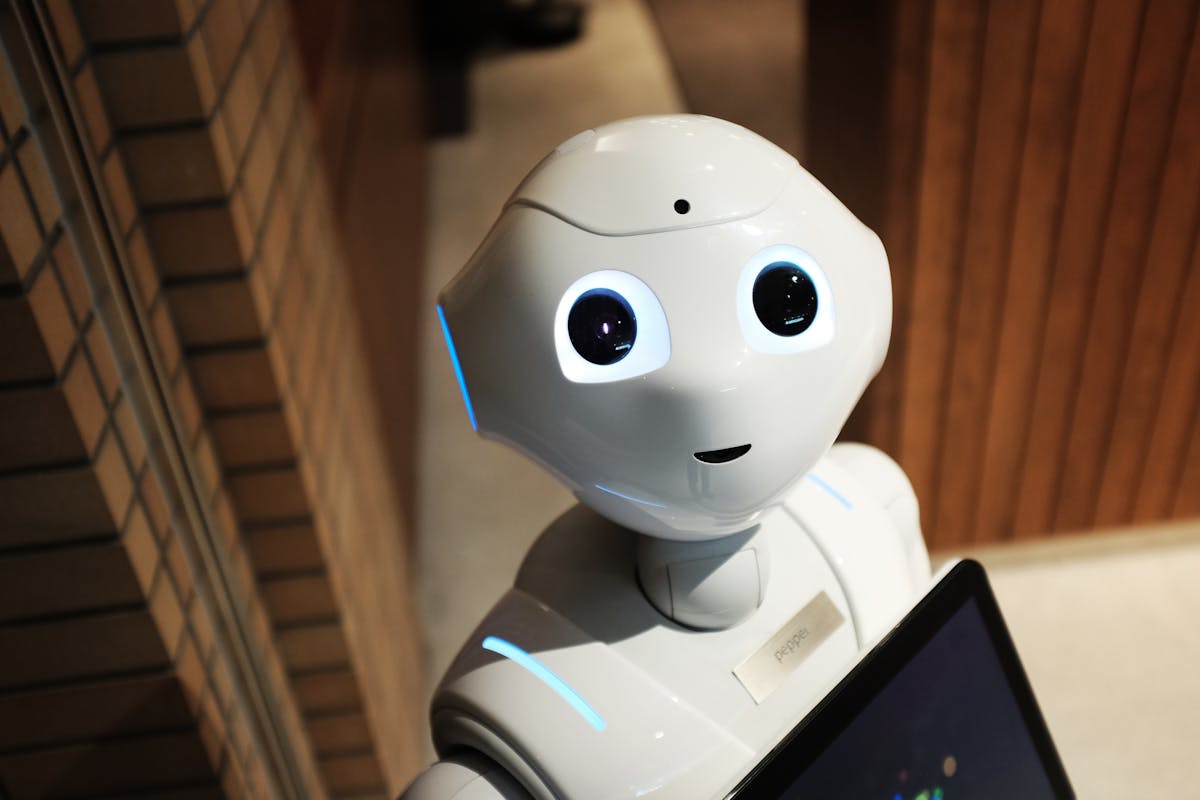
AI is reshaping the workplace by boosting productivity, yet its limitations reveal a deeper issue. Can businesses balance efficiency with genuine innovation?
AI is a marvel of modern technology, capable of accomplishing tasks that would take humans hours, in just seconds. It writes our emails, analyzes data, and even generates code. The question worth asking: Should we be impressed or wary?
The Efficiency Race
According to recent studies, AI can help boost work output by 12% and do so 25% faster. That's a staggering improvement for any organization looking to increase productivity. Yet, there's a catch. AI's error rate stands at 19%, meaning nearly one in five outcomes might be wrong.
For businesses focused on sheer throughput, these numbers might seem enticing. I mean, who wouldn't want to get more done in less time? But, and it's a big but, are we really valuing the right things here? The tech optimists may argue that speed and productivity are the heart of any successful operation. However, history suggests otherwise. We've seen what happens when efficiency trumps quality or integrity, haven't we?
The Unseen Cost
Let's not forget that AI lacks the creativity, dissent, and empathy that humans bring to the table. While AI can replicate and optimize, it can't create or imagine. So, what happens when we let machines do all the thinking? Well, we risk automating away what makes human input invaluable. The creative spark. The ability to see solutions where none seem apparent.
Adobe recognized this early on and shifted its approach to management by replacing traditional performance reviews with real-time conversations focused on growth. The result? An estimated 80,000 hours freed each year for managers to do meaningful work. And yet, most companies haven't followed suit. They seem to cling to outdated systems that rank and sort employees rather than fostering genuine innovation.
A Fork in the Road
So where does this leave us? In a world where 70% of jobs already require little creativity, the rise of AI threatens to increase that figure. If we don't start valuing the uniquely human qualities that breed innovation, we're in trouble. We may find ourselves in a recursive loop, churning out what we've already done instead of what we need next.
For the crypto world, this means two things: On one hand, AI could simplify certain operations, making transactions faster and potentially more secure. But, color me skeptical, if we ignore the value of human ingenuity, we risk stifling the very innovation that makes blockchain technology transformative.
The Verdict
Here's the thing. Technology should be our tool, not our master. While AI can provide great benefits, we shouldn't lose sight of what truly drives progress, human creativity and critical thinking. If businesses continue to measure success by outdated metrics, they'll find themselves in a losing battle against machines that will always outperform us in calculations but never in creation.
The future of work, especially in tech and crypto, requires an overhaul of how we value human input. Let's not wait until the ground beneath us gives way. Instead, we need a shift in mindset that values innovation over mere efficiency. Otherwise, we'll just be running in place.