
AI's Double-Edged Sword: Lower Wages but Cheaper Living Costs
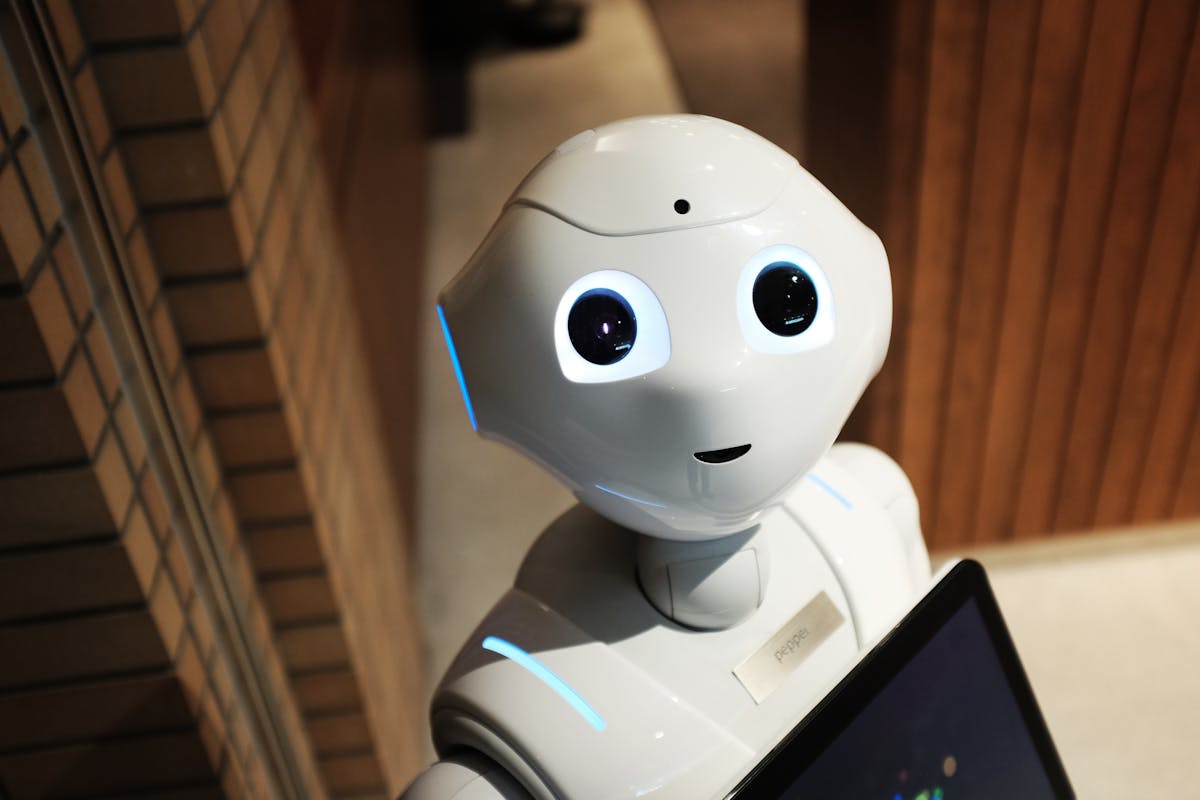
AI might lower wages but could also make consumer goods cheaper, boosting your real purchasing power. Is this the tech revolution we need?
Artificial Intelligence is shaking up the job market, and it's not all bad news. While there's a real concern about AI potentially driving down wages, the flip side could mean a world where goods and services cost less. In a universe where every dollar goes further, are we focusing too much on salary numbers?
The AI Story Unfolds
The whispers of AI impacting our wallets started gaining traction with experts like Yale's Pascual Restrepo. He argues that the fear surrounding wage cuts might overshadow the real benefits. Why? Because if AI can perform tasks for a fraction of the cost, it can also make everything from groceries to gadgets cheaper.
Clara Shih, a former Salesforce AI CEO, points out that historically, new technology doesn't just lead to layoffs. Instead, it's more about 'wage resets', a phrase I bet we'll hear more often. This isn't just a prediction. It's a pattern we've seen time and again. As AI tools become more common, businesses are experimenting with replacing expensive human labor with cheaper machine work.
Who Wins, Who Loses?
Here's the reality check. In the short term, workers in roles susceptible to automation might find themselves in a tough spot. You see, this is about more than jobs disappearing. It's about the dollar value of those roles changing drastically. If AI adoption accelerates, as Ioana Marinescu from the University of Pennsylvania suggests, we might hit a tipping point where AI replaces rather than augments human workers.
But here's the kicker. If AI lowers the cost of living, even those with reduced wages might not necessarily feel poorer. It's a balancing act, this new economy. In Buenos Aires, stablecoins aren't speculation. They're survival. Could a similar dynamic play out in the AI economy?
On the flip side, companies could benefit immensely from AI. Lower costs mean higher margins, potentially for more innovation and growth. So, the question is: will these savings be passed on to the consumers or kept in corporate coffers?
What Comes Next?
We're in a wait-and-see phase, as Pascual Restrepo describes it. Firms are just starting to figure out how to best harness AI capabilities. The big question isn't just about when but how this tech revolution takes shape. As AI continues to evolve, we'll likely see shifts not just in how much we earn, but in what our earnings can buy.
So, what's the future looking like? If AI indeed makes everything cheaper, we might live in a world where 'low wages' isn't synonymous with 'low quality of life.' But that's a big 'if,' and it depends heavily on how companies choose to implement AI solutions.
For now, it's about watching and waiting. Are we underestimating the potential for AI to actually improve quality of living? Or are we too focused on the dollars in our paychecks? This technological tug-of-war could redefine how we measure economic success. In the end, isn't it about the quality of life, not just the numbers on a pay stub?