
AI's Boomerang Effect: Why Companies Are Rehiring Jobs They Automated
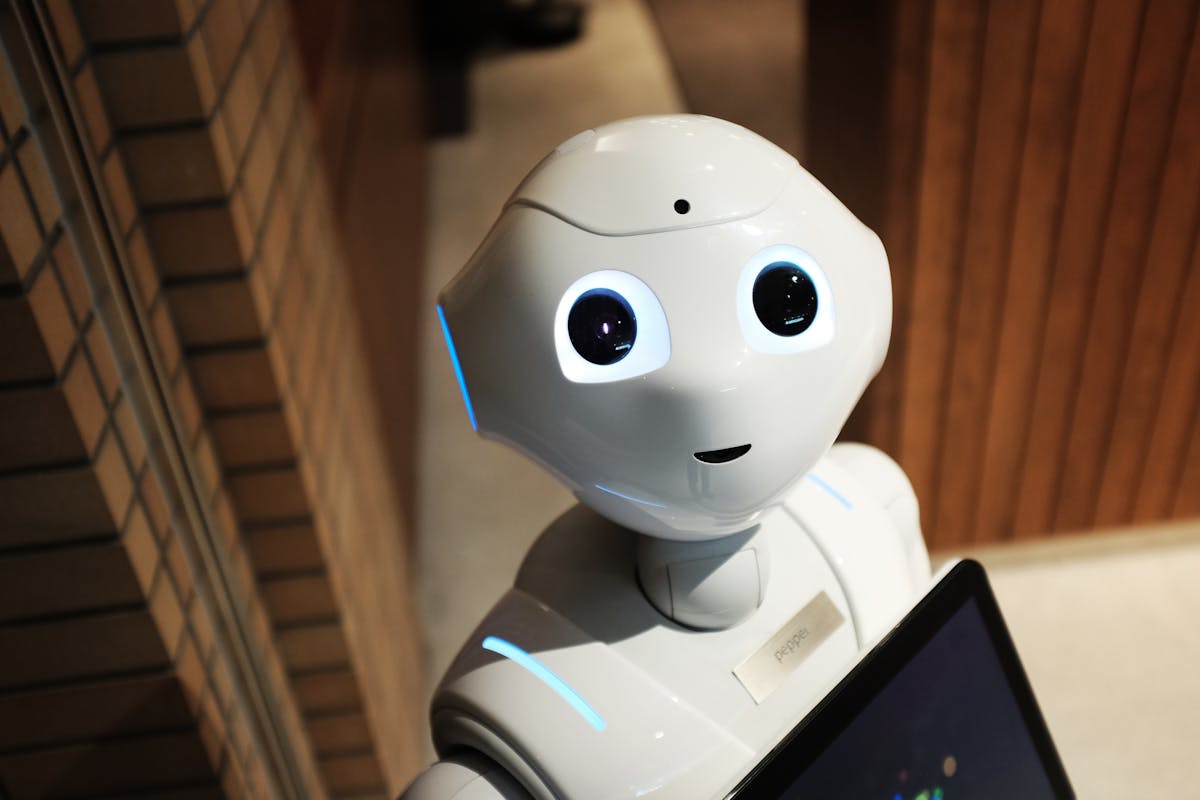
AI was supposed to simplify operations, but companies like Meta and Uber are rehiring for roles they once automated. The AI boomerang effect shows there's more to work than efficiency.
AI was hailed as the workplace revolution. Cut costs, boost efficiency, and automate your way to the future. But reality? It's a different story altogether.
The AI Rollercoaster: Layoffs and Rehirings
Over the past year, big names like Meta, Cloudflare, and Coinbase have made headlines with AI-driven layoffs. Meta alone axed 10% of its workforce in a bid to simplify through AI, with plans to pump up to $135 billion into AI initiatives. Yet, the rush to automate has backfired in quite an unexpected way.
Research from Robert Half shows 32% of hiring managers admit they laid off workers due to AI's productivity promises, only to rehire those roles later. Why? Because AI isn't the cure-all they thought. Megan Slabinski from Robert Half put it bluntly: businesses saw efficiency gains, but they also stumbled upon gaps in quality and oversight as demands increased.
And here's a kicker, a Gartner prediction suggests half of all companies that replaced roles with AI will be rehiring by next year. It's a boomerang effect, and it's hitting hard.
What This Means: Winners and Losers
So, who's winning and losing in this AI tug-of-war? Let's break it down. Companies that cut too deep into their human resources pool are now scrambling to patch up the holes left by machines that can't think critically or adapt to new challenges. AI brought in productivity, sure, but it couldn't replace the nuanced decision-making and institutional knowledge that humans bring to the table.
In sectors like finance (44% rehiring), tech (32%), and HR (35%), businesses are feeling the pressure to reintegrate human roles. Yet, they’re not alone. Marketing, legal, and healthcare sectors are trailing close behind. AI might assist, but it can't fully own outcomes, particularly where relationships and hands-on support are key.
And, in a twist, CEOs like Uber's Andrew Macdonald and Box's Aaron Levie are waking up to AI’s actual cost versus return. The tools are expensive, and the promised ROI isn't so clear. Uber now has monthly AI spend caps, and Microsoft has shuffled back to in-house models, highlighting a clear struggle to balance tech costs with practical returns.
Real Talk: The Future of Work
Real talk: AI isn't going anywhere. But it's not replacing us either. The shift we're seeing is less about elimination of jobs and more about redefining them. The so-called boomerang effect highlights something critical: humans are irreplaceable for now in areas demanding judgment, creativity, and relationship-building. AI may boost efficiency, but the human touch still closes the deal.
That said, trust between employers and employees has taken a hit. Companies need to communicate transparently about how AI fits in and acknowledge that it's a tool, not a solution. Slabinski emphasizes the need for transparency and recognition of human contributions. This is bigger than people realize, missteps in AI strategy aren't just blips. they're signposts signaling how we need to recalibrate our understanding of work.
So, what's the takeaway here? Companies jumped the AI gun. But as they course-correct, they're learning a valuable lesson: technology can't replace everything. The chain doesn't lie. The future of work is collaborative, demanding both AI's efficiency and human intuition. The smart play? Adapt and align, or risk getting caught in the boomerang effect.