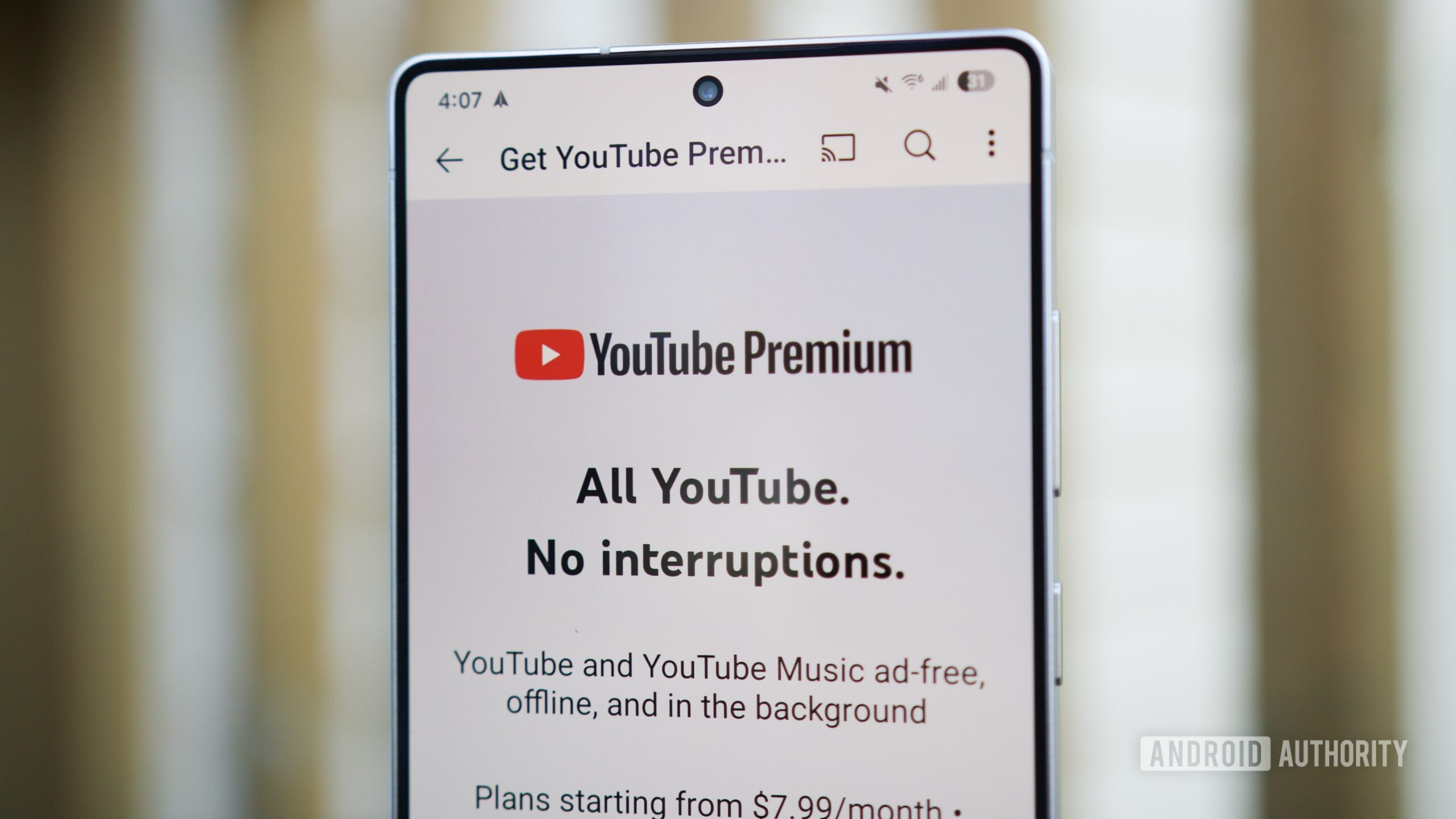
YouTube Premium Users Face Unexpected Ads on Google Home Devices
YouTube Premium subscribers are reporting annoying ad interruptions on their Google Home devices. This issue raises questions about subscription value and Google's reliability.
What Happened?
Imagine settling down for a relaxing evening, ready to listen to your favorite tunes without a single interruption. You hit play on YouTube Music, and suddenly, ads blast through your speakers. This nightmare scenario is becoming a reality for many YouTube Premium users who rely on Google Home devices. Complaints have surged about ads playing unexpectedly between songs, a feature many believed their subscription would eliminate.
Users have flocked to social media to voice their frustrations. Some report not just ads, but also longer delays in music playback and random song selections. It’s a frustrating turn of events, especially for those who pay $11.99 a month for the Premium experience, an expense that’s supposed to guarantee ad-free listening.
What Does Google Say?
In response to the uproar, Google acknowledged the situation, confirming that it is investigating playback issues affecting certain Google Home devices. However, many users are left wondering how such a significant glitch slipped through the cracks. It’s easy to feel like Google is prioritizing new features and products over the reliability of existing services.
Listening to music without interruptions seems like a basic expectation. Yet, here we are, and it raises questions about the value of YouTube Premium. Users want a consistent experience, and when technology fails to deliver, it shakes the trust that keeps them subscribed. Google needs to act quickly to reassure users that their subscription still holds value.
The Financial Implications
With YouTube Premium subscriptions estimated to number over 80 million worldwide, a glitch like this could have ripple effects. If users begin to question their investment, there’s a real risk of cancellations. This could hit Google in the wallet, especially as competition in the streaming space heats up. Spotify and Apple Music are not sitting idle. they constantly reinvent their offerings to attract more users.
Consider the $11.99 per month subscription fee. Multiply that by 80 million subscribers, and we’re talking about a massive $959 million in revenue a year. If this issue leads to cancellations, Google could see significant losses. For a tech giant with billions in the bank, it may not seem impactful at first glance. Yet, it highlights a critical area where user satisfaction directly correlates to revenue.
The User Experience and Trust
This incident has broader implications for user experience and trust in tech companies. Tech users today expect flawless service, especially when they’re paying a premium price. When things go wrong, it’s not just a temporary annoyance. it brings into question the overall reliability of a platform. The fallout may lead to a decline in user trust, which is hard to rebuild.
As consumers, we need to hold companies accountable for their services. If we continue to accept subpar experiences, it sends a message that issues like this are acceptable. But let’s not kid ourselves, this isn’t just an inconvenience. It’s an affront to the very reason many subscribers chose YouTube Premium. The promise of an ad-free listening experience is fundamental to its value proposition.
Looking Ahead
This situation serves as a wake-up call for Google. Fixing the immediate playback issues is essential, but a more profound examination of their user experience and communication strategies is necessary. As they investigate, transparency will be essential. Keeping users informed can help rebuild trust and loyalty.
Moving forward, it’s imperative that Google not only resolves these playback issues but also reassesses the overall value of YouTube Premium. If the service can’t deliver the experience users expect, they’ll likely seek alternatives. In a crowded market where choices abound, retaining subscribers will require more than just an ad-free promise. It demands a commitment to quality that users can rely on, day in and day out.