Why Interior Design Fads Could Cost Homeowners Big in the Long Run
Trendy home decor choices might seem appealing, but experts warn they're often more hassle than they're worth. From impractical marble countertops to slippery laminate floors, here's why sticking to timeless designs may be the smarter investment.
In the world of interior design, trends come and go at a dizzying pace, each one promising to transform your home into a bastion of style and sophistication. But hidden beneath the allure of the latest fads are potential pitfalls that can lead to regretful decisions. This isn't just about aesthetics, it's a financial headache waiting to happen.
Unpacking the Story: Design Regrets
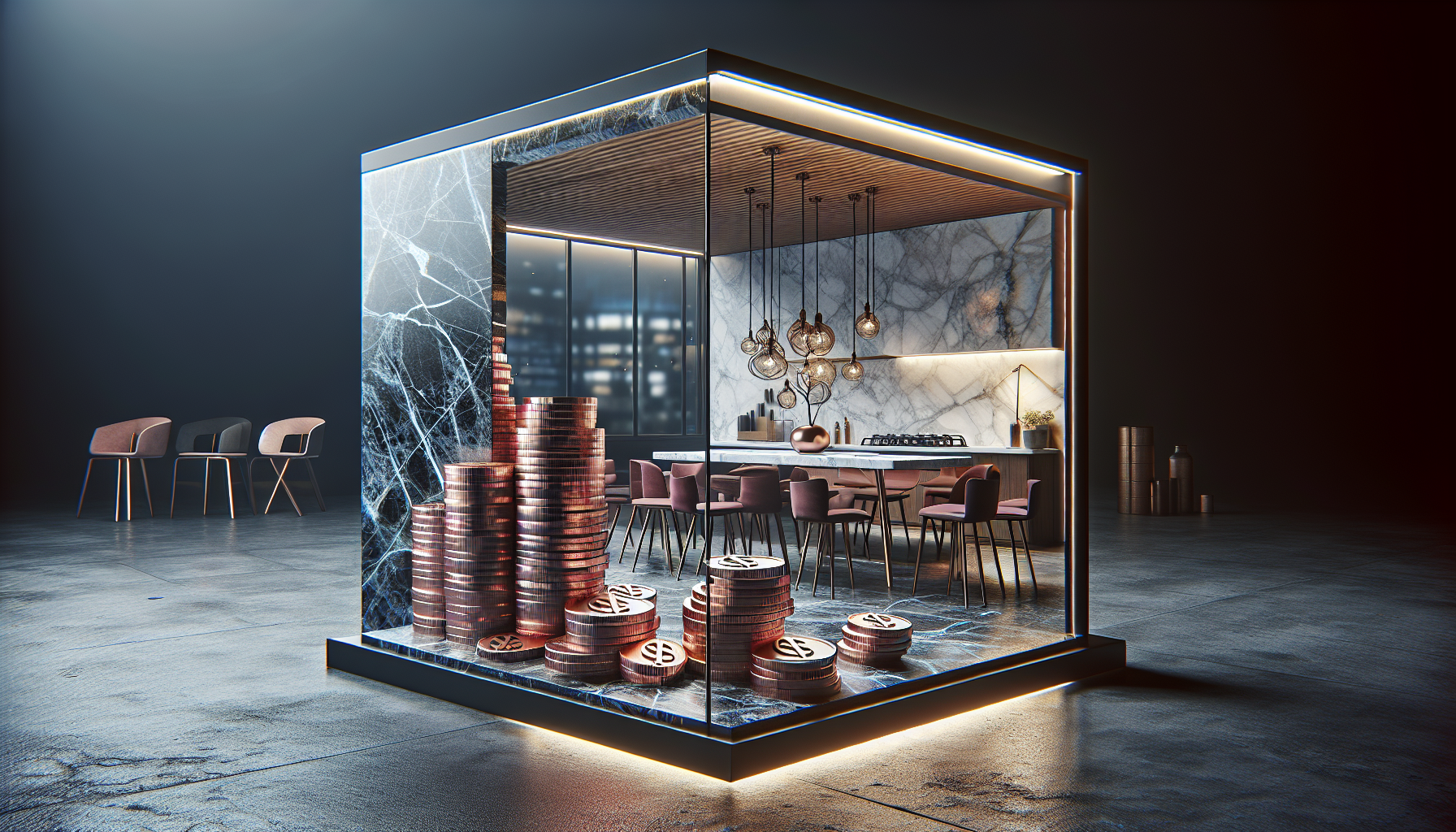
Interior design experts are sounding the alarm on several popular trends that homeowners may want to avoid. Take marble countertops, for instance. While undeniably beautiful, they're notorious for chipping and staining easily. Joe Cangelosi, from Joe Cangelosi Design, advises those who love spending time in their kitchens to opt for quartz instead. "Quartz offers the same elegance as marble, without the fragility," he suggests. For those seeking a natural vibe, granite may serve as a more durable alternative.
The story doesn't end with countertops. Patterned tiles, though striking, can become costly mistakes if they fall out of favor. Jessica Welling of Jessica Welling Interiors warns that while these tiles can make a bold statement, their permanence makes them difficult and expensive to replace. She recommends focusing on neutral colors for large areas and using accent walls or decor to inject personality. After all, who wants to invest heavily in something that might not withstand the test of time?
Another trap? Low-slung furniture, which can be a nightmare for anyone with mobility issues. Cangelosi points out that while sleek, modern pieces may catch your eye, they often lack practicality. The idea is to balance fashion with function, something that seems increasingly rare in today's design world.
Analysis: What's the Cost of Following Trends?
So what does this mean for homeowners eyeing the latest design trends? Following fashionable decor can lead to pricey renovations and the constant need to update your home to stay 'in style.' And it’s not just about the financial burden. The environmental impact of frequent home updates can’t be ignored either. Each new renovation means more materials, more waste, and ultimately more strain on resources. Is chasing the latest fads really worth it?
There's also an economic angle to consider here. A home brimming with short-lived trends could potentially lose value in the real estate market. Buyers are often looking for homes that won't require immediate changes. This shifts the narrative from just enjoying your space to thinking strategically about future resale value.
And let's not overlook the hassle factor. Low-hanging light fixtures might look chic, but if they're constantly getting in the way, the frustration might outweigh the aesthetic appeal. Similarly, the maintenance nightmare that comes with wall-to-wall white carpets is enough to drive anyone up the wall. Those stains aren't going to clean themselves.
Takeaway: Timeless Over Trendy
The takeaway is clear: timeless design choices bring peace of mind. They offer durability, ease of maintenance, and often lead to better long-term financial outcomes. Want to incorporate a trend? Use accessories or small decorative items that can be swapped out as your tastes evolve. This approach allows for personal expression without sinking your budget into something that might soon feel passé.
In the broader context, the importance of enduring investment over ephemeral enjoyment becomes apparent. Zoom out further, and it's easy to see that homes aren't just habitats, but assets. Ensuring their value stays intact, or even grows, should be a priority. After all, the macro backdrop suggests that economic stability is about more than just the stock market or crypto fluctuations. it’s a cross-asset story that includes your home.