US Economy Stumbles: Growth Slows Amid Government Shutdown and Trade Uncertainty
A recent dip in US economic growth sheds light on the challenges ahead. With the Supreme Court striking down global tariffs, the White House faces tough choices in trade policy.
The US economy, showing signs of vulnerability, grew at an annualized rate of just 1.8% during the last quarter of 2022. This is a stark contrast to the 3% growth economists were hoping for. Why the slowdown? A lengthy government shutdown, tepid consumer spending, and uncertainty around international trade have all played their part. As the economy grapples with these challenges, there's a pressing question: who comes out on top when the dust settles?
The Aftermath of the Government Shutdown
According to reports, the government shutdown that began in late 2022 was the longest on record. Many federal services stopped functioning, leaving millions without paychecks. Federal employees are consumers too. As their spending power dwindled, so did overall consumer confidence. Retail sales dipped. This isn’t just a temporary hiccup. It's a warning sign that the economy may be losing its footing.
When people worry about their jobs, they cut back on spending. That's exactly what happened. The consumer-driven economy took a hit. Many Americans are cautious and unwilling to splurge on non-essential items. And who can blame them? Rising prices and economic uncertainty make for a tough environment.
The Supreme Court’s Impact on Trade Policy
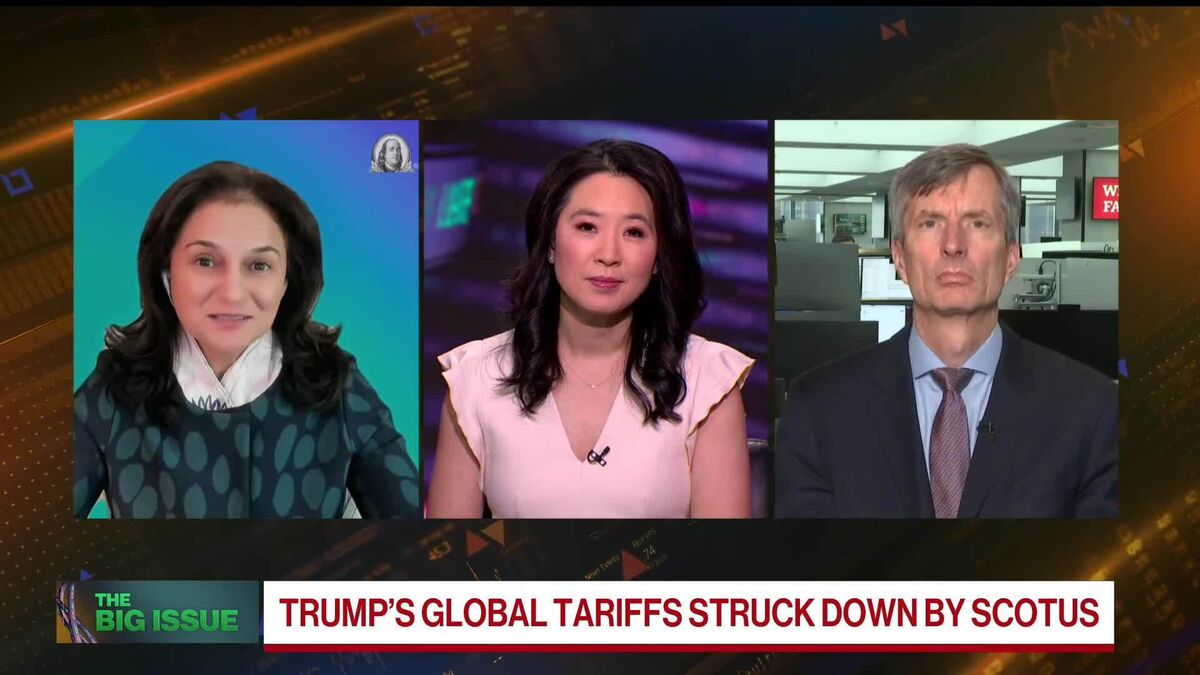
The Supreme Court's recent decision to quash former President Trump’s sweeping global tariffs has sent shockwaves through the trade landscape. These tariffs were meant to protect domestic industries but ended up becoming a controversial focal point of trade policy. With the court's ruling, the White House is now tasked with finding alternative ways to impose tariffs without facing legal challenges.
Some might argue this is a win for consumers. Lower tariffs could mean reduced prices for imported goods. Yet, that’s a double-edged sword for domestic manufacturers who may struggle to compete with foreign products. The administration’s next move will be essential. It has to strike a balance between protecting domestic industries and keeping consumer prices in check.
The Road Ahead: What’s Next for the Economy?
Expectations for the coming year are mixed. With consumer spending remaining a key driver of economic growth, analysts are watching closely to see if confidence levels improve. If the government can avoid further shutdowns and the trade policy stabilizes, there's hope for recovery.
However, inflation looms large on the horizon. The Federal Reserve has been under pressure to keep interest rates steady to avoid stifling growth. Will they be able to navigate this minefield? One wrong move, and the economy could face a downturn.
Winners and Losers in This Economic Shift
The current economic environment is a complicated chess game. On one side, consumers may benefit from lower prices due to the end of tariffs, which could encourage spending. Yet, domestic manufacturers are likely to feel the pinch. They need protection to remain competitive, but that could lead to higher prices for consumers in the long run.
Investors are also caught in this tug-of-war. With government policy shifting rapidly, market stability is far from guaranteed. If consumer spending strengthens, stock markets could react positively. If not, expect volatility. The next several months will provide critical indicators on whether the economy can regain its footing.
As we look forward, it’s clear that the stakes are high. Policy decisions made today will resonate for years. The government needs to navigate these challenges with care. If it doesn’t, both consumers and businesses could suffer in ways we can’t yet imagine.