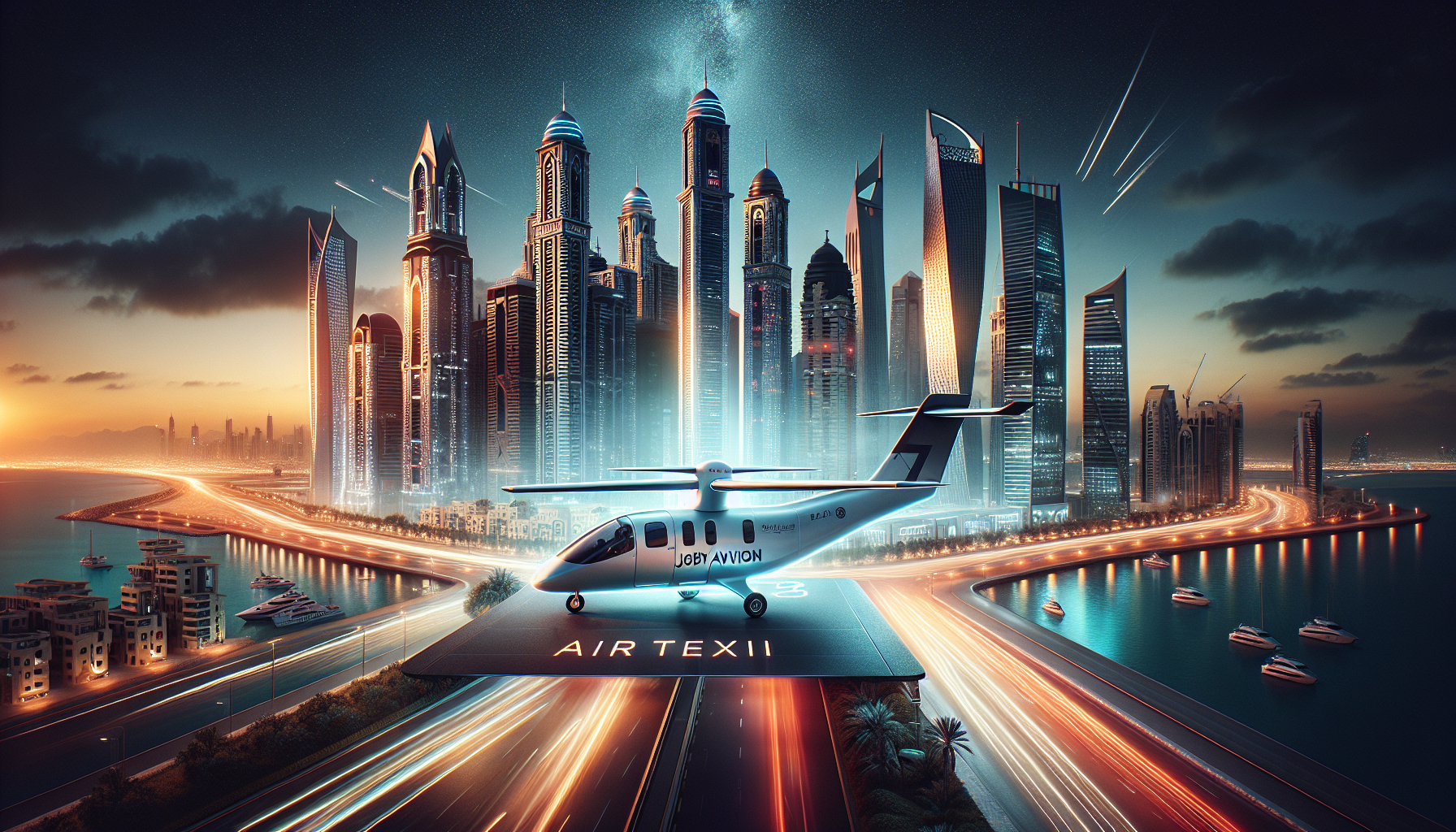
Uber Takes Flight: Air Taxis to Debut in Dubai, Sparking Global Race for Aerial Rides
Uber is set to launch its air taxi service in Dubai, integrating smooth app-based bookings with Joby Aviation's electric aircraft. But will these airborne trips soar in cities like New York and Los Angeles?
Uber's air taxi service isn't just another tech gimmick. It's a approach shift in urban travel, starting in Dubai. This isn't a distant future. it's happening now. By year's end, Uber plans to let users book Joby Aviation's electric air taxis directly through their app in Dubai. This comes as a major step toward integrating urban aerial mobility into everyday life.
App-Based Air Mobility
Let's break down what's happening. Uber's offering is as straightforward as booking a car. Open the app, enter your destination, and see Uber Air pop up alongside traditional ground options for eligible routes. The air taxi experience aims to be effortless, with panoramic windows offering city views and interiors resembling an SUV's spaciousness.
Joby's air taxis are built for city commutes with a top speed of 200 mph and a range of up to 100 miles. They promise efficient travel for up to four passengers, complete with luggage. Each flight includes a human pilot, ensuring safety with a triple-redundant flight control system and four battery packs.
Can Air Taxis Really Take Off?
Here's the thing. While the idea of quick aerial trips is appealing, there are hurdles. The cost of a human pilot could push prices into luxury territory, but Uber asserts fares will parallel Uber Black rides. That's a bold claim given the operational and regulatory complexities. In the U.S., launching in cities like New York and L.A. may face delays. Regulatory approval isn't the only speed bump. Safety concerns loom large, as history shows helicopters in urban settings can be risky. Robert Ditchey, an aviation expert, warns that without significant subsidies, air taxis might struggle to reach economic viability.
The Intersection with Crypto
The AI-crypto Venn diagram is getting thicker. Tokenized air miles or blockchain-based loyalty programs could redefine how we think about air travel. But if agents have wallets, who holds the keys? There's a potential for smart contracts to enable transactions in a decentralized manner, offering transparency and efficiency. The convergence of blockchain with air mobility could revolutionize urban transportation, reducing costs and enhancing security.
Verdict: A New Era or Just Smoke?
So, will Uber's skyward ambitions soar or crash? The promise of air taxis in Dubai is enticing, with Joby and Uber at the forefront. But can they overcome the regulatory and safety barriers in the U.S.? The pilot program authorized by a 2024 executive order represents a step forward, but challenges remain. Despite the hurdles, the push for aerial mobility is undeniable. We're building the financial plumbing for machines to navigate urban airspaces. The question isn't whether this will happen, but how quickly these technologies can integrate into daily life.