Trump's 10% Global Tariff: A Misstep in Economic Policy
President Trump's announcement of a 10% global tariff raises serious questions about the U.S. trade policy landscape. This move, alongside existing tariffs, could have far-reaching consequences for both American consumers and international relations.
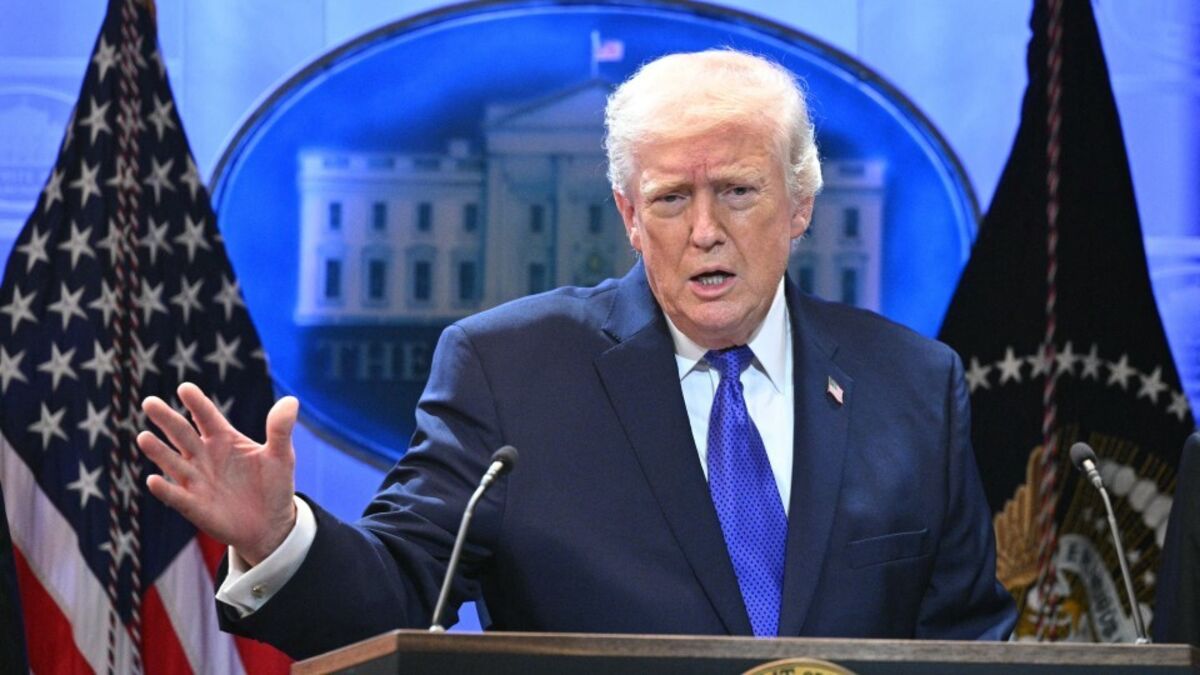
President Trump just threw a major curveball into the trade policy game. At a White House press conference, he announced a sweeping 10% global tariff, sending shockwaves through the market. This isn't just a minor tweak. It adds to the existing tariffs under Section 232 and Section 301, which are already in place to address national security concerns and trade imbalances.
What Does This Mean for Trade Relations?
This new tariff hits at a time when the world is still reeling from pandemic-induced supply chain disruptions. Countries that rely heavily on exports to the U.S. are now bracing for a new financial reality. A 10% levy may seem modest, but for nations like China and Mexico, it could mean a loss of billions in trade revenue. The implications for U.S. companies that depend on these imports could be dire. Higher costs will inevitably trickle down to consumers, leading to increased prices for everyday goods.
When Trump talks about national security, he often uses it as a justification for his tariffs. But what happens when this logic extends to every corner of international trade? It creates a climate of uncertainty. Allies could find themselves at odds with the U.S., ultimately weakening long-standing trade relationships. In short, instead of fostering cooperation, this approach might push countries further into protective stances.
Winners and Losers in the Domestic Market
As expected, some sectors might feel the pinch more than others. American manufacturers could win in theory. Tariffs can provide a competitive edge, allowing domestic producers to raise prices without fear of foreign competition. Steel and aluminum producers might see a surge, but what about consumers? The reality is that the everyday American shopper will likely suffer. With the cost of goods on the rise, families will face tighter budgets.
More alarming is how this could affect inflation. The Federal Reserve is already walking a tightrope between stimulating the economy and controlling rising prices. The introduction of a new broad tariff just adds another layer of complexity to their already challenging task. If inflation continues to climb, the Fed may have no choice but to raise interest rates sooner than expected, which could stall economic recovery.
The Long-Term Impact on U.S. Economy
This isn't just a short-term play. Trump's tariffs could have long-lasting effects on the U.S. economy. Businesses thrive on predictability. If companies feel uncertain about future trade policies, they may delay investments or expansion plans. This hesitation could stifle job growth and economic innovation in the long run. It’s ironic that while claiming to protect American jobs, these tariffs could ultimately do the opposite.
Investors need to keep a keen eye on sectors most affected by these tariffs. Retail, automotive, and technology industries rely heavily on imported materials. As these sectors adjust to higher costs, it may lead to reduced profits and lower stock prices. The stock market, already on edge, might react negatively, compounding the unease surrounding economic stability.
Looking Ahead: A Shift in Policy?
This policy is more than just an economic decision. It’s a political maneuver that could have reverberating effects on how the U.S. is viewed globally. The next steps will be critical. If Trump’s administration continues down this path without a clear strategy, it won’t just be American consumers who feel the impact. The global economy could face significant upheaval.