Three Classic Mario Games Jump to Switch Online: A Retro Revival
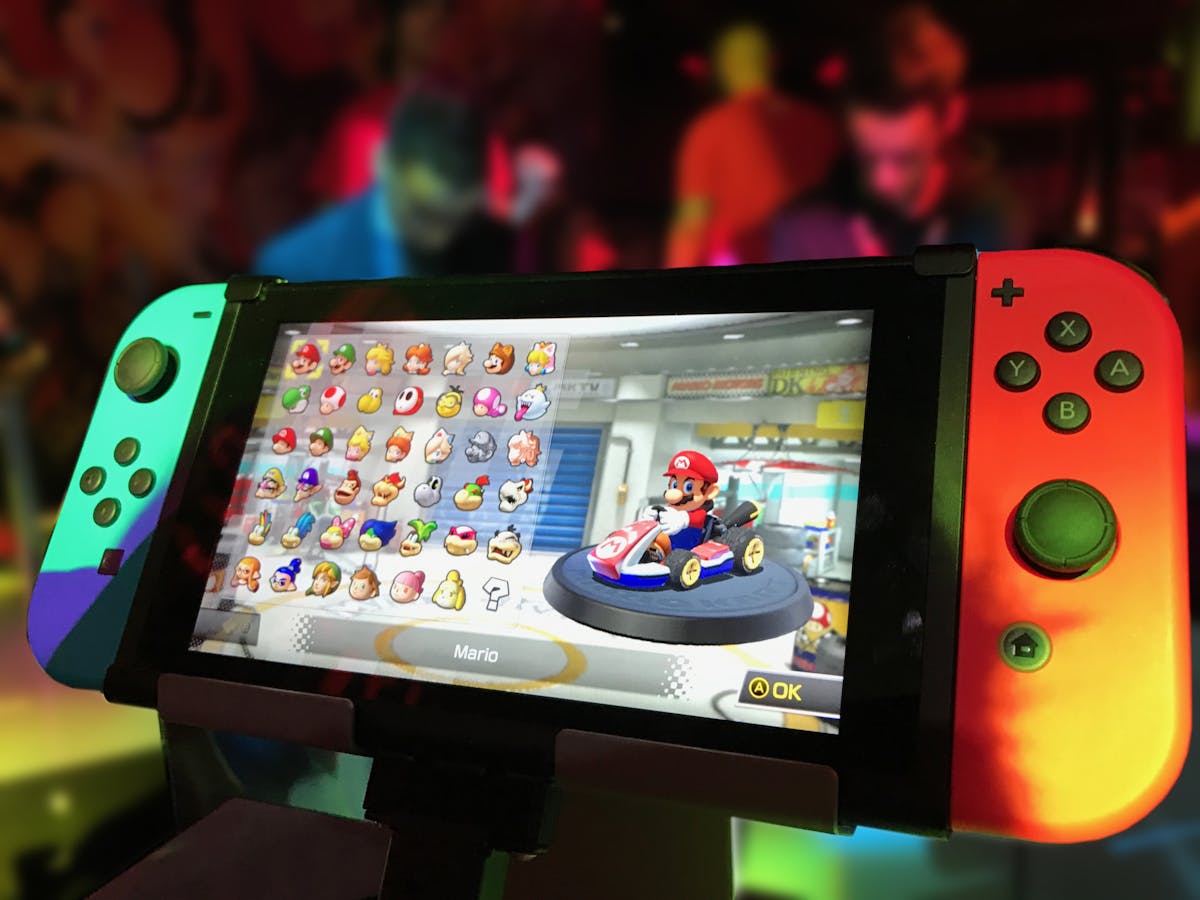
Nintendo is bringing three retro Mario games to the Switch Online roster just in time for Mario Day. This nostalgic move offers both excitement and questions about Nintendo's strategy.
Nintendo has made a bold move by reviving three retro Mario games for the Switch Online platform, tapping into nostalgia just in time for MAR10 Day. But is this a brilliant strategy or a sign of stagnation?
Nostalgia as a Strategy
March 10th, known by fans as Mario Day, has become an annual celebration for Nintendo enthusiasts. This year, Nintendo is set to release three retro games on the Switch Online platform. The titles include 'Mario’s Tennis' and 'Mario Clash' for the Virtual Boy app, alongside 'Mario Vs. Donkey Kong' for the Game Boy Advance. These games will be available exclusively to those with the Nintendo Switch Online + Expansion Pack plan.
Both Virtual Boy titles originally debuted in 1995. 'Mario Clash' brings a 3D twist to the classic 'Mario Bros.' arcade style, while 'Mario’s Tennis' is the progenitor of the Mario Tennis series. Meanwhile, 'Mario Vs. Donkey Kong' offers a charming puzzle-platforming experience. By adding these titles, Nintendo strengthens its retro game lineup, which already includes classics like '3D Tetris' and 'Virtual Boy Wario Land.'
Releasing these vintage games right before Mario Day is a strategic play. Nostalgia sells. Fans are drawn to the memories and experiences these games represent. But what does this mean for Nintendo's future? Are they relying too heavily on past successes?
Is the Past Holding Nintendo Back?
One could argue that Nintendo's revival of older titles might signal a lack of innovation. While nostalgia is powerful, it can also be limiting. How long can Nintendo keep rehashing its past before fans demand more original content?
The remastered 'Mario Vs. Donkey Kong' is already available on the Switch, which begs the question: why bring back the original? Is this merely a cash grab, or does it offer something distinct? With a $100 Virtual Boy replica or $25 cardboard headset needed to play, costs can add up quickly for fans eager to access these games.
Nintendo's strategy could be a double-edged sword. On one hand, it solidifies its position as a bastion of classic gaming. On the other, it risks alienating a younger audience seeking new and clever experiences. Can Mario truly bridge this generational divide?
The Verdict: A Temporary Fix or Lasting Impact?
Here's the thing. Nintendo's decision to bring these games back is clever on the surface. It leverages nostalgia effectively and draws attention during a period already associated with celebration. But is it enough to sustain interest long-term?
If Nintendo continues to rely on its legacy without evolving, the luster of these re-releases could fade. Investors and fans may begin questioning the company's direction. Nintendo needs to balance its heritage with forward-thinking innovation to maintain its dominant position in the gaming industry.
Overall, these additions are a welcome nod to the past. Yet, they also highlight an underlying challenge for Nintendo: keeping nostalgia fresh while pushing the envelope in gaming innovation. it's not speculation. it's arithmetic. The future of gaming demands both respect for origins and a bold leap into the unknown.