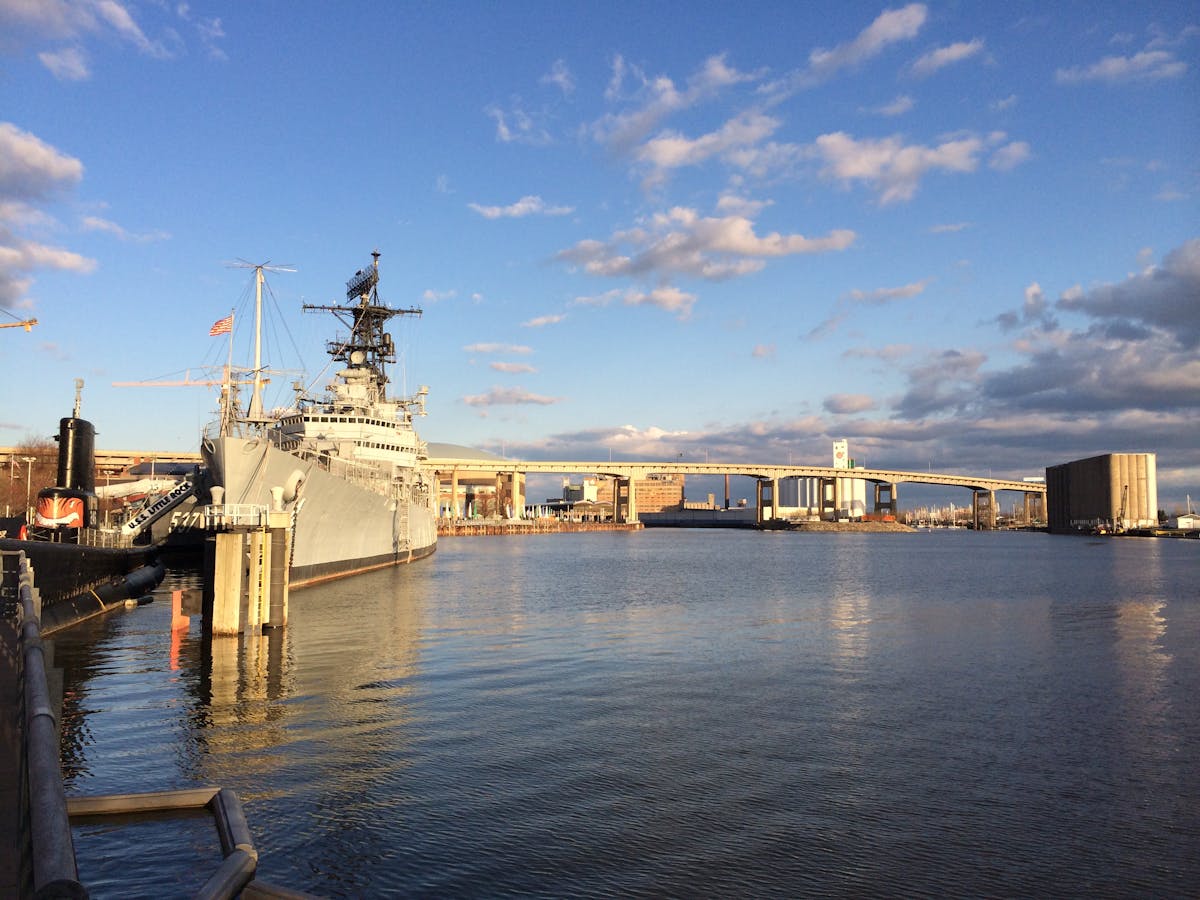
The Navy's Autonomous Revolution: From Crew-Heavy Destroyers to Sailor-Free Ships
The U.S. Navy is turning to smaller, autonomous ships, moving away from traditional manned destroyers. This shift redefines naval strategy and could ripple through the defense and tech sectors.
The winds of change are sweeping through naval corridors as the U.S. Navy embraces a new mantra: smaller, swifter, and increasingly autonomous. While the Arleigh Burke-class guided missile destroyer has long stood as the symbol of naval might, it's now being joined by a new generation of robotic warships. These unmanned vessels not only challenge traditional naval strategy but also herald a shift with potential implications across industries, including crypto.
Changing Tides in Naval Strategy
The Arleigh Burke-class destroyer, a 505-foot behemoth powered by four GE Aerospace gas turbines and laden with vertical launch system missiles, has dominated the seas. Constructed by defense titans General Dynamics and Huntington Ingalls, each vessel in the fleet of 98 requires a crew exceeding 280. However, building these giants is no sprint. it takes five to six years per hull.
Contrast this with the Navy's newest offerings: compact, unmanned ships that spring from blueprint to water in under a year. These robotic vessels require no crew, pointing to a substantial transformation in naval operations. But what lies beneath this shift? The macro backdrop suggests a strategic pivot toward cost efficiency and technological prowess.
Winners and Losers in the Defense Industry
As the Navy's focus shifts, so does the balance of power among defense contractors. General Dynamics and Huntington Ingalls, deeply entrenched in the production of manned destroyers, face a new landscape where agility and innovation reign supreme. The question arises: can these giants adapt to a world that favors nimble, tech-driven solutions?
New players, particularly those specializing in AI and automation, could seize this moment. Companies at the forefront of autonomous technology might find themselves in the Navy's crosshairs. This isn't just a military conundrum. It's a cross-asset story that pits traditional shipbuilders against emerging tech firms, each vying for naval dollars.
Ripple Effects in Crypto and Beyond
What does this naval evolution mean for the world of crypto? On the surface, there appears to be little direct connection. Yet, zoom out further and the picture broadens. Autonomous vessels embody the broader technological shift that favors decentralization and innovation, principles that resonate with crypto.
As the military invests in advanced tech, we may see increased demand for blockchain solutions that ensure secure communications and data integrity. Moreover, as the defense sector reallocates resources, there could be a trickle-down effect on how capital flows into tech-heavy investment vehicles, including crypto. In periods of technological transition, risk appetite often swells for assets perceived as future-forward.
Strategic Implications
Ultimately, this isn't just about new ships in the water. It's about redefining what it means to wield power. As the Navy reduces its human footprint, it rethinks how to project strength. Will this shift make the seas more peaceful, or invite new kinds of conflict? The answers are far from clear.
For investors, contractors, and technologists, this naval transformation represents both a challenge and an opportunity. Who will lead the charge in autonomous navigation? Which companies will find a way to integrate blockchain into defense? The answers will shape the economic mosaic of the future.
As the Navy sails into uncharted waters, the ripple effects could very well influence sectors far beyond defense. In an era of rapid technological advancement, the ability to adapt isn't just an asset. It's a necessity.